Flood watch, flash flood warnings remain in Apache County through July 21
Wide Ruins, Steamboat Canyon and roads south of Wide Ruins faced the sharpest flash-flood danger as Apache County stayed under watch through July 21.
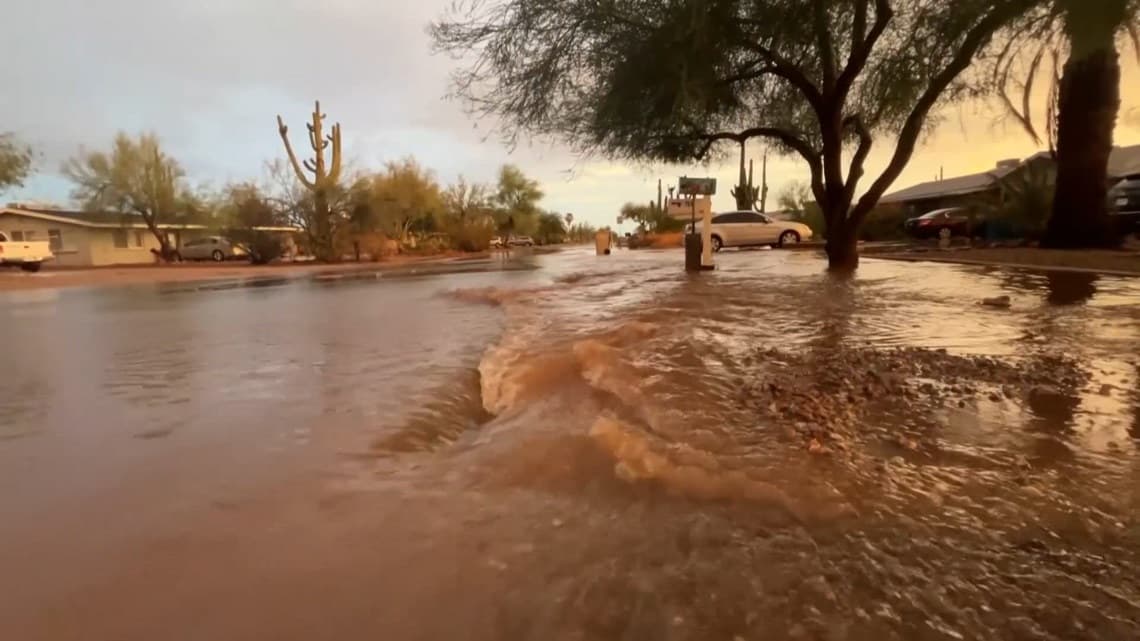
Roads south of Wide Ruins near milepost 389 were under threat as a flood watch remained in effect across central and southern Apache County, with life-threatening flash flooding possible through July 21. The highest risk centered on Wide Ruins, Steamboat and Steamboat Canyon, where storms kept sending dangerous runoff into washes, roads and low-lying neighborhoods.
The National Weather Service in Flagstaff issued Flash Flood Warnings as the rain band moved across northeastern Arizona. A Flash Flood Warning for Apache County ran from 6:21 p.m. MST on July 17 until 9:15 p.m. MST, and another warning on July 19 was issued at 1:04 p.m. MST after Doppler radar showed thunderstorms producing heavy rain. That July 19 warning said 0.5 to 2 inches of rain had already fallen and another 0.5 to 1 inch could fall, a combination that can quickly overwhelm dry washes and dirt roads. Severe Thunderstorm Warnings followed on July 20, one from 7:25 p.m. MST to 8:00 p.m. MST and another covering Apache and Navajo counties from 7:57 p.m. MST to 8:30 p.m. MST.
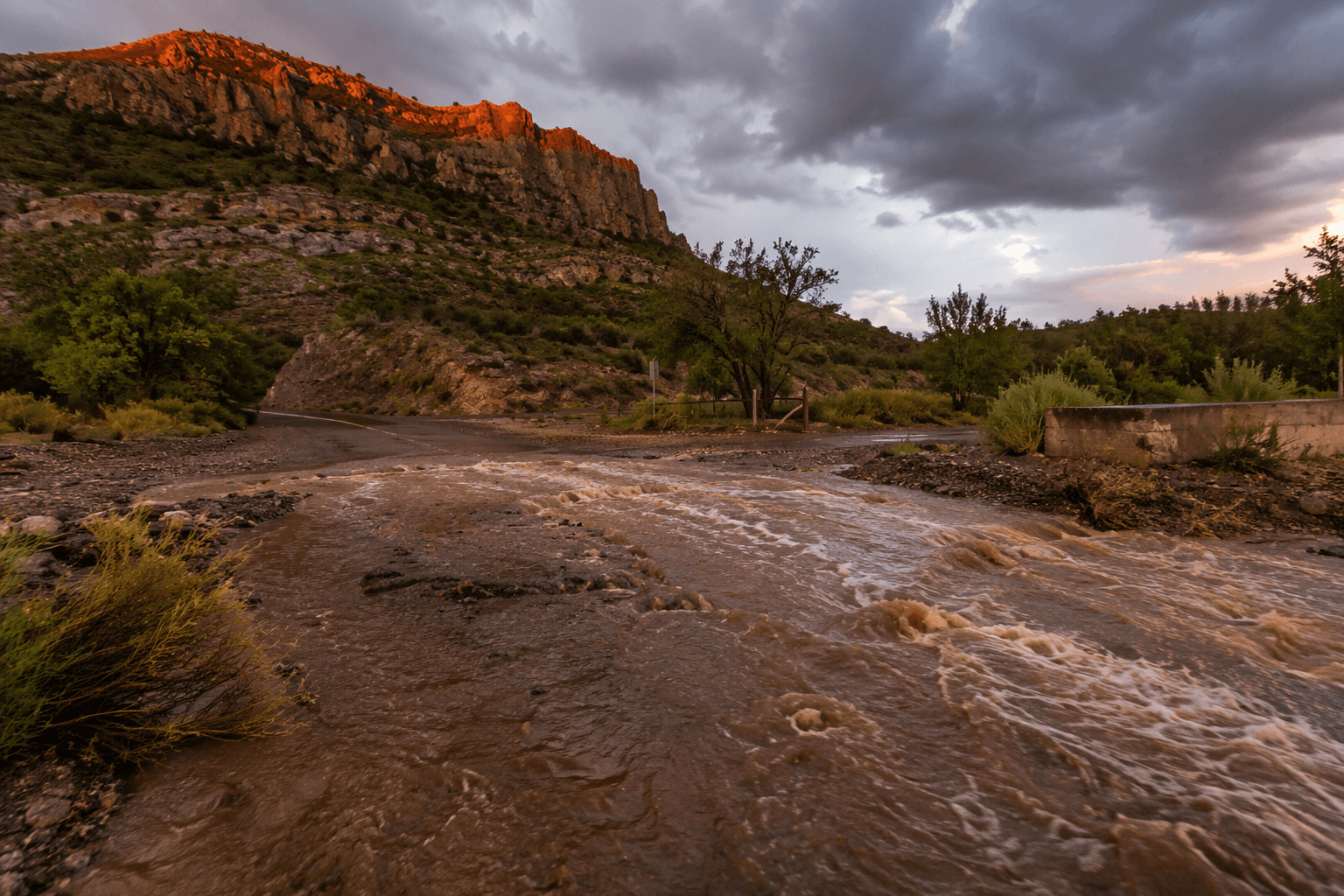
Apache County is especially exposed because so much of it is rural, remote and laced with washes and low-water crossings. The county includes White Mountain Apache tribal lands and portions of the Navajo Nation, where long stretches of road can run through canyons or across dry channels that fill without warning when thunderstorms stall. In that kind of setup, a storm that starts as a hard rain can turn into a road closure, a stranded vehicle or a rescue call before conditions improve.
Arizona’s monsoon season typically runs from June 15 through Sept. 30, and late June into July is when winds shift and storms can build fast over the state’s higher terrain. That pattern has a history of producing serious flash flooding in Arizona, including road closures and water rescues during past monsoon events.
This article was produced by Prism’s automated news system from verified source data, official records, and press releases, then run through automated quality and moderation checks before publishing. The system is built and supervised by the people who set the standards it runs under. Read our full AI policy.
Did this article answer your question?