Chaco land withdrawal revocation reignites Navajo debate over sovereignty, development
A 336,404-acre Chaco decision and a county cemetery bill are forcing Navajo leaders to weigh mineral control, burial needs and sovereignty across eastern Arizona.
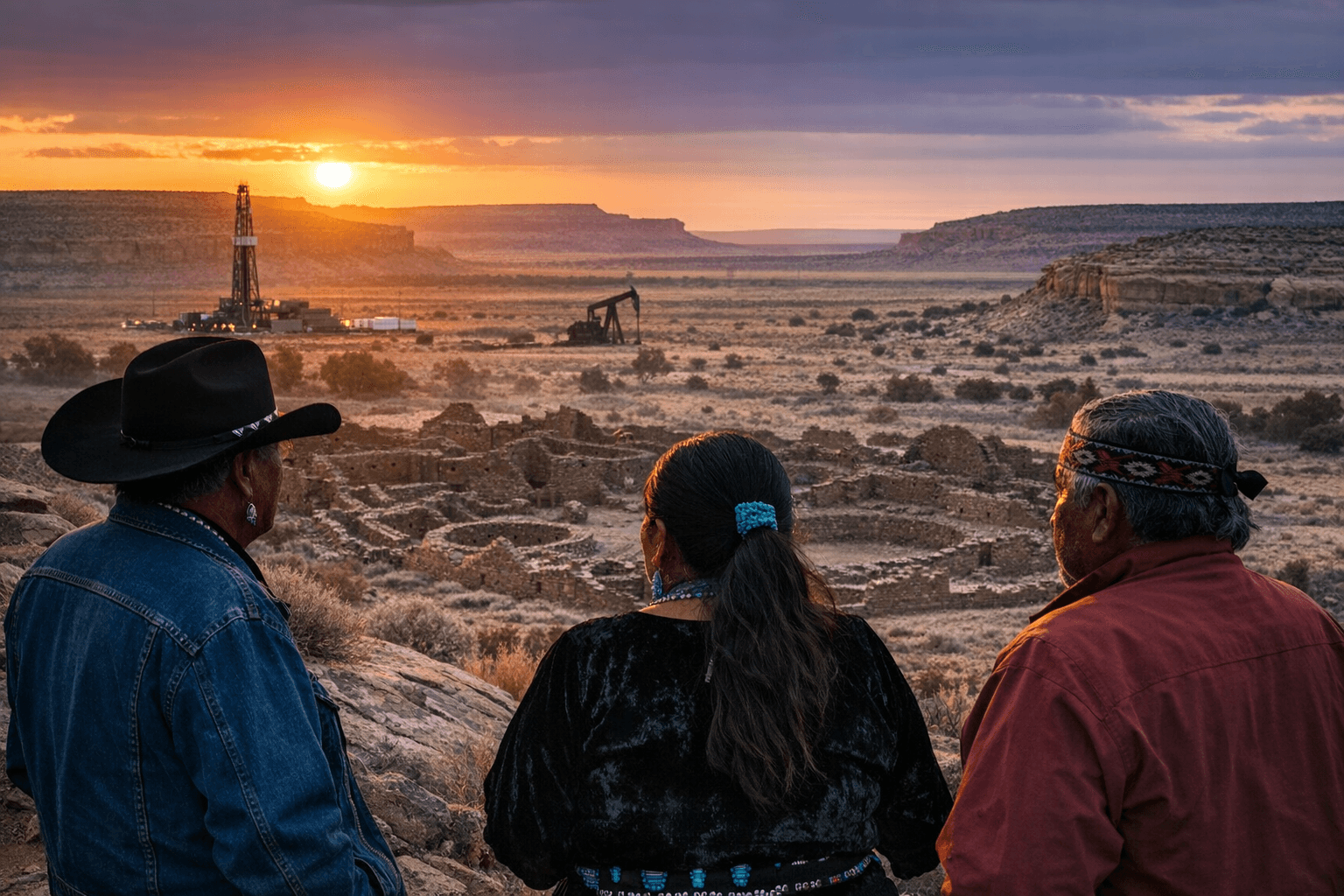
A move to reopen 336,404.42 acres around Chaco Culture National Historical Park to mineral leasing has sharpened a Navajo fight over who controls land, minerals and development, while a separate cemetery-conveyance bill is stirring fear in Apache County’s checkerboard region that federal land could be shifted away from local control.
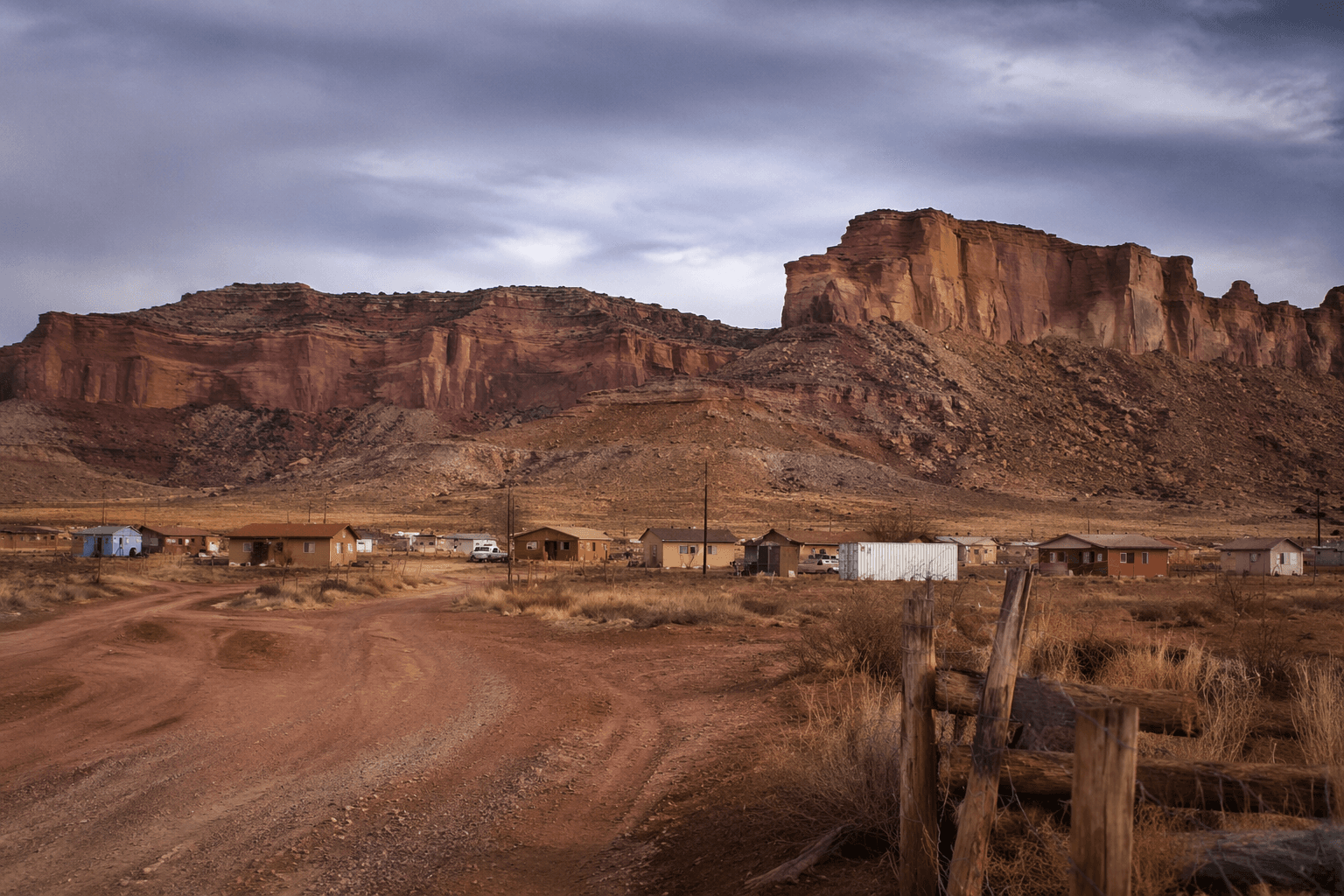
The split is visible inside Navajo communities closest to the issue. One Navajo allottee and chapter president supported the change, seeing an opening for development, while a former Navajo council delegate who has spent decades opposing oil and gas expansion in eastern Navajo communities warned that reversing the protections could strip away cultural and environmental safeguards. The dispute reaches beyond ideology. It goes to whether local families keep leverage over grazing, homesites, leases and the pace of outside development.
Public Land Order No. 7923, signed by Interior Secretary Deb Haaland on June 2, 2023, withdrew public lands within a roughly 10-mile buffer around Chaco for 20 years. The order covered land in San Juan, Sandoval and McKinley counties and was aimed at protecting more than 4,700 documented sites in the Greater Chaco region. Bureau of Land Management materials say revoking the withdrawal would restore discretion over mineral leasing and reopen the land to location and entry under U.S. mining laws. The department had described the withdrawal as protection for a connected landscape with a rich Puebloan, Tribal Nation and cultural legacy.
The stakes are not abstract. Chaco Culture National Historical Park was established in 1980 and contains some 4,000 recorded archaeological sites. The park and nearby sites were designated a UNESCO World Heritage Site in 1987, and the canyon was a regional center of ancestral Pueblo life from about AD 850 to 1250. The National Park Service places the broader Chaco landscape within a 50,000-square-mile area of influence, a reminder of how far the policy fight extends beyond one park boundary.
In Apache County, the pressure is also showing up in Congress. H.R. 1829, the Apache County and Navajo County Conveyance Act of 2025, was introduced in the House on March 4, 2025, and would require the Agriculture secretary to convey specific parcels in the Apache-Sitgreaves National Forests for cemetery expansion. The bill includes the Existing Alpine Cemetery and Proposed Townsite Tract, and references the Pinedale Cemetery Expansion map dated May 23, 2022. House committee materials say the Alpine and Pinedale cemeteries are running out of space.
Together, the Chaco fight and the cemetery bill underline a single Navajo reality: in eastern Arizona and northwest New Mexico, land decisions made in Washington can reshape who governs, who builds, who buries their dead and who still holds the final word.
This article was produced by Prism’s automated news system from verified source data, official records, and press releases, then run through automated quality and moderation checks before publishing. The system is built and supervised by the people who set the standards it runs under. Read our full AI policy.
Did this article answer your question?