Curley reflects on unfinished work, warns Navajo Nation must plan ahead
Curley leaves office with billions still being spent and water projects still unfinished, a shift Apache County will feel long after her term.
Speaker Crystalyne Curley is closing her second term with a ledger still full of unfinished business, and that is how she says her work should be measured. First elected speaker on Jan. 23, 2023, and re-elected on Jan. 27, 2025, Curley is the first woman to hold the post, but her own accounting of the job has centered less on symbolism than on whether projects actually reach homes in Window Rock, Fish Point and other Apache County communities.
The biggest test was money. The Navajo Nation received about $1.86 billion in ARPA and Fiscal Recovery Funds, then moved in June 2024 to obligate those dollars before federal deadlines forced the issue. Later Nation communications described the total as approximately $2 billion, with about $210 million set aside for regional expenditure plans and $521.8 million placed into a Revenue Replacement Reserve to help leverage borrowing for infrastructure. That is a major shift on paper, but it also shows how much of Curley’s term was spent turning temporary relief into long-term capital decisions rather than into finished projects visible on the ground.
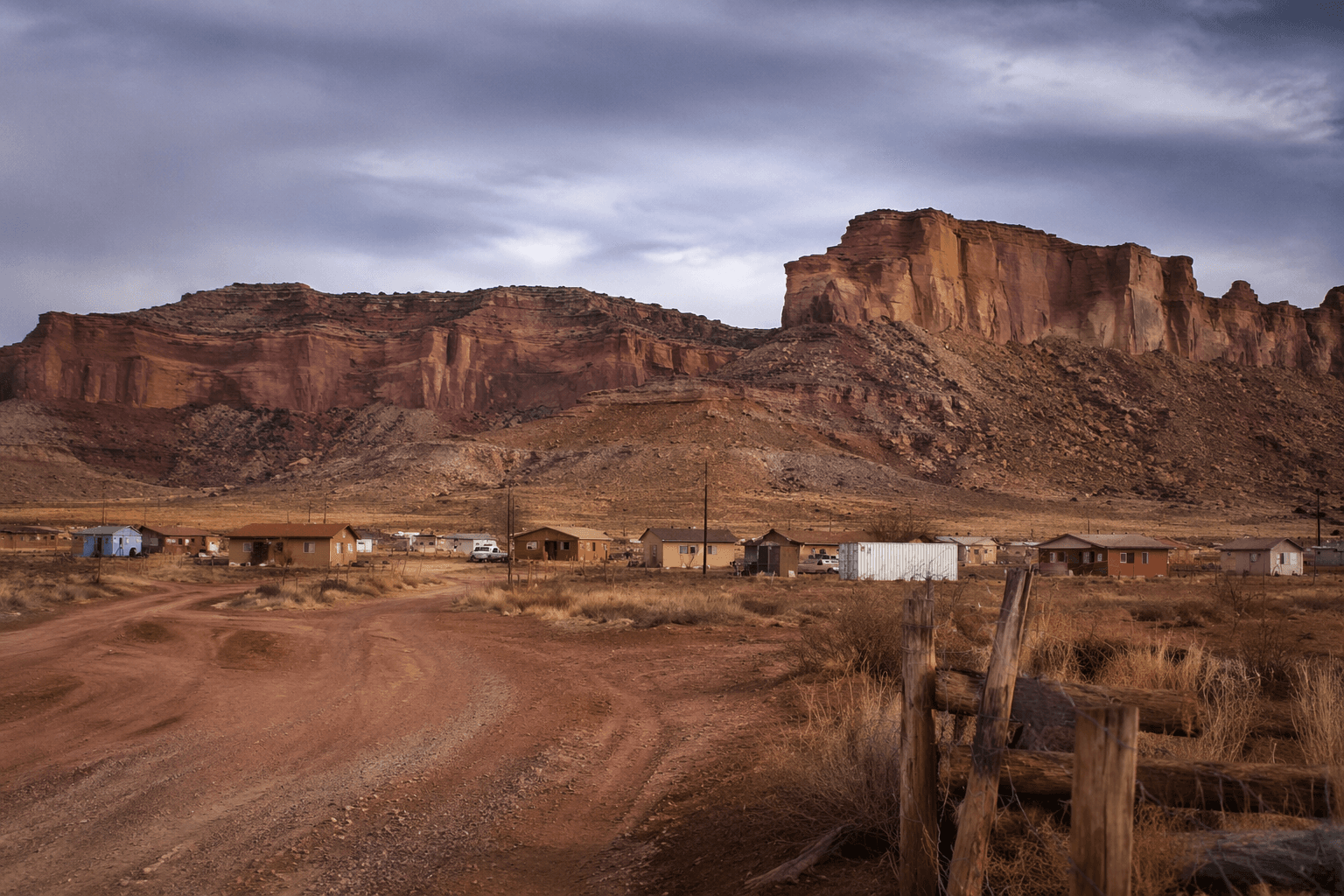
Curley has said her top priority is people who lack transportation, water and utilities and who live far off the highway. That focus lands directly in Apache County, where basic services remain uneven and where many Navajo households still face long trips for water, school, work and health care. Johns Hopkins Center for Indigenous Health and Navajo Area Indian Health Service have been working to identify homes on the Navajo Nation that still lack piped water and wastewater service, a reminder that the infrastructure gap is not abstract. Earlier estimates put the share of households facing water-access gaps anywhere from 15% to 40% before better data collection began.
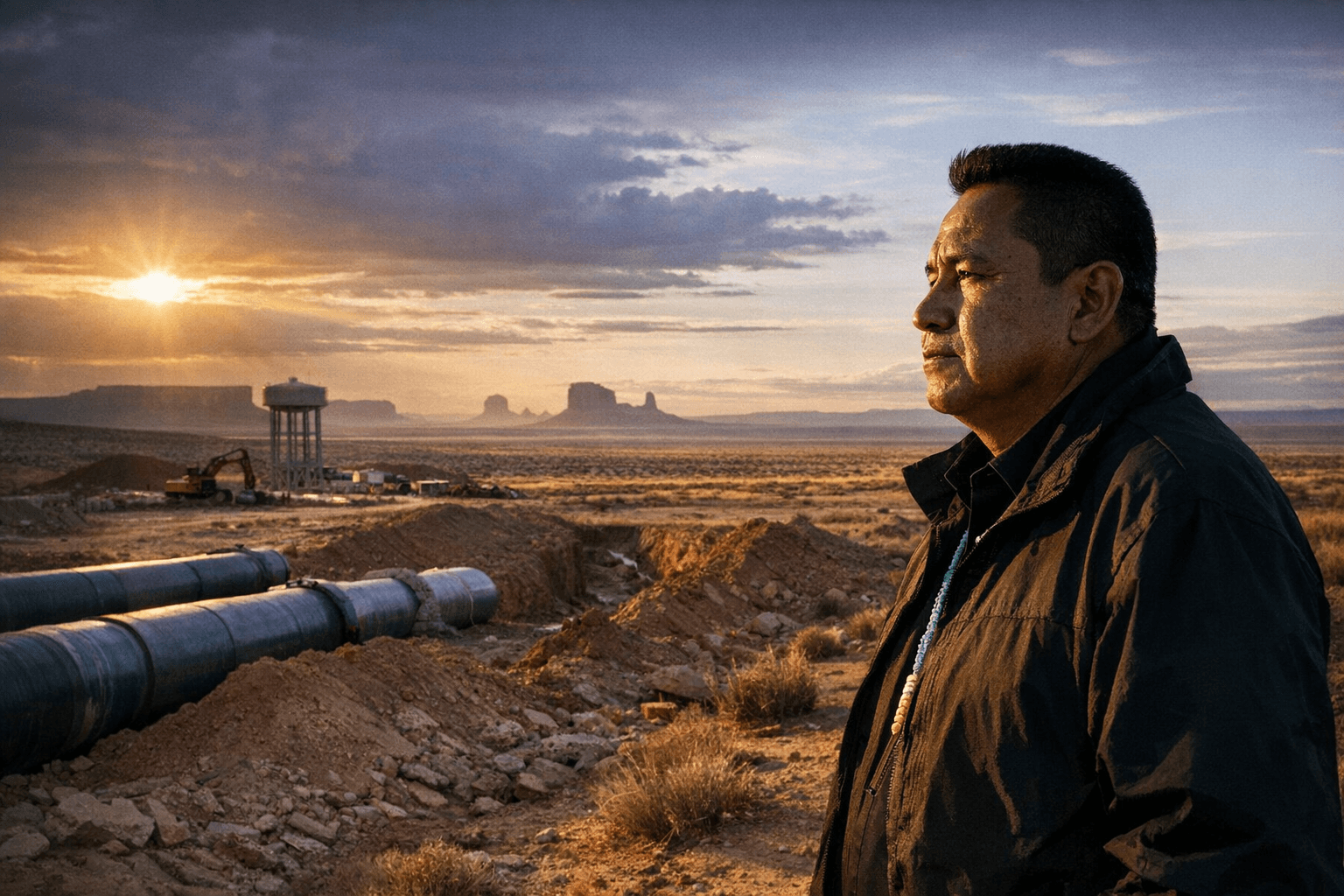
Water rights work also remains unfinished. The Navajo-Gallup Water Supply Project is designed as a roughly 300-mile pipeline system with at least 19 pumping plants and two water treatment plants. The Utah-Navajo Nation Water Rights Settlement Interlocutory Decree confirmed an allocation of 81,500 acre-feet per year, and Curley’s office kept the Rio San José Stream System Water Rights Settlement Agreement and the Northeastern Arizona Indian Water Rights Settlement on its list of continuing priorities in 2025. Those efforts matter because they tie legal rights to the physical systems needed to deliver water.
Curley’s term showed the limits of legislative power as much as its reach. Budgets, borrowing plans and settlement talks can be approved in Window Rock, but the results still depend on cooperation across the Navajo Nation’s branches of government. For Apache County, the unfinished work now passes to the next speaker, with water, infrastructure and long-range revenue planning still waiting to be completed.
This article was produced by Prism’s automated news system from verified source data, official records, and press releases, then run through automated quality and moderation checks before publishing. The system is built and supervised by the people who set the standards it runs under. Read our full AI policy.
Did this article answer your question?