Energy Transfer approves 120-mile pipeline to fuel Springerville gas conversion
A 120-mile gas line could help replace Springerville’s coal units, with 625 MMcf/d of capacity tied to 20-year contracts and a 2029 target.
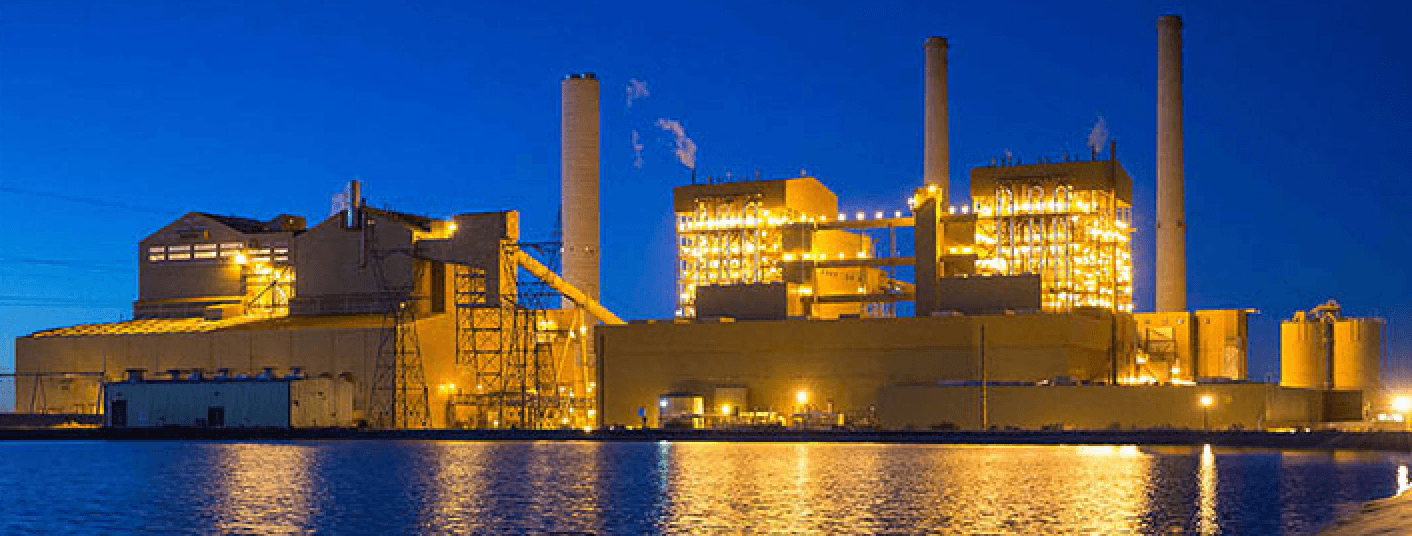
Energy Transfer has approved a 120-mile pipeline that would send natural gas south from its existing Transwestern system toward Springerville, pushing forward one of the biggest infrastructure shifts eastern Arizona has seen in years. The Springerville Lateral is designed as a 30-inch line with about 625 million cubic feet per day of capacity, backed by 20-year contracts and about $600 million in expected capital spending, with service targeted for the fourth quarter of 2029.
The project is tied directly to the coal-to-gas conversion of the Springerville Generating Station in Apache County. Tucson Electric Power plans to convert Units 1 and 2 to run on natural gas by 2030, while Salt River Project has approved converting Springerville Unit 4. The Arizona Corporation Commission voted unanimously on March 4, 2026, to approve conversions of the Springerville and Coronado coal generating stations to natural gas, a decision that put regulators squarely behind the region’s transition away from coal.
For Apache County households, the stakes are practical. SRP says the Springerville Unit 4 conversion is the lowest-cost option to preserve about 400 to 430 megawatts of firm capacity, enough to serve about 90,000 homes. SRP also says its peak demand is expected to rise 50% from 2025 through 2035, a forecast that helps explain why utilities are racing to lock in new fuel supplies and keep large power plants running around the clock.
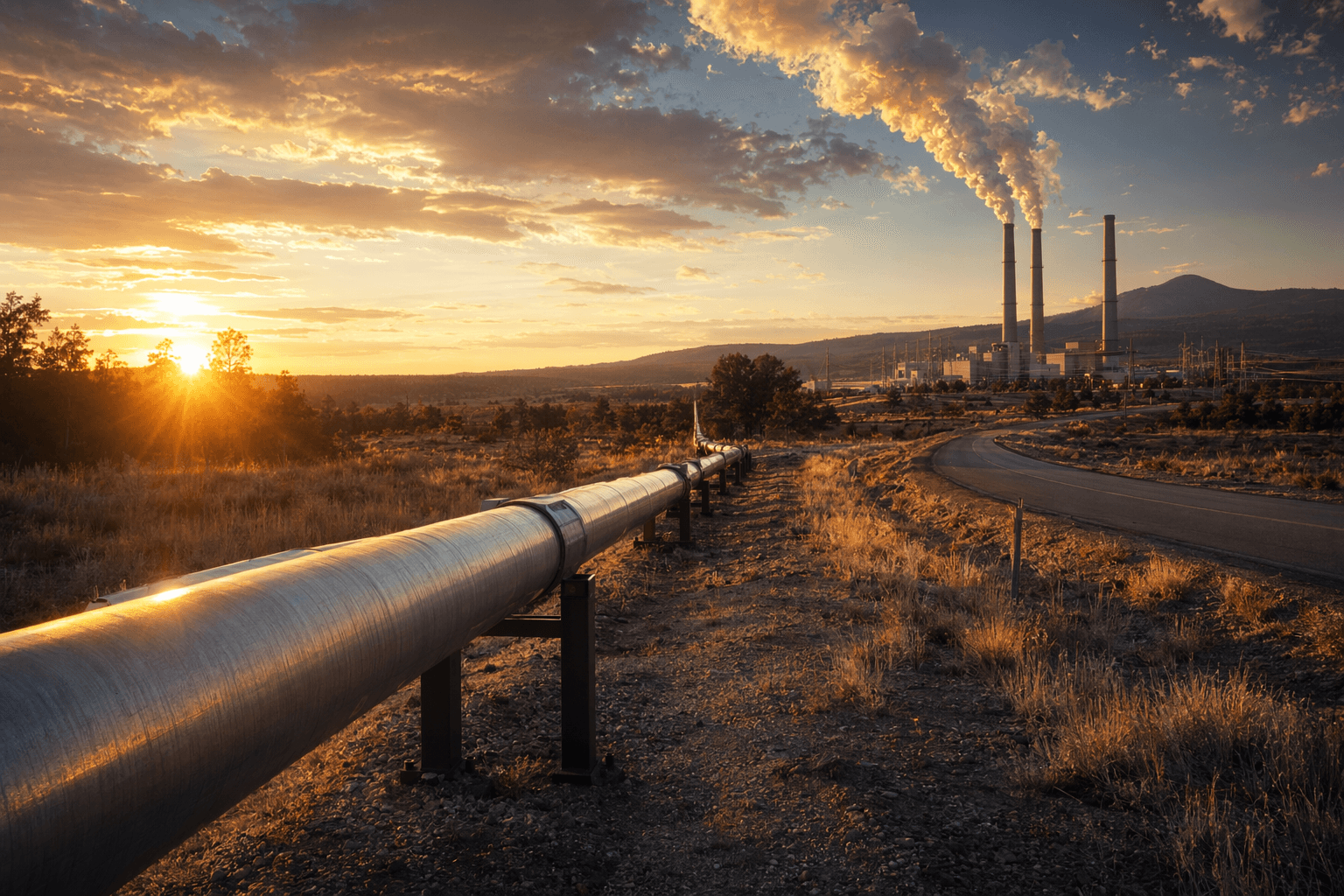
Energy Transfer says the pipeline fits into its broader Desert Southwest expansion, which is aimed at increasing natural gas supply to Arizona and New Mexico. The company says the buildout is being driven by population growth, high-tech industry demand and data center expansion, forces that are reshaping electricity planning from Apache County to Phoenix. In that context, the Springerville line is more than a single project. It is part of a larger bet that gas will remain the backbone of regional power supply as electricity use climbs.
TEP says the conversions are intended to maintain reliable, around-the-clock service, reduce carbon emissions and support local jobs. For Springerville and nearby communities, that means the coal era is not ending all at once, but it is being refitted piece by piece, with the pipeline, the plant conversions and the commission’s approval now moving the region toward a different energy future by the end of the decade.
This article was produced by Prism’s automated news system from verified source data, official records, and press releases, then run through automated quality and moderation checks before publishing. The system is built and supervised by the people who set the standards it runs under. Read our full AI policy.
Did this article answer your question?