Heber herd under pressure as new episode probes land-health concerns
A new episode centers on Jackie Hughes and a herd capped at 50 to 104 horses. The question now is whether the Heber range can absorb the pressure.
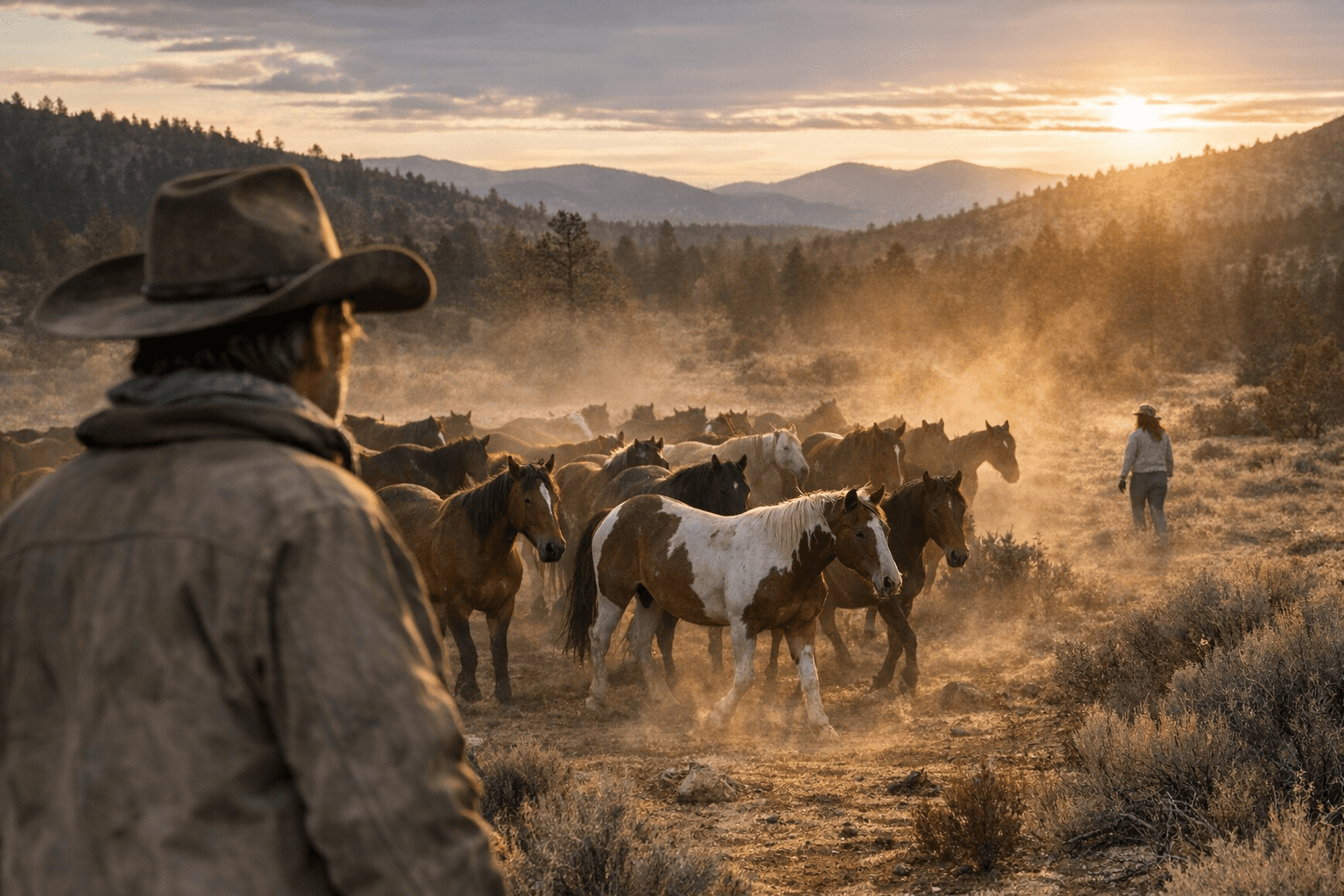
The Heber herd is no longer being framed as a scenic symbol of the White Mountains. It is now a test of how much pressure an approximately 20,000-acre range south of Heber-Overgaard can take before land health, livestock conflict and federal enforcement force a reset.
Mountain Daily Star’s April 15 preview of its Free-Roaming Arizona Horse Series said the next episode pivots to the Heber Wild Horse Territory and the ground conditions those horses depend on in northeastern Arizona. The episode is built around an interview with federal contractor Jackie Hughes, who brings firsthand reporting on herd counts, habitat conditions and the strain affecting both the horses and the landscape. The reporting moves away from history and toward the present: what is changing on the range, who is responsible, and how long the current situation can hold.
That matters in Apache County because the Heber herd sits inside a much bigger land-management fight. The Apache-Sitgreaves National Forests cover about 2 million acres, and the Heber Wild Horse Territory lies south of Heber-Overgaard, west and south of Highway 260, in portions of Navajo and Coconino counties. The Forest Service’s decision notice for the territory set an appropriate management level of 50 to 104 horses, a tight range that underscores how limited the federal tolerance is for growth.
The debate has been building for years. Public scoping on the draft proposed action for the Heber Wild Horse Territory Management Plan began Feb. 14, 2020. A March 9, 2026 Forest Service letter said the agency had completed its analysis, but that analysis did not itself decide the horses’ legal status. Under the Wild Free-Roaming Horses and Burros Act of 1971, the responsible official must make that call.
Federal managers also say the Heber horses did not migrate from the Heber territory onto the Apache National Forest, and the agency says it is planning the removal of unauthorized livestock across the Apache-Sitgreaves. That puts the Heber case inside a broader question about who controls the range, how grazing pressure is measured, and whether federal land can sustain competing uses over time.
The stakes turned violent in January, when nine horses were found shot dead on the Black Mesa Ranger District. The Forest Service offered a $5,000 reward for information, and Friends of the Heber Wild Horses added another $5,000. KNAU has reported that the string of unsolved horse killings in the area dates to 2018.
The Forest Service says its wider wild horse and burro program manages about 7,100 wild horses and 900 burros across 53 territories on about 2.5 million acres in nine states. For Apache County readers, Heber has become a precedent-setting fight over land health, enforcement and local identity in the White Mountains.
This article was produced by Prism’s automated news system from verified source data, official records, and press releases, then run through automated quality and moderation checks before publishing. The system is built and supervised by the people who set the standards it runs under. Read our full AI policy.
Did this article answer your question?