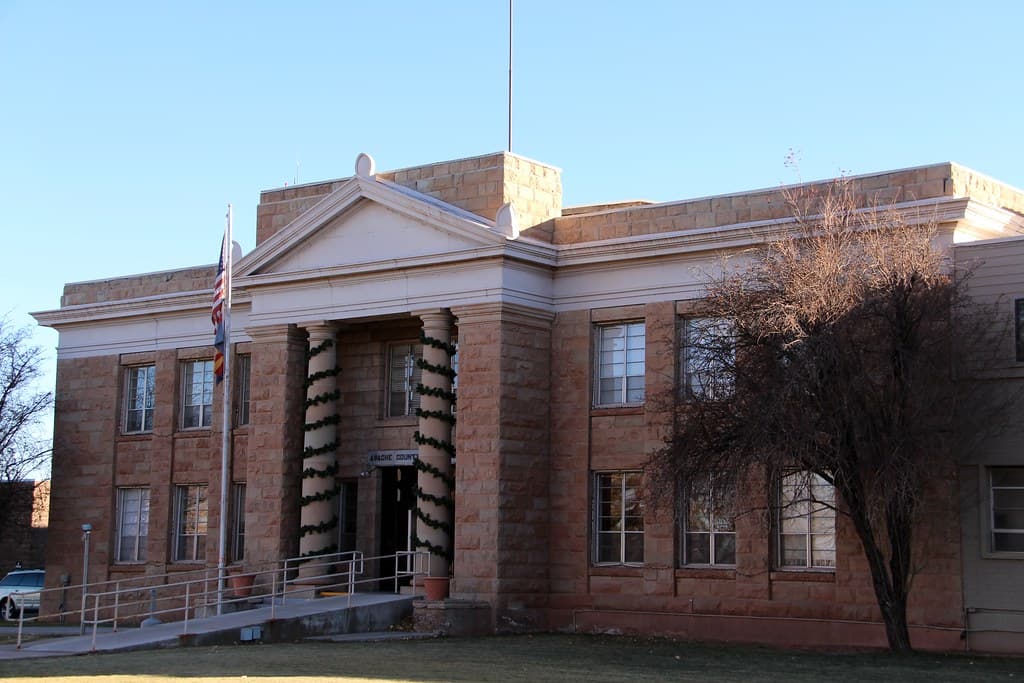
Navajo Nation advances rights-of-way bill affecting Apache County energy projects
A Navajo Nation committee moved a bill that could decide who signs off on power-line rights-of-way crossing Apache County, shaping project timing, revenue and landowner payments.
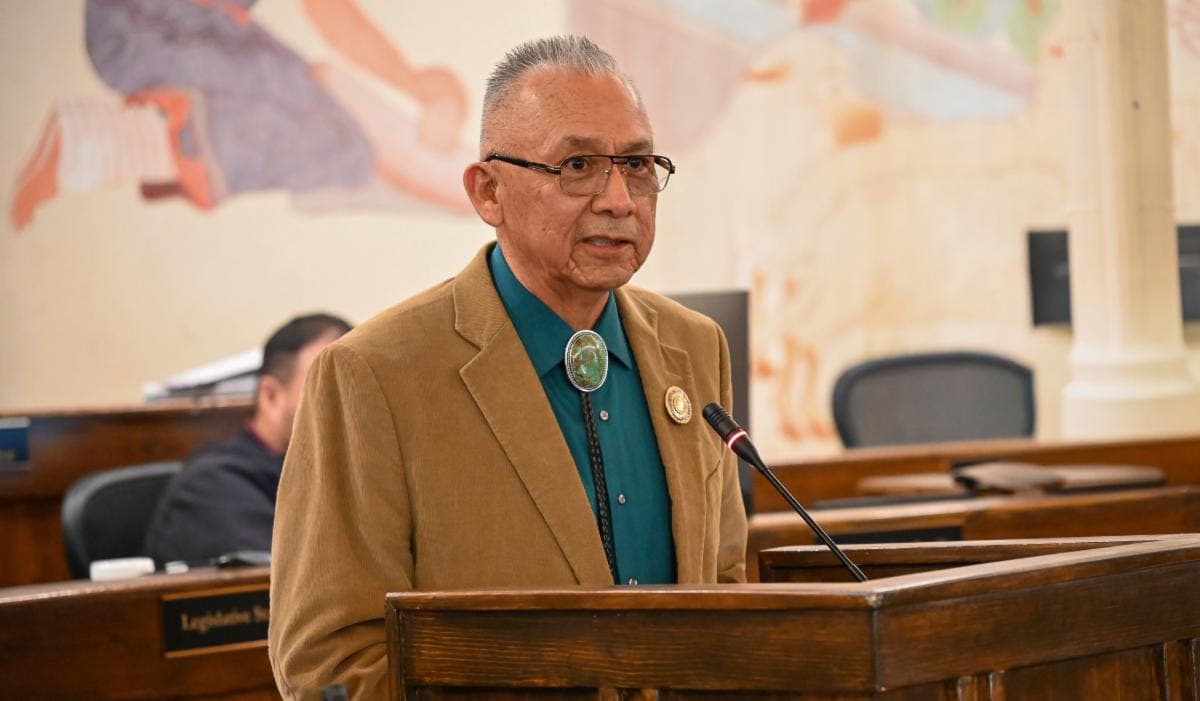
A Navajo Nation committee vote could decide who controls the next round of energy rights-of-way crossing Apache County, and how quickly projects tied to the Four Corners corridor can move. The Naabik’íyáti’ Committee advanced Legislation No. 0105-26 on June 11, a measure that would let the Resources and Development Committee approve amendments to rights-of-way already covered by CF-08-11, ratify earlier rights-of-way resolutions tied to energy development agreements, and approve future rights-of-way for those agreements.
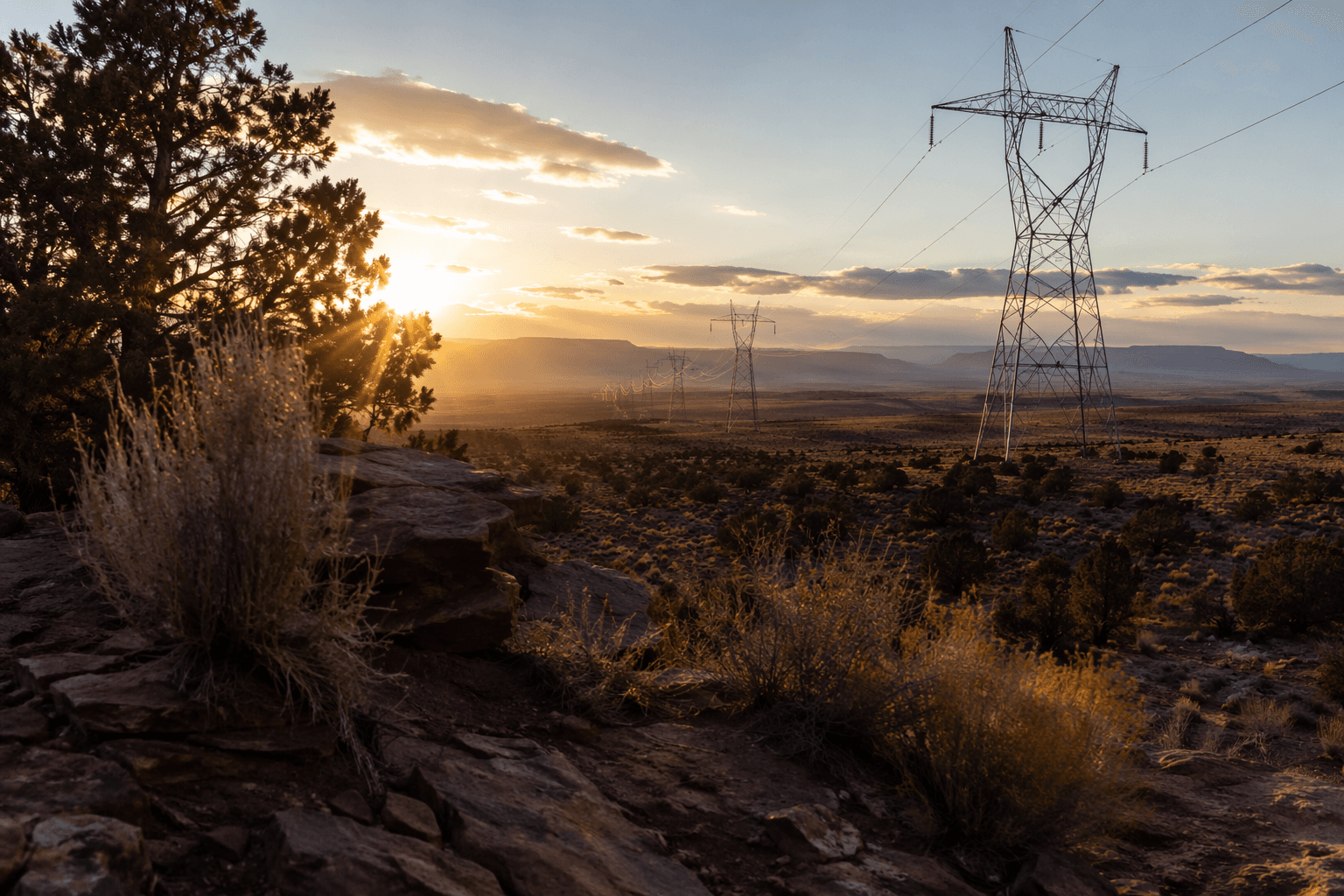
The bill reaches beyond procedure. CF-08-11 approved a right-of-way and lease for the Four Corners Power Plant, including transmission infrastructure crossing Navajo Nation communities, and the new legislation is meant to clarify who can act when those energy corridors need to be renewed or amended. For Apache County, that matters because the same lines and access routes that carry power also shape land use, infrastructure planning, construction jobs and the lease revenue that can flow from large projects crossing tribal lands.
Rickie Nez said the work followed three years of discussions with Navajo Transitional Energy Company and Arizona Public Service over renewing rights-of-way so operations at the Four Corners Power Plant could continue. Brenda Jesus said the goal was to align the bill with existing Navajo law while clarifying the intent of energy development agreements. The measure also ties directly to compensation for individual Indian landowners whose allotments are crossed by transmission lines, putting local land and household income into the same decision-making frame as utility-scale development.
Amber Kanazbah Crotty raised the main warning during the committee process: the bill does not define energy development agreements clearly enough, and rights-of-way resolutions could be challenged later if the language is not tightened. Nez responded that when CF-08-11 was approved in 2011, the Council understood both energy and mineral agreements to fall within that category. The Navajo Nation Legislative Branch said in its public-review packet that, without a definition, the validity of other Resources and Development Committee rights-of-way resolutions could be called into question.
The timing also fits a broader push to manage aging energy corridors across the region. A separate May 8 proposal, Legislation 0097-26, would extend APS’s right-of-way for Four Corners transmission lines across San Juan County, New Mexico, and Apache, Navajo and Coconino counties in Arizona, then reissue it from 2031 to 2066. That proposal also sought waivers of bond, insurance, due diligence and valuation requirements under federal right-of-way rules.
The Navajo Nation Council posted Legislation 0105-26 for public review on May 27 at 8:30 p.m., and final authority remains with the council. The question now is whether the Nation will make the approval process clearer and faster for energy developers, or whether the legal tightening will slow projects before new lines, leases and revenues can move across Apache County lands.
This article was produced by Prism’s automated news system from verified source data, official records, and press releases, then run through automated quality and moderation checks before publishing. The system is built and supervised by the people who set the standards it runs under. Read our full AI policy.
Know something we missed? Have a correction or additional information?
Submit a Tip