Navajo Nation Leaders Say SAVE America Act Would Burden Rural Voters
Navajo Nation Speaker Crystalyne Curley says the SAVE Act's citizenship-proof rule could force Apache County elders to make 100-mile-plus round trips just to register to vote.
Navajo Nation Council Speaker Crystalyne Curley publicly condemned the proposed SAVE America Act Thursday, warning that its in-person citizenship verification requirement would disqualify many Navajo voters by demanding documents that tribal IDs and Certificates of Indian Blood do not contain.
The federal bill, pending in Congress, would require voters to prove U.S. citizenship in person at a registration office before they can register. Curley said the most widely held tribal documents, including Navajo Nation IDs and Certificates of Indian Blood, frequently lack the birthplace or citizenship markers the bill's verification process would require, creating a documentary gap for eligible voters across the Nation.
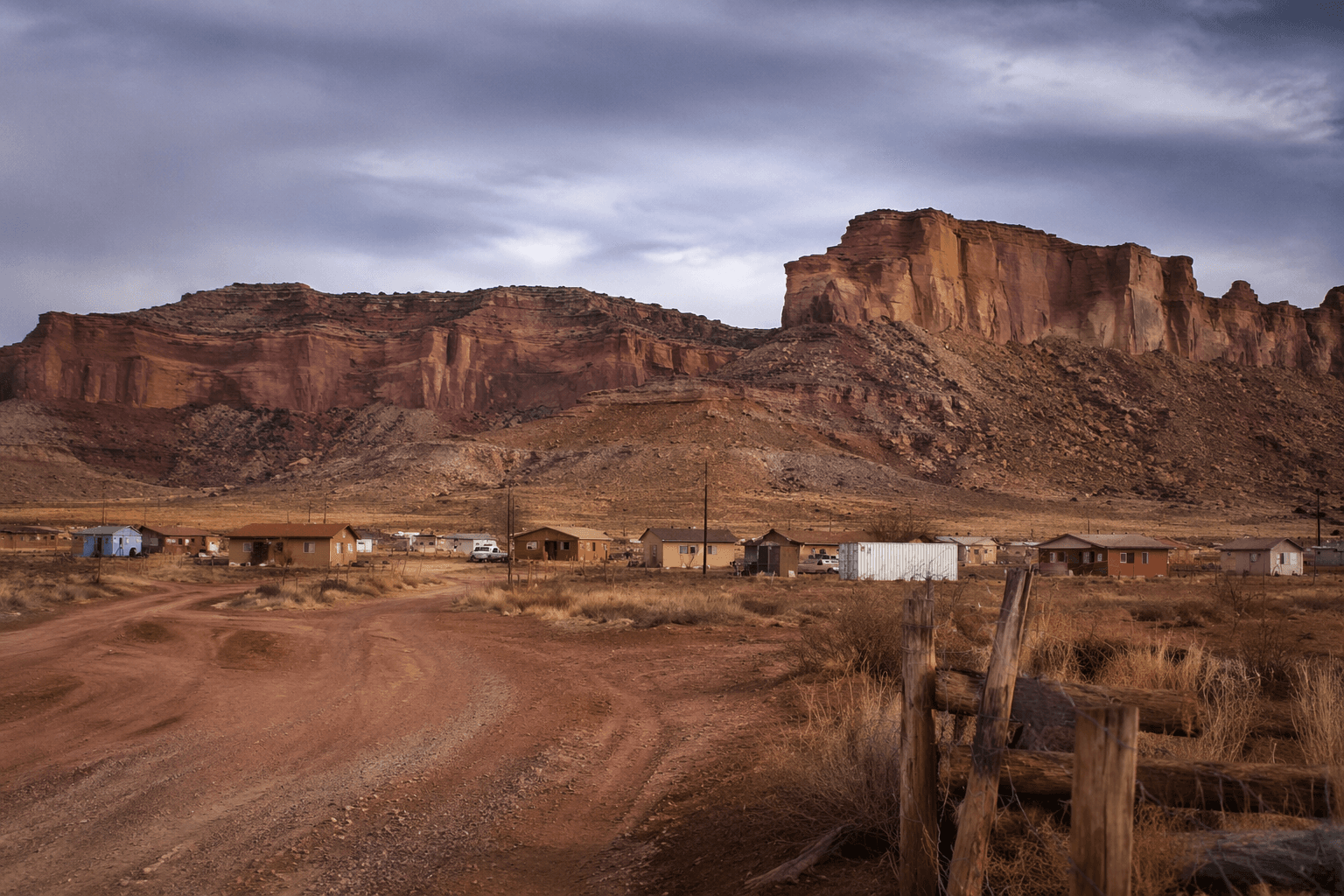
That gap carries a specific geographic weight in Apache County, where communities like Low Mountain and Chinle can sit more than 100 miles from the nearest state registration office. A single round trip already consumes most of a working day and significant out-of-pocket transportation cost. Under the SAVE Act, residents could face multiple such trips: one to verify citizenship and register, another to vote, with no guarantee their documentation would satisfy the new standard at each visit.
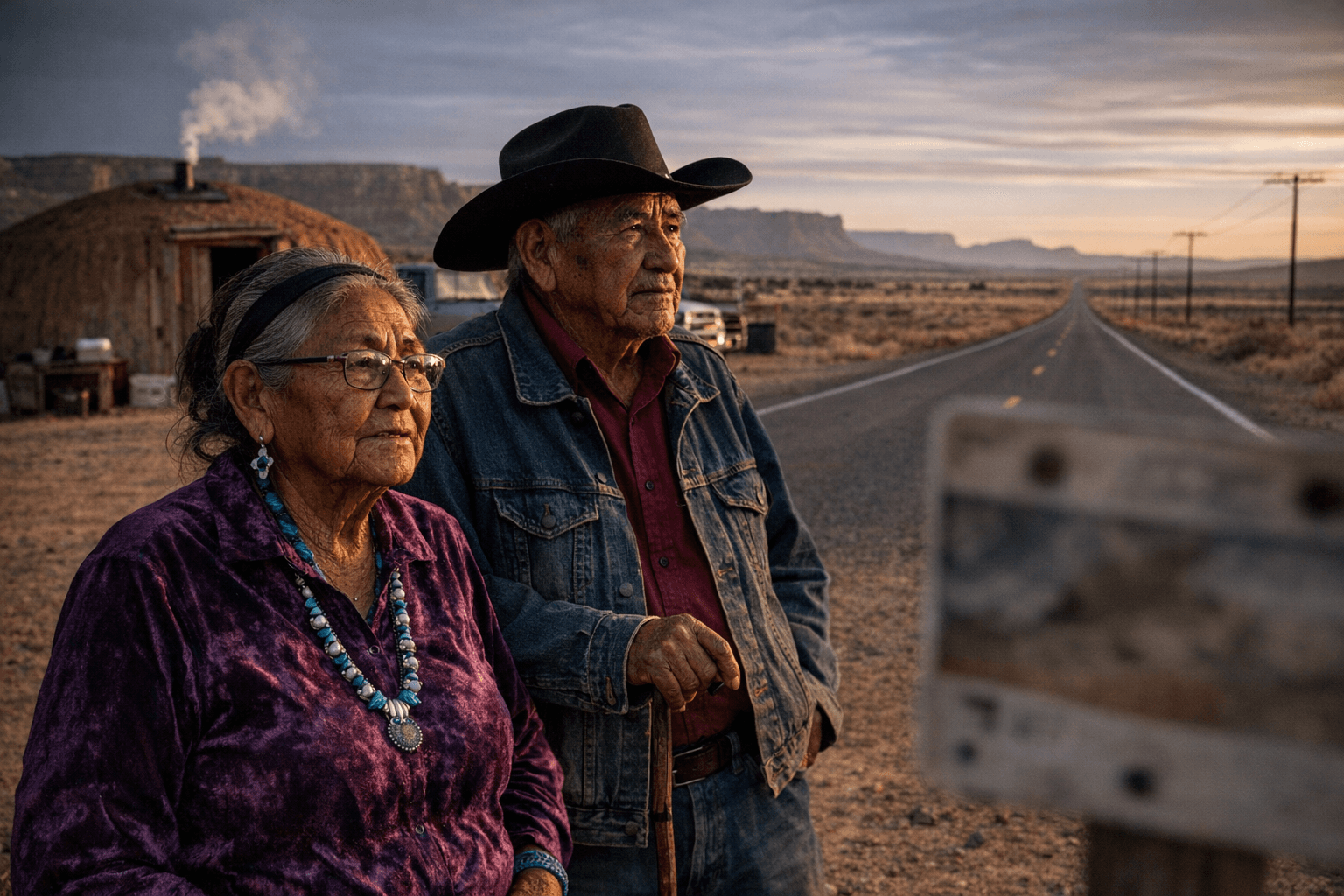
"A lot of the feedback that I got back today from my elders... is just an additional barrier that they now have to worry about," Curley said, citing both transportation demands and cost concerns for those who would need to make repeated journeys to satisfy the requirement.
The Naabik'íyáti' Committee had already approved a measure opposing the SAVE Act before Curley's public statements, reflecting a unified tribal position that the bill fails to account for how tribal identification and civil-document systems differ from those in urban or suburban contexts.
For Apache County election officials, the bill's passage would alter both workflow and timelines. Chapter houses and local vote centers that currently anchor the county's voter registration network would likely face surging demand for document retrieval help and transportation coordination. A higher volume of provisional ballots from voters whose tribal IDs fall short of the new standard would compress the county's post-election certification schedule. Native American turnout in Apache County has been rising in recent election cycles and is increasingly consequential in statewide contests, making any suppression of remote-precinct participation significant beyond the county's borders.
Whether Congress includes tribal-specific exemptions or authorizes mobile verification support will determine how dramatically the bill reshapes voting access for Apache County's most remote chapters.
This article was produced by Prism’s automated news system from verified source data, official records, and press releases, then run through automated quality and moderation checks before publishing. The system is built and supervised by the people who set the standards it runs under. Read our full AI policy.
Did this article answer your question?