Navajo youth survey shows lower risk behaviors, ongoing mental health concerns
Navajo teens are smoking and drinking less than they did 15 years ago, but depression, sleep loss and food insecurity still threaten student health.
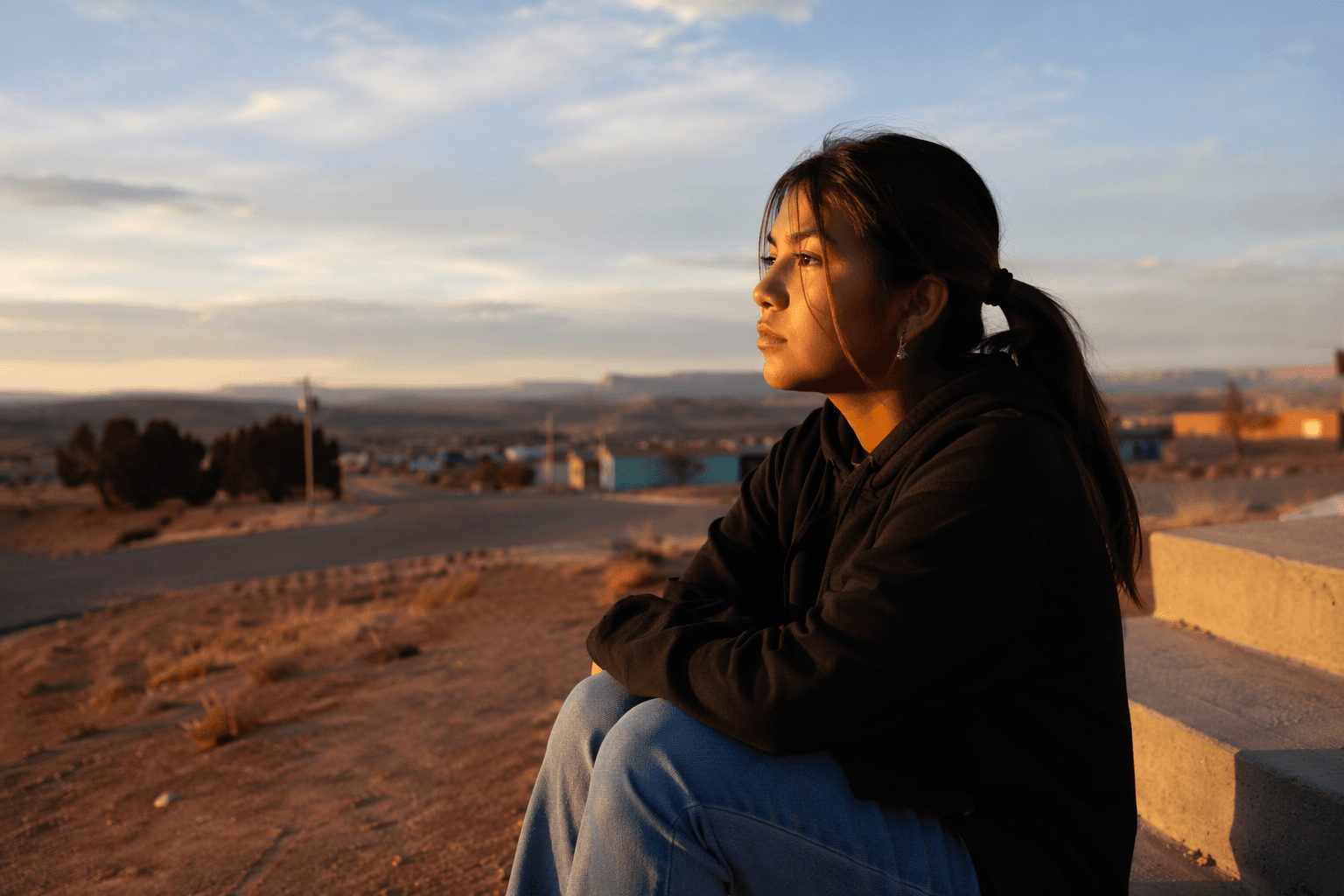
The strongest news from the 2023 Navajo Youth Risk Behavior Survey is a hopeful one: Navajo Nation teenagers showed lower rates of smoking, drinking and fighting than students did 15 years ago. For schools and families across Apache County, that suggests years of prevention work are paying off, even as other dangers remain stubbornly high.
The survey, released by the Navajo Health Education Program, tracks youth in grades 6 through 12 at schools serving the Navajo Nation in Arizona, New Mexico and Utah. It has been done every three years since 1993, with 2020 skipped because of the COVID-19 pandemic. The 2023 results are the fifth data set since 2008, and a new dashboard now adds trend data from 2017 through 2023, giving educators and health workers a clearer way to follow changes over time.
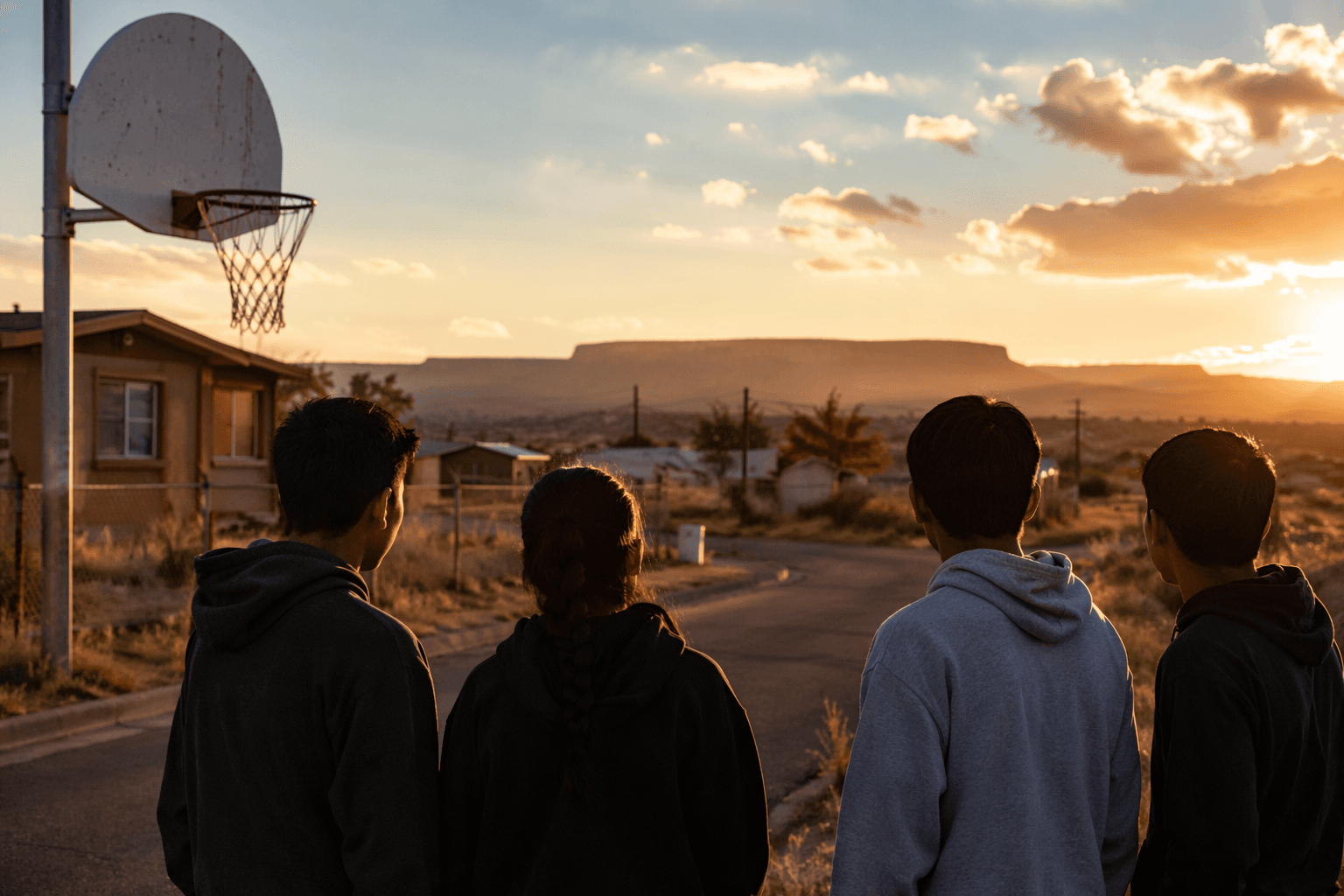
That fuller picture matters because the progress is uneven. Alongside lower tobacco, alcohol and violence-related behaviors, the survey still found troubling levels of depression symptoms, screen time, sexual violence, food insecurity and sleep loss. In other words, some risky behaviors are easing while basic well-being remains under pressure for many Diné teens.
The survey also carries local weight because it was built for Navajo communities, not just copied from a national form. It follows the model of the Centers for Disease Control and Prevention’s Youth Risk Behavior Surveillance System, but it also asks Navajo-specific questions about clan, language and traditional ceremonies. That makes the results more useful for schools, tribal health workers and policy makers trying to understand what young people in places like Window Rock are actually facing.
Officials say the data are meant to help determine how common different behaviors are, examine how problems overlap, compare Navajo youth with national, state and local data, and support school health education, teacher training, health policy and funding requests. The Navajo Nation says all schools within the Nation, along with schools that serve a large number of Navajo students, are invited to participate. The Nation spans about 27,425 square miles across Arizona, New Mexico, Utah and into Colorado-border territory, so a single survey can inform decisions across a wide and dispersed population.
The broader public health context is just as clear. The Navajo Health Education Program says its roots go back to 1934, with major expansion in 1952 and 1955, and the current dashboard was created to improve transparency and accessibility for schools, health professionals, community leaders and policy makers. Nationally, the CDC’s 2023 youth survey, released Sept. 29, 2024, put a spotlight on mental health, sexual violence and suicidal thoughts and behaviors, reinforcing that the challenges seen among Navajo students are part of a larger crisis. For Apache County, the message is practical: keep the prevention efforts that are working, and put equal urgency into mental health, hunger and sleep before the next school year deepens those gaps.
This article was produced by Prism’s automated news system from verified source data, official records, and press releases, then run through automated quality and moderation checks before publishing. The system is built and supervised by the people who set the standards it runs under. Read our full AI policy.
Did this article answer your question?