Oak Springs broadband tower brings internet to 320 Apache County homes
Oak Springs’ new monopole now serves more than 320 homes, giving residents a stronger link for work, school, telehealth and public services.
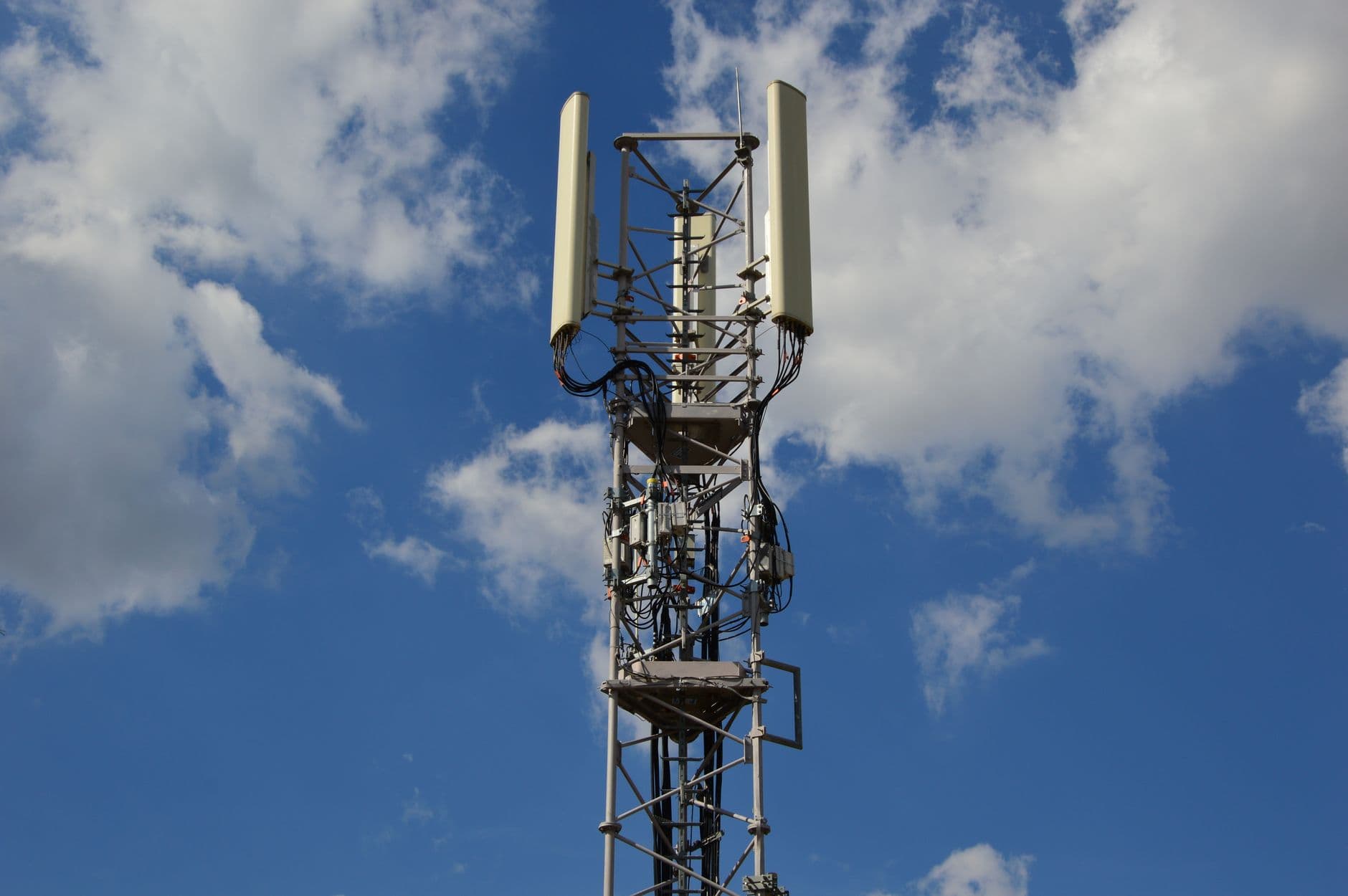
For more than 320 households in Oak Springs, the new broadband tower means internet access can finally function like a basic utility instead of a workaround. The Oak Springs Monopole entered service in mid-May and was formally recognized June 12 at the Oak Springs Chapter House, where President Buu Nygren joined community leaders, broadband officials and residents to mark the shift.
The project matters because it reaches into the parts of daily life that feel the economic strain of slow or missing service first. Reliable broadband can support home businesses trying to reach customers, remote workers logging into jobs, students finishing schoolwork, patients using telehealth and families trying to stay connected during emergencies. Nygren said the tower fits a broader effort to treat internet access as essential to education, health care, public safety, economic development and normal life across the Navajo Nation.
The tower was built by the Navajo Tribal Utility Authority and funded through the National Telecommunications and Information Administration’s Tribal Broadband Connectivity Program, with the Navajo Nation Broadband Office managing the grant from the Executive Branch. The Oak Springs tower is one of two NTIA-funded towers serving the area, alongside the Pine Springs tower, and it adds to a broader buildout that officials say is designed to close the digital divide across the Navajo Nation.
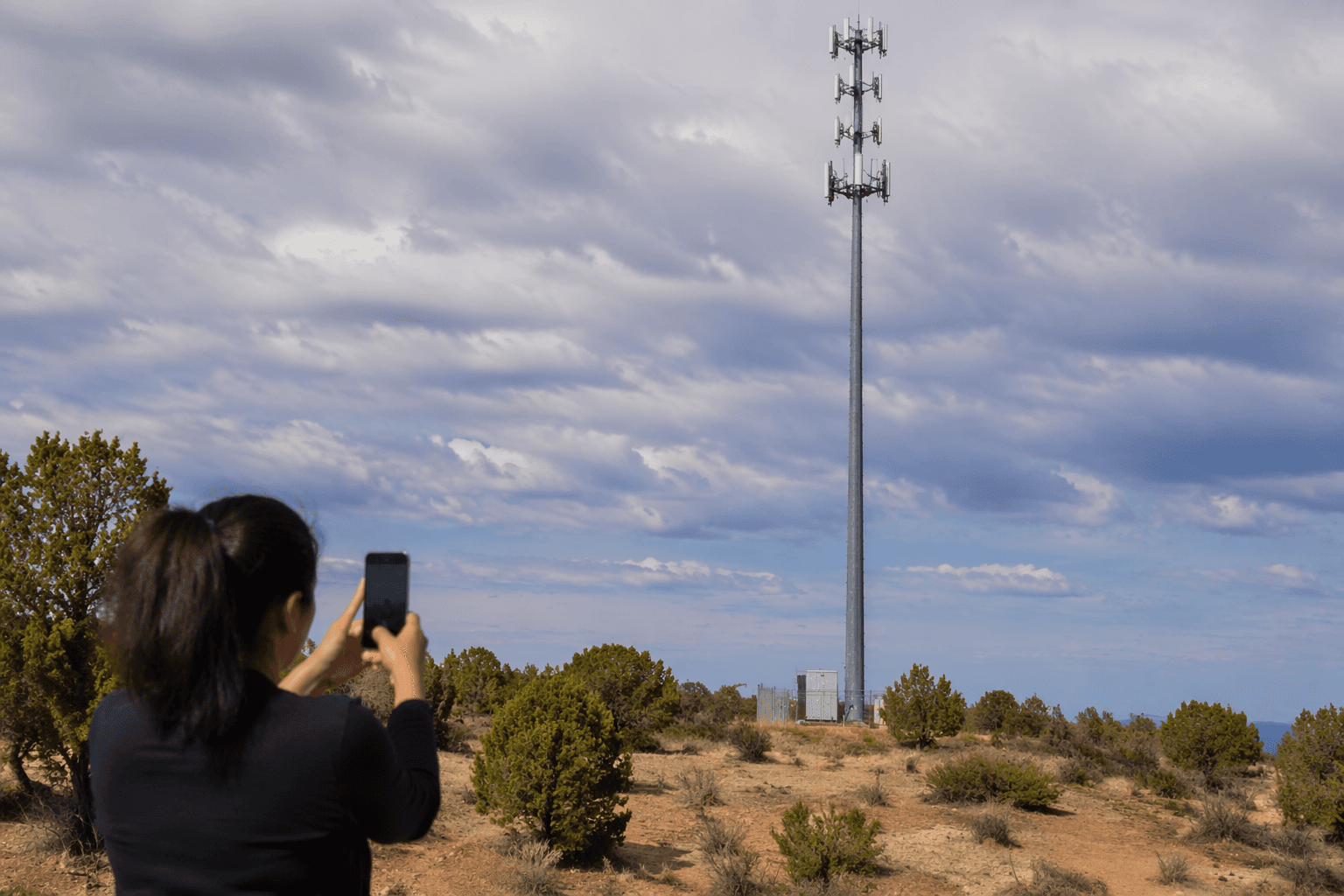
That larger effort is still far from finished. NTIA says the Navajo Tribal Utility Authority project associated with the grant is designed to connect 20,827 unserved and underserved Native American households and includes multiple towers, a monopole, fiber and other network upgrades. In other words, the Oak Springs tower is a meaningful local win, but it is also one piece of a much wider infrastructure campaign that still has thousands of homes to reach.
Local leaders said the payoff will show up well beyond the chapter house. Oak Springs Chapter President Andrew Lynch Jr. said the tower helps close longstanding communication gaps and frees the chapter to focus on other projects. Council Delegate Brenda Jesus, who represents the area and chairs the Navajo Nation Council Resources and Development Committee, said continued telecommunications investment improves the quality of life for Navajo families, students, entrepreneurs and elders. Former Oak Springs Chapter President Ben Smith said the project followed years of planning, community outreach and coordination, and NTUA Deputy General Manager of Communications Brian Thomason said it builds on NTUA’s expanding fiber-optic network.

The Oak Springs tower also builds on earlier connectivity work in the chapter, including the Oak Springs Chapter Library fiber connection through E-Rate funding, which provides free public internet access. With service now in place, Oak Springs has moved from promise to practical use, but the broader test remains whether similar projects can keep shrinking the number of Apache County and Navajo Nation households still left offline.
This article was produced by Prism’s automated news system from verified source data, official records, and press releases, then run through automated quality and moderation checks before publishing. The system is built and supervised by the people who set the standards it runs under. Read our full AI policy.
Did this article answer your question?