SRP plans carbon dioxide battery at St. Johns power plant
SRP’s St. Johns battery would store enough power for 4,275 homes, with Google sharing costs as Coronado shifts from coal toward gas and longer-term storage.
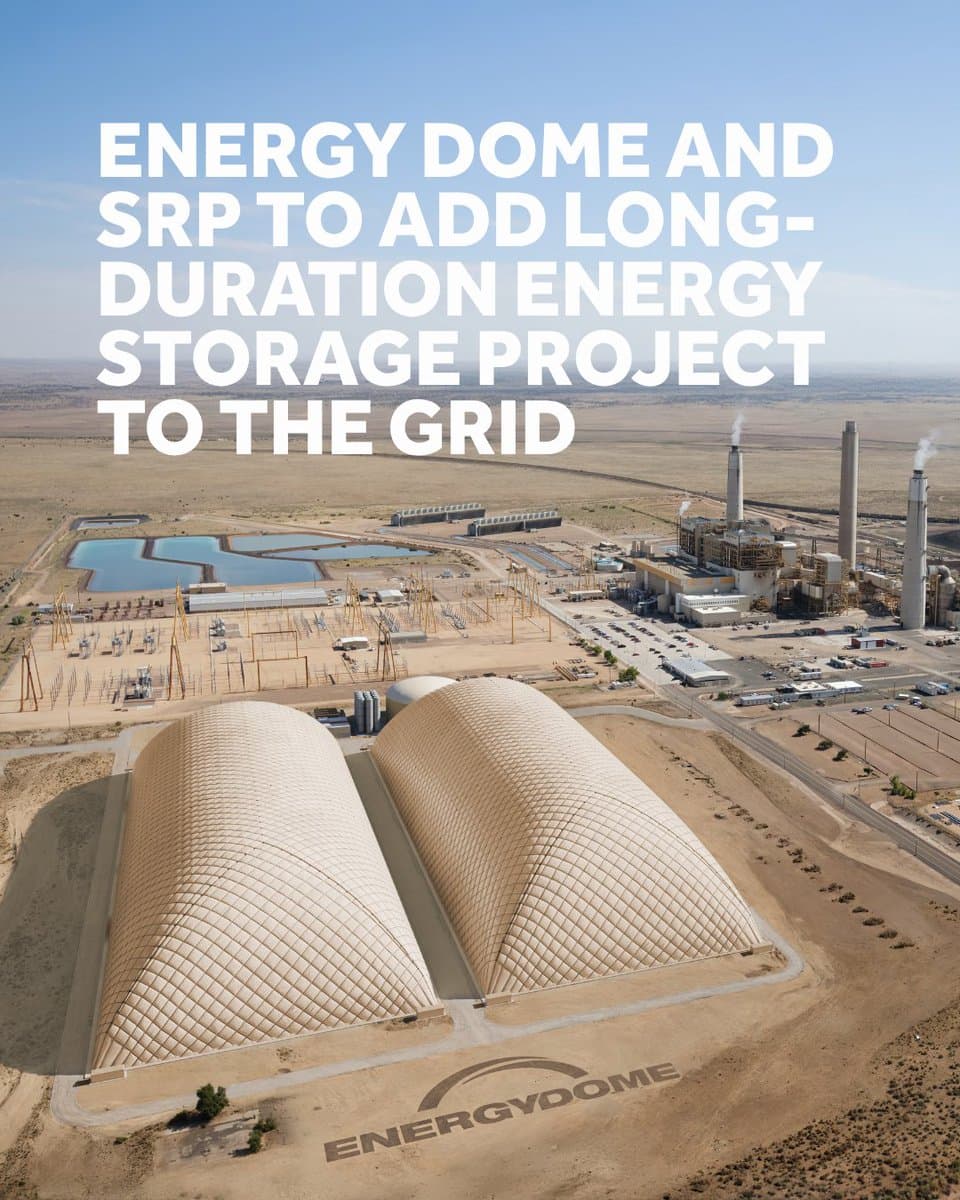
Salt River Project is betting on a carbon dioxide battery at Coronado Generating Station in St. Johns to give Apache County a new kind of grid backup as the site moves beyond coal. The 19-megawatt system is designed to discharge for 10 hours, enough to power about 4,275 homes, and it could help steady electric supply in a county where the plant remains one of the most important industrial anchors.
The project is not a conventional lithium-ion battery bank. SRP said the system will use Energy Dome’s thermomechanical process to compress and store carbon dioxide when power is available, then expand it through a turbine later to return electricity to the grid. That long-duration design matters because it is built for extended support during peak demand, not just brief bursts, and SRP said it wants to diversify its storage portfolio as the Valley’s energy needs keep climbing.
The arrangement also spreads out the risk. Under a 20-year tolling agreement, Energy Dome will own and operate the facility while SRP will dispatch its output. Google will fund part of the project through a cost-sharing agreement tied to the companies’ collaboration on non-lithium-ion long-duration storage, which means the tech giant is helping underwrite a pilot that SRP can test without carrying the entire capital burden itself. SRP selected the project through a 2024 request for proposals for long-duration energy storage pilots, and SRP and Energy Dome will work with the Electric Power Research Institute to track performance data once the system is running.
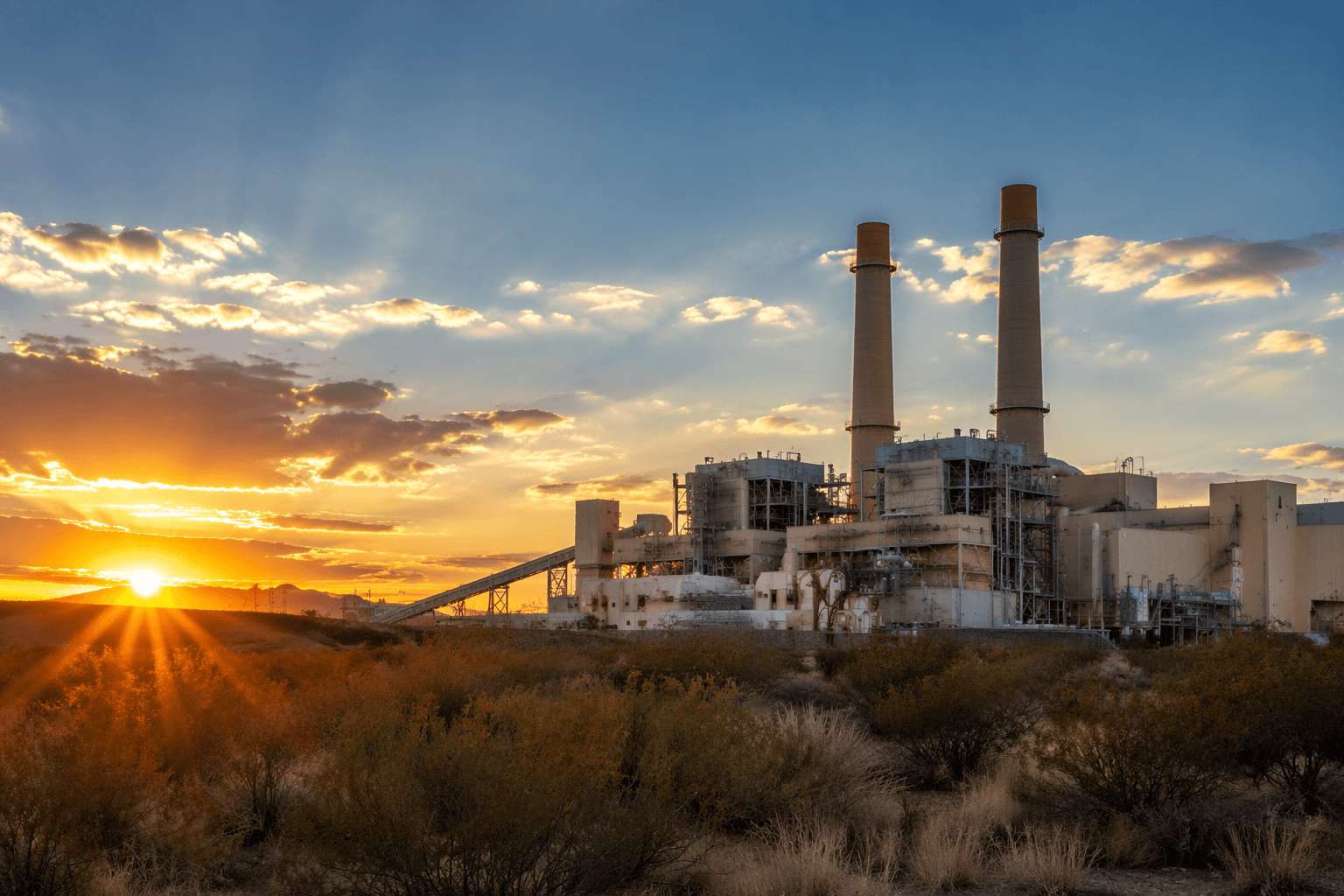
For St. Johns and the rest of Apache County, the biggest payoff would not come until the project comes online in 2029. By then, SRP expects coal generation at Coronado to have ceased and the plant’s natural-gas conversion to be complete by late 2029, extending the site’s life well into the next decade. SRP says the gas repower is the lowest-cost way to preserve the plant’s capacity, enough to serve more than 150,000 homes, as system peak demand is projected to rise 50% by 2035.
That makes Coronado a test case for Arizona’s energy transition. The coal plant site is being reworked into a bridge for the mid-2040s, when SRP says other technologies, including advanced nuclear, may be mature enough for the location. At the county level, SRP’s Coal Communities Transition effort is already tied to Apache County planning around entrepreneurship, tourism, site development, workforce development and community improvements, all aimed at keeping local benefits in place as the coal era winds down.
This article was produced by Prism’s automated news system from verified source data, official records, and press releases, then run through automated quality and moderation checks before publishing. The system is built and supervised by the people who set the standards it runs under. Read our full AI policy.
Did this article answer your question?