Tribal Leaders Warn BIA Reorganization Could Slash Staff, Delay Critical Services
The BIA already lost 846 staff since 2025, and a new reorganization plan revealed without tribal consultation threatens to deepen delays for Navajo Nation probate cases, land leases, and housing approvals in Apache County.
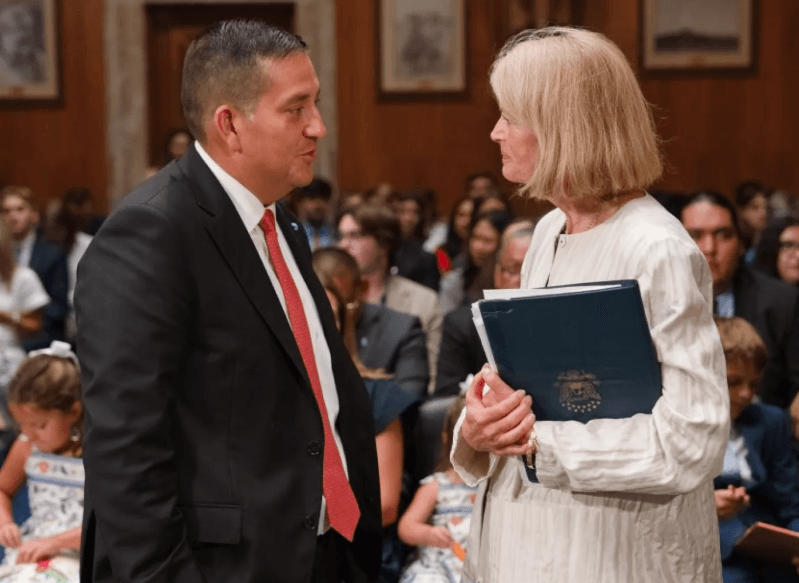
Mark Macarro stood before a congressional subcommittee on March 18 and delivered a warning that landed like a gut-punch in communities across Apache County: the Bureau of Indian Affairs was about to reorganize itself in ways that would gut the regional staff Apache County tribes depend on for everything from probate decisions to wastewater approvals.
"Just this week, we learned that the Bureau of Indian Affairs is planning on releasing and implementing a reorganization plan that will make significant cuts to the staff critical in administering programs and distributing funding to tribal nations," said Macarro, president of the National Congress of American Indians and chairman of the Pechanga Band of Indians. "This action has been done without consultation with tribal nations and without consideration of the impact it will have on the delivery of programs and services."
The reorganization plan arrives on top of cuts already deep enough to show up in federal audit findings. A Government Accountability Office report published in January documented that Indian Affairs lost a net 846 employees, an 11 percent workforce reduction, between January 2025 and mid-2025, dropping from 7,470 staff to 6,624. The BIA alone shed 13 percent of its workforce over that span. The Office of the Assistant Secretary for Indian Affairs, which oversees policy and funding pipelines, lost 27 percent of its staff. The GAO found that remaining BIA agency staff were absorbing work beyond their primary responsibilities, directly causing delays in their core duties.
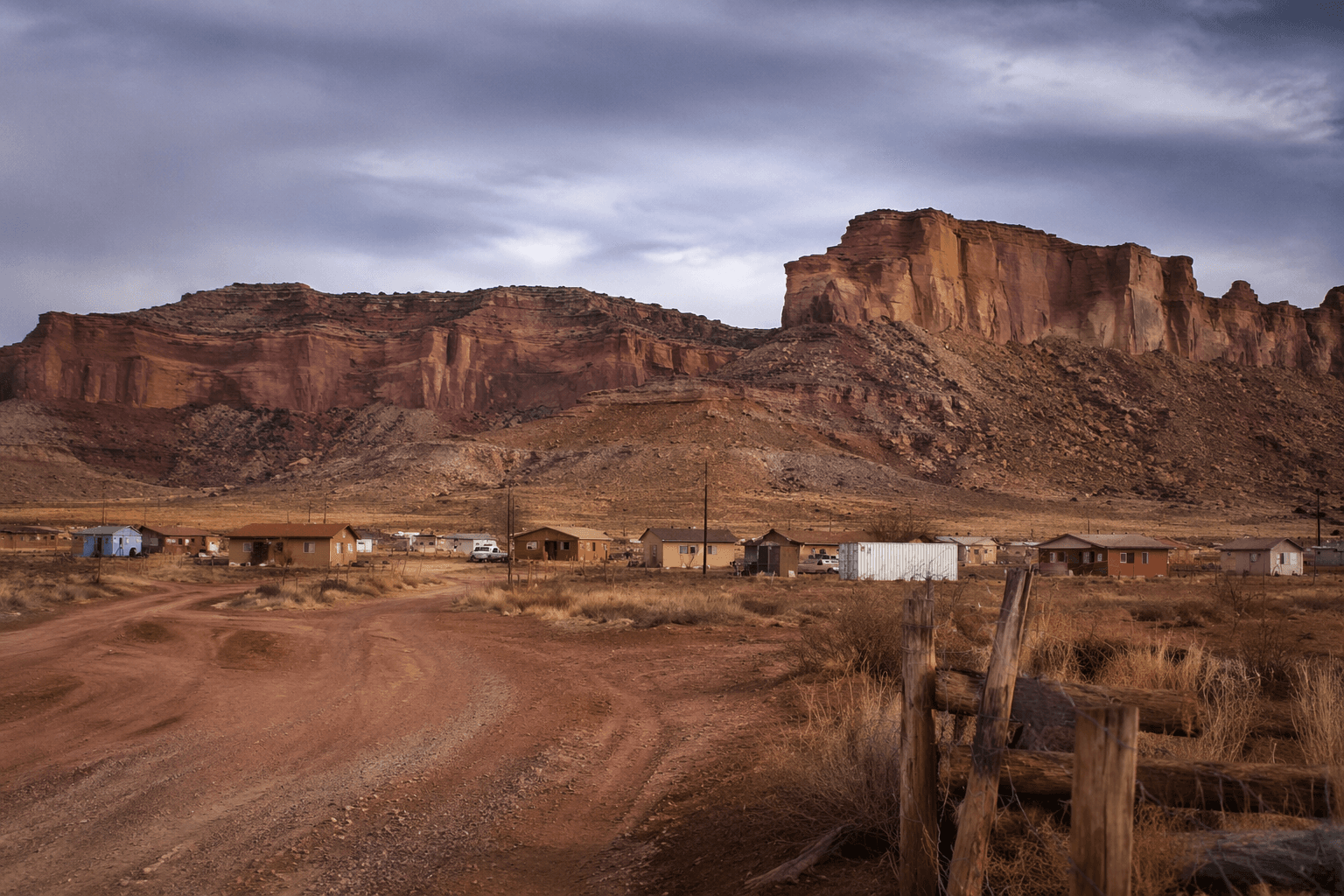
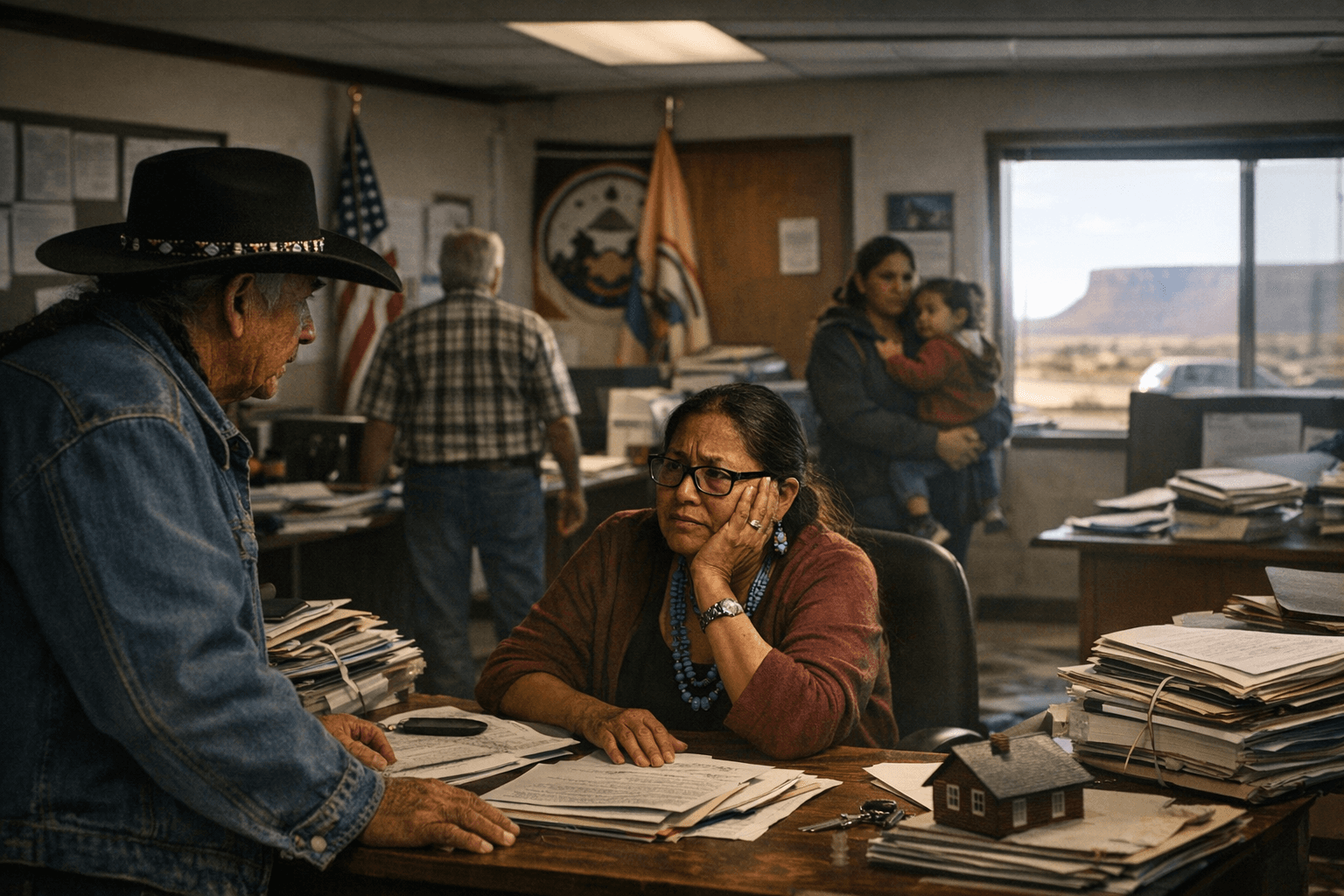
For Apache County, those core duties are not abstractions. The BIA's Navajo Region, which operates the Fort Defiance Agency serving many of the county's chapters and allotment holders, manages one of the most consequential backlogs in federal Indian law: probate of allotted land estates. As of early 2026, the Navajo Nation's Branch of Probate and Estate Services reported 8,899 active cases in various stages of processing, with federal law requiring allottee probate to proceed under the American Indian Probate Reform Act rather than tribal code. Any further reduction in the Probate Estate Services staff or the Office of Hearings and Appeals pipeline that handles adjudication would add months, potentially years, to cases that determine who controls land, who collects lease revenue, and who can consent to rights-of-way in the Apache County checkerboard area.
The downstream effects reach beyond probate. BIA regional staff process home-site leases and business leases on trust land, sign off on rights-of-way for roads and utility lines, and serve as a coordination hub for public-safety infrastructure funding that flows from Interior to tribal governments. Reduced staffing means longer queues for approvals that school construction projects, chapter house renovations, and emergency-access road projects cannot move forward without.
What makes the reorganization particularly alarming to tribal leaders is its timing relative to what Indian Affairs officials had told GAO just months before. As of December 2025, Interior officials assured auditors there were "no plans to reorganize or further reduce the workforce," though they acknowledged attrition pressures. Macarro's March 18 testimony revealed those assurances had already expired.
Macarro called on the subcommittee to press Indian Affairs to "reverse course and engage in robust and collaborative consultations with tribal nations before taking any action that would imperil the already understaffed Indian Affairs workforce." No response from BIA, Interior, or USDA had been provided before news organizations reported the testimony.
The formal reorganization plan has not been made public, and no comment period has been announced. Tribal coalitions are expected to push for a formal government-to-government consultation process before any restructuring takes effect. For Apache County chapters tracking pending land actions or infrastructure approvals, the safest step now is to contact the Fort Defiance Agency directly to confirm the status of any pending case before further staffing changes alter the processing chain.
This article was produced by Prism’s automated news system from verified source data, official records, and press releases, then run through automated quality and moderation checks before publishing. The system is built and supervised by the people who set the standards it runs under. Read our full AI policy.
Did this article answer your question?