Atchison advances Dam 6 sewer separation project to reduce overflows
A new stormwater-only pipe at Dam 6 is meant to spare Atchison homes from basement backups and street flooding by giving rainwater its own route.
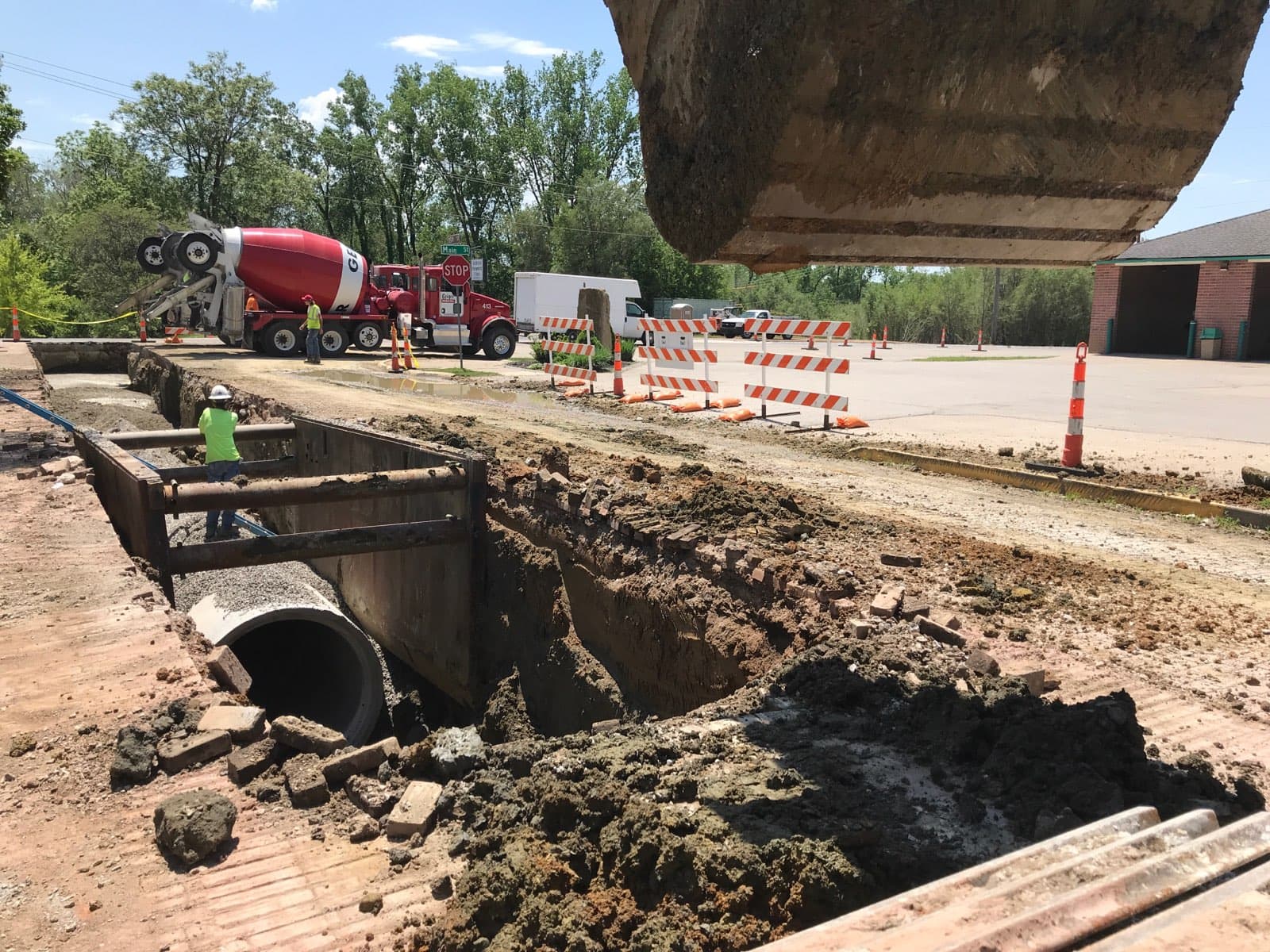
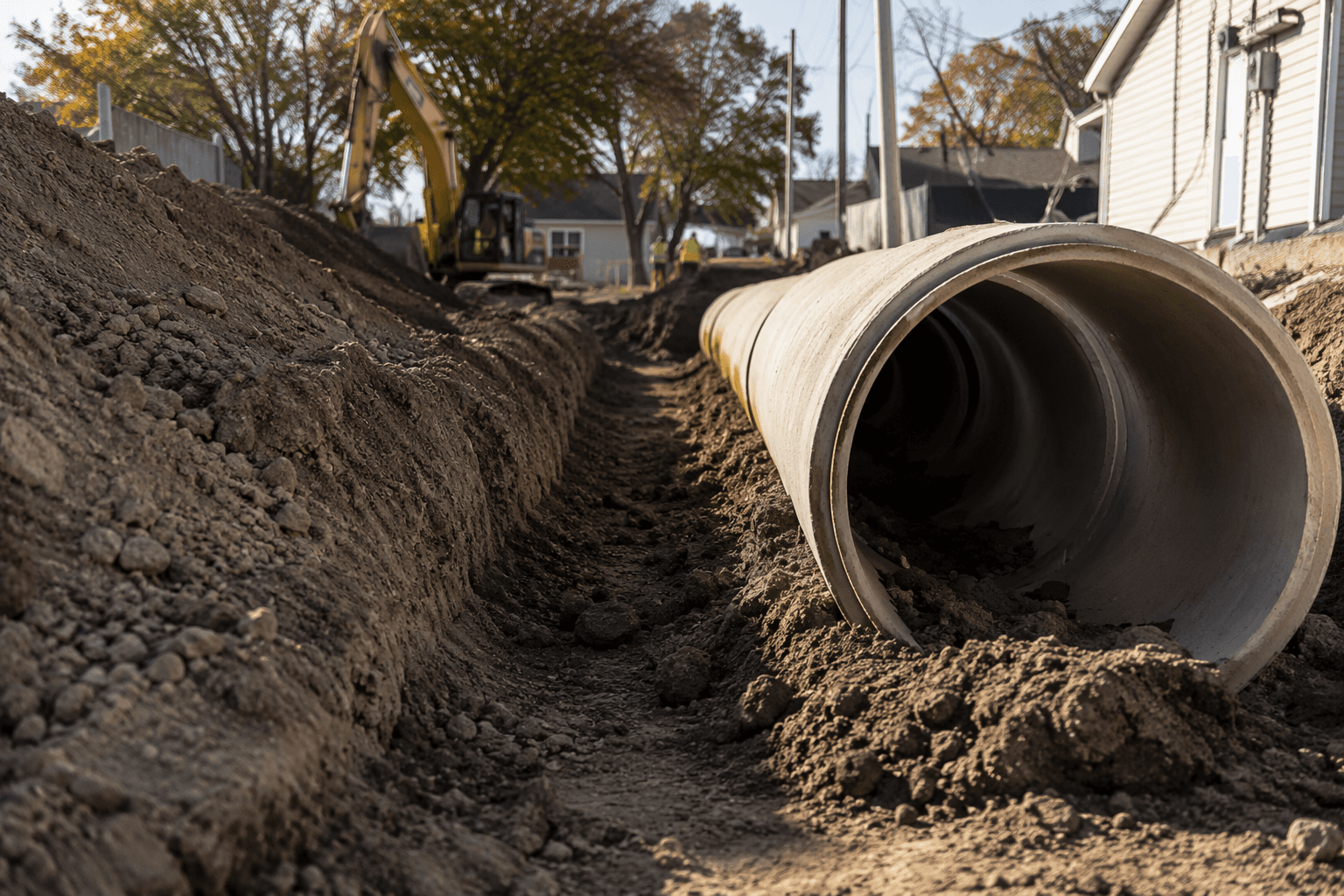
Atchison is separating stormwater from its combined sewer system at Dam 6 by building a new concrete pipe from White Clay Creek to the dam overflow. The project also rebuilds curb inlets along the route so they connect to the new stormwater line instead of sending rain runoff into the wastewater network.
That work matters because older combined sewer systems can be overwhelmed in heavy rain, pushing water where it does not belong and raising the risk of backups, overflows and emergency repairs. In Atchison, the Dam 6 project is designed as a direct fix for that problem, giving stormwater a separate path and reducing the load on the city’s combined sewer setup.
City records place the work inside a larger CSO remediation effort. A City of Atchison project page says Phase II of the Dam 6 Sewer Separation Project began work in January, and the city said on social media that the project was being actively under construction to help maintain compliance with the Clean Water Act of 1972. MSC News reported on Jan. 15, 2020, that phase two was underway and had begun Monday, with the same stormwater-only concrete pipe tying White Clay Creek to the overflow of Dam 6.
The project also fits into Atchison’s broader utility structure. The city bundles water, wastewater and CSO services on one monthly utility statement, and it offers a utility service request process for residents who need help or want to report an issue. That means sewer separation is not being handled as an isolated capital job, but as part of the same system residents see on their bills and through their service calls.
The regional stakes are broader than one drainage route in Atchison. A 2020 U.S. Senate congressional spending disclosure for Sen. Jerry Moran said Atchison’s Long Term Control Plan recommends sewer separation for each of the city’s nine combined sewer service areas. The same disclosure said that sewer separation would eliminate wet-weather discharge of sewage into the Missouri River, which it identified as a drinking water source for downstream communities including Leavenworth and Kansas City.
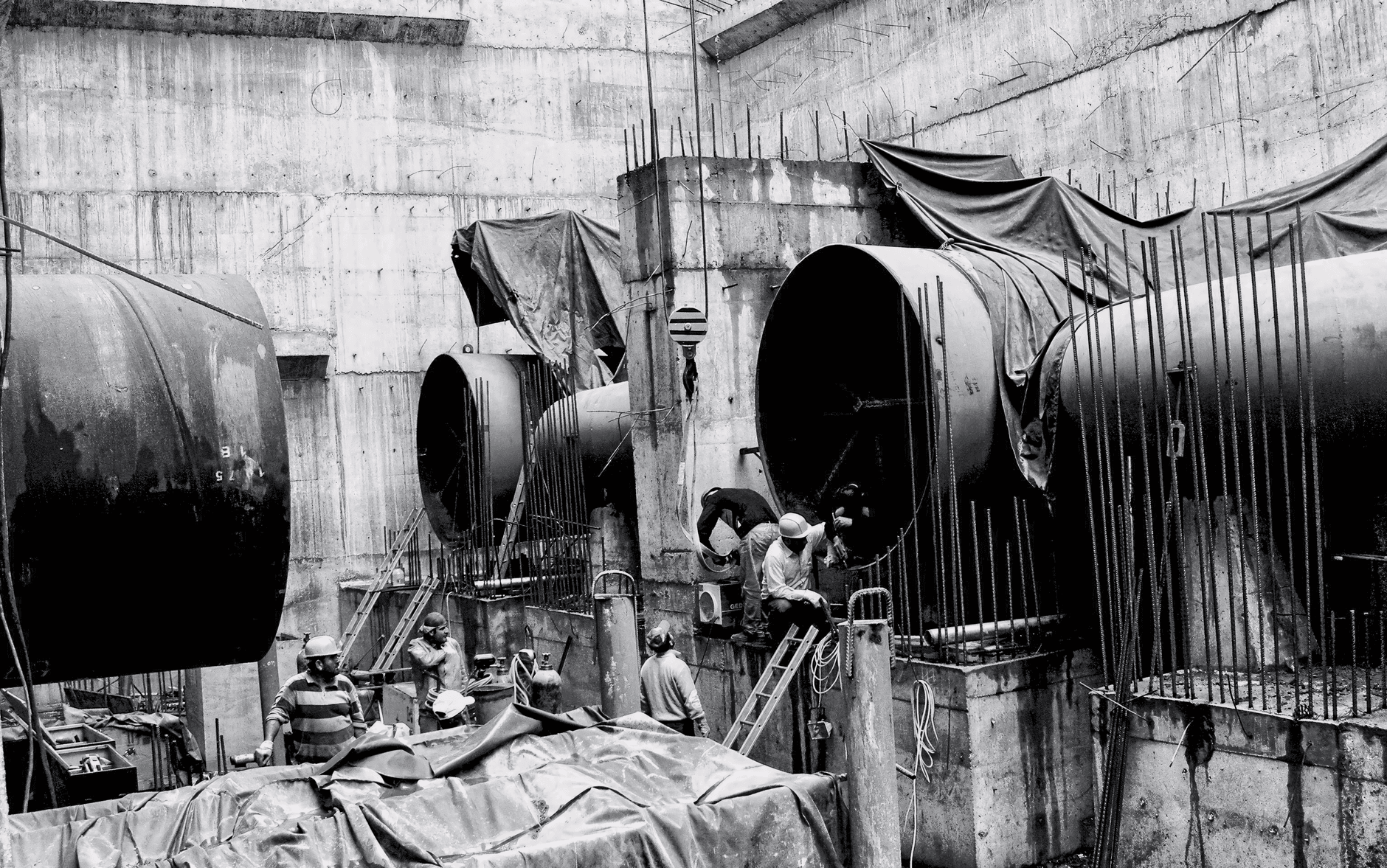
Atchison has also pushed back publicly against criticism that it was collecting a CSO fee without moving the system forward. The city framed the fee and the construction work as part of the same correction effort, while its project timeline pages show sewer separation alongside other utility upgrades such as water main replacements and storm sewer improvements. For a Missouri River city with older utility corridors, the Dam 6 work is a practical example of how long-term infrastructure planning is meant to prevent the kinds of failures residents notice only when water starts coming up through basements or into the street.
This article was produced by Prism’s automated news system from verified source data, official records, and press releases, then run through automated quality and moderation checks before publishing. The system is built and supervised by the people who set the standards it runs under. Read our full AI policy.
Did this article answer your question?