Atchison County cemetery districts keep rural burial grounds maintained
Atchison County’s 11 cemetery districts keep rural burial grounds cared for, and the right district contact can solve plot, upkeep and access problems fast.
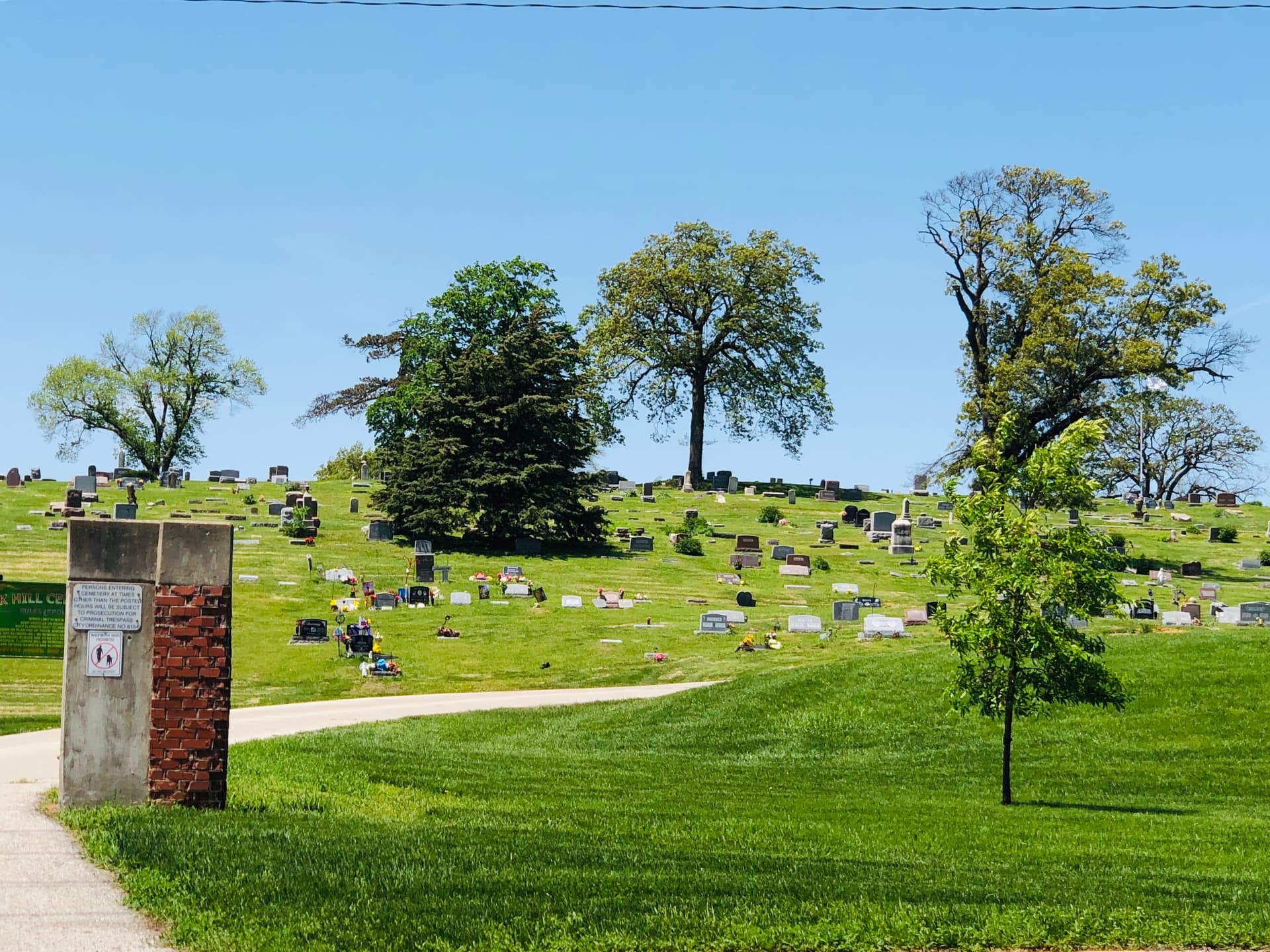
In Atchison County, cemetery care is not left to chance or handled from one distant office. It runs through 11 local districts, each with named contacts, so families can find help for mowing, burials, plots and access roads without guessing who is responsible.
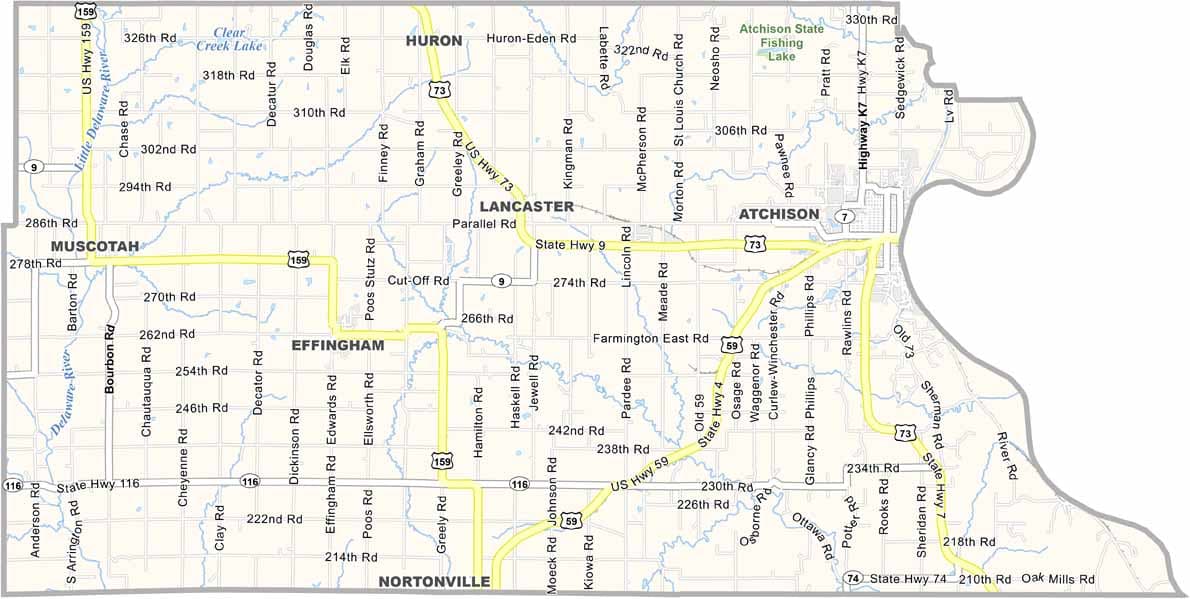
A county map built around local districts
The county’s cemetery-district page lays out the system plainly: Brush Creek, Camp Creek, Cummings, Effingham, Huron, Lancaster, Larkinburg, Monrovia, Muscotah, Pardee and Pleasant Grove all operate as distinct districts. That matters because the work is anchored in the places people actually know, including Cummings, Effingham, Lancaster and Muscotah, not just in a countywide office somewhere else.
The page is especially useful because it does more than list names. It gives residents the contact information needed to reach the right district when a cemetery needs attention, whether that means a burial question, a fence issue, or a maintenance concern that comes up during a funeral or a Memorial Day visit. The district model keeps the county’s rural burial grounds tied to specific communities and caretakers rather than treating them as a vague public service.
The county page also reflects the people doing that work on the ground. Among the names tied to the district system are Kevin Keihl, Robert Neill, Jerry Ernzen, Don Hinz, Ryan Chalfant, Eugene Latzke, Bill Gilliland, Steve Caplinger, John Kreoder, Jodi Thompson and Paul Dunlap, showing how local stewardship is spread across the county instead of concentrated in one place.
Who handles the records, budgets and paper trail
If a cemetery concern goes beyond the grounds themselves, the county clerk’s office is the other key stop. Atchison County says the clerk processes budgets for schools, fire districts, cemetery districts, drainage, watershed, cities and special districts, which places cemetery districts inside the county’s formal administrative system rather than outside it.
That same office also keeps old birth and death records for genealogical research. For families tracing a burial site or trying to confirm a relative’s place in the county record, that makes the clerk’s office a practical link between present-day upkeep and long-term memory.
For residents, the division of labor is straightforward: the district handles the cemetery itself, while the clerk’s office handles the budget and recordkeeping side that keeps the district functioning over time. In a rural county, that separation can save days of confusion when a burial is pending or a plot needs to be identified quickly.
How a cemetery district is created and funded
Kansas law gives cemetery districts a defined legal path. Under statute 17-1330, a district can be established when a petition signed by at least 51% of the qualified electors in the proposed district is presented to the county commissioners, and the Board of County Commissioners of Atchison County can then establish the district.
Once formed, an annual cemetery district meeting can set a tax levy for two things: caring for and maintaining the cemetery, and improving the road leading to it from a county or state highway. That road language matters in a county where access can be as important as landscaping, especially when families are trying to reach a rural cemetery after rain, snow or seasonal growth.
The levy structure shows that cemetery care is not handled informally. It is built into county government through petition, commissioners, annual meetings and taxation, which gives each district a formal way to fund the work that families see on the ground.
Where the money shows up in county records
Atchison County’s 2025 levy sheet lists cemetery as a separate levy category for cities and townships, which makes the funding visible inside the county’s tax structure. The 2025 levy sheet was certified by County Clerk Susan Carrigan, and the county also posts 2025 tax levy sheet and budget materials online.
That public paper trail matters because it lets residents see cemetery upkeep as part of ordinary county budgeting, not as a side project that appears only when a problem becomes visible. The levy records connect the maintenance at rural burial grounds with the broader local system that also funds schools, fire districts and other special districts.
Finding graves and family history
For descendants, historians and anyone trying to locate a burial, the county’s cemetery system reaches beyond maintenance alone. The Atchison Public Library says the Atchison County Kansas Genealogical Society has searchable cemetery files for all of Atchison County, giving families another route to confirmation when a grave location is unclear.
That is especially useful in a county where the same office that processes cemetery budgets also preserves older vital records. Together, the clerk’s records and the genealogical cemetery files create a practical archive for families who need to match a name to a place before a funeral, a reunion visit or a long-delayed family search.
For Atchison County residents, the clearest rule is simple: if the problem is the cemetery itself, start with the district contact listed for that burial ground; if the question is records, budgets or official filings, the clerk’s office is the place to go. That system keeps rural burial grounds maintained, keeps roads and grounds in the tax structure, and gives families a path to the right person before grief turns into a paperwork search.
This article was produced by Prism’s automated news system from verified source data, official records, and press releases, then run through automated quality and moderation checks before publishing. The system is built and supervised by the people who set the standards it runs under. Read our full AI policy.
Did this article answer your question?