Atchison County clerk manages records, elections, licenses and budgets
The clerk's office is the hub, but the real map runs through township boards, cemetery districts, road crews and the state records office.
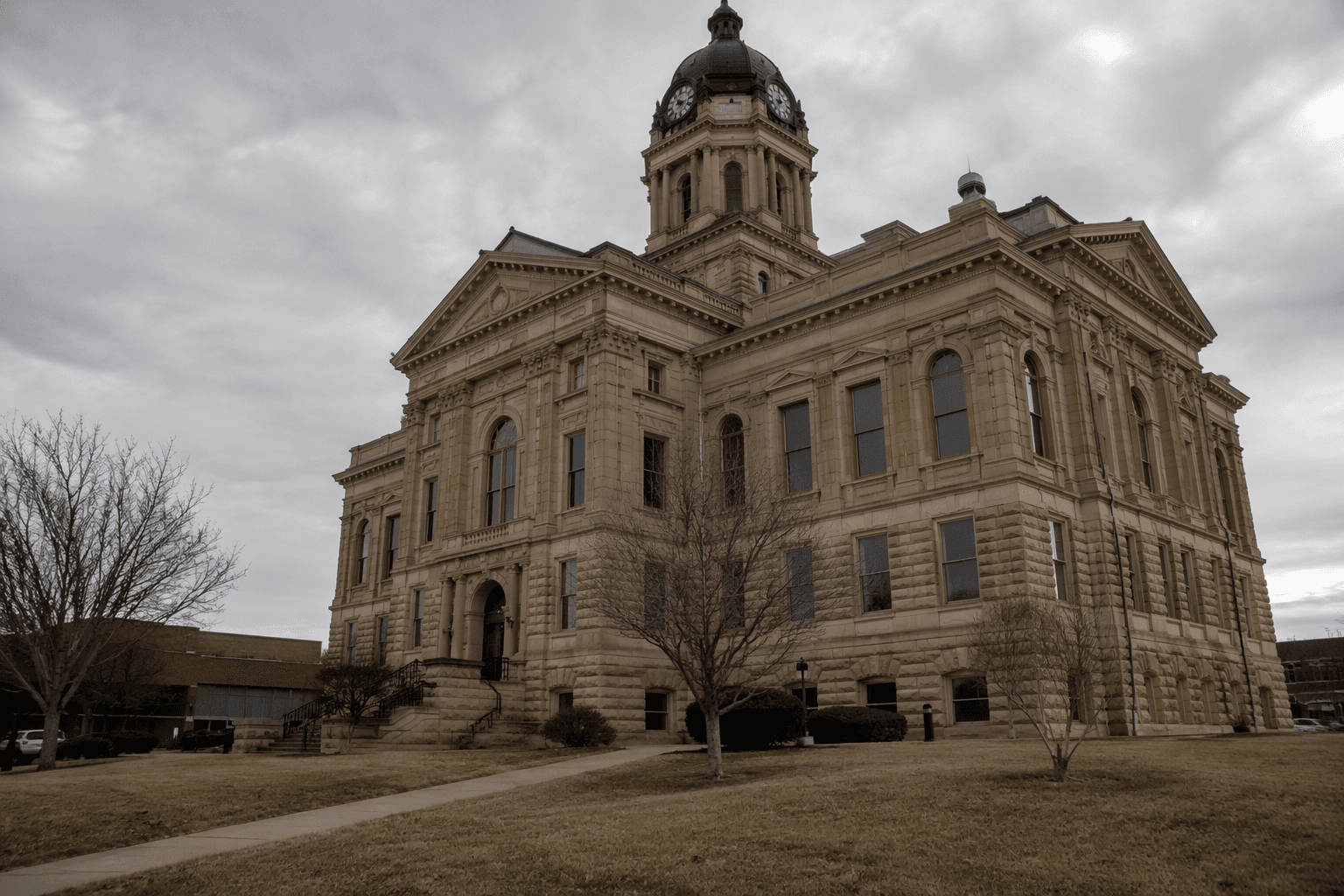
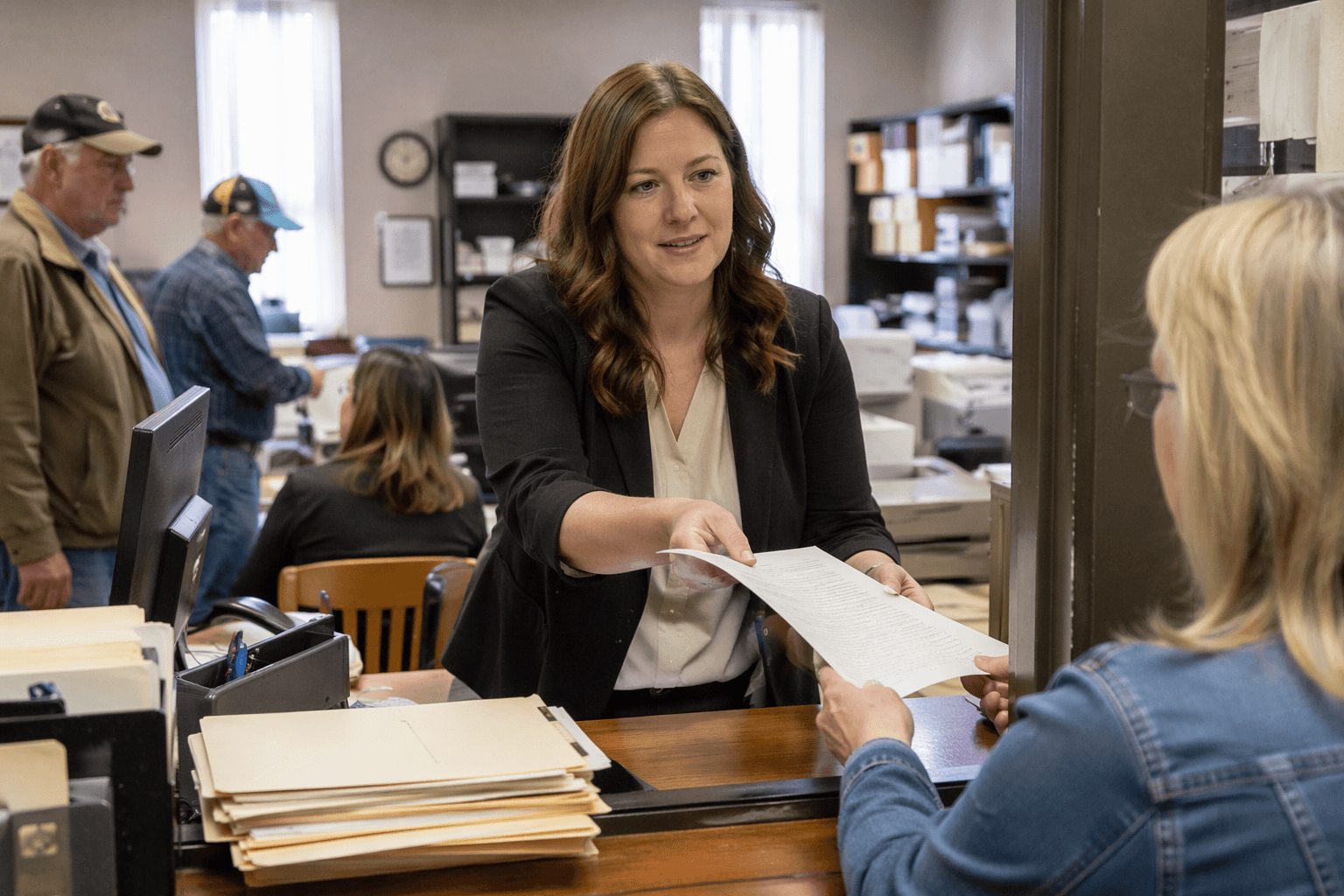
The county clerk’s office is the first stop for a surprising amount of local life in Atchison County. It handles elections, voter registrations, filings for county, school board, township and some city offices, and it also processes budgets for schools, fire districts, cemetery districts, drainage, watershed, cities and special districts. Susan Carrigan serves as county clerk, Angela Griffin is deputy clerk, and Tabitha Figger is the election clerk at the courthouse on 423 North 5th Street in Atchison.
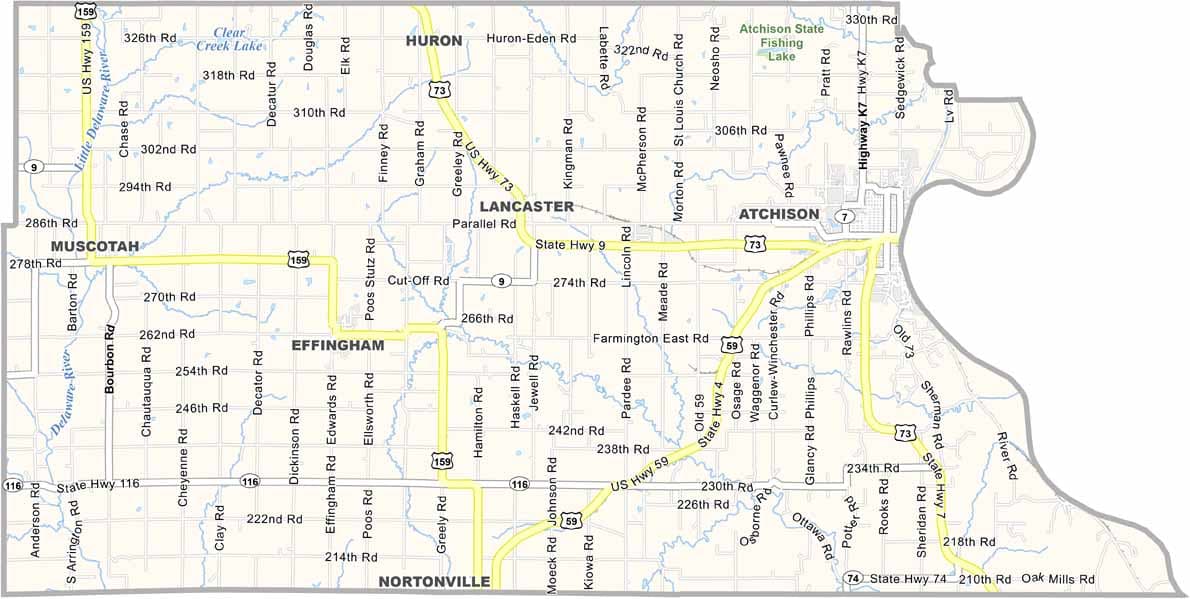
That office also does work many residents never think about until they need it. It processes fish and game licenses, watercraft registrations, moving permits and township cereal malt beverage licenses, while the county clerk serves as secretary to the county commissioners and keeps county records. In a county with one first-class city, Atchison, and four third-class cities, Effingham, Huron, Lancaster and Muscotah, that mix of duties is what ties courthouse administration to daily life in smaller communities.
How the clerk fits into the county chain
If a matter belongs to county government rather than a township or a cemetery board, the clerk is usually the place where the paper trail begins. The office acts as the county election officer, which makes it central to voter registration and the mechanics of filing for local offices. It is also the clearinghouse for the county’s records, which gives the clerk’s office a role that reaches beyond elections and into the ordinary business of local government.
That structure matters because Atchison County’s public offices are not organized as one uniform block. The county’s public-facing materials separate Cemetery Districts from Township Board Members, and they also list city officials, fire district boards and school district boards as distinct categories. That is a useful clue for residents: the office that can answer one problem may not be the office that controls the next one.
Birth, death and genealogy records stop and start at 1911
Family historians often run into the same boundary in Atchison County records. The county keeps death records from 1891 to 1911 and birth records from 1891 to 1911, but the Kansas Office of Vital Statistics began keeping birth and death records from July 1, 1911 to the present. Anyone tracing a family line, settling an estate or documenting an older burial will often have to move between county and state records to get the full picture.
That split is more than a filing detail. It defines where older information lives and why some searches stop at the county level while later records shift to the state. For genealogical research, that means the clerk’s office can be the door to the older county archive, but not the only stop in the search.
Cemeteries are governed, not informal
Atchison County treats cemetery work as an official public duty, not a side responsibility. The county’s public offices page lists Cemetery Districts alongside Township Board Members, and its resource directory names cemetery contacts for Brush Creek, Camp Creek, Cummings, Effingham, Huron, Lancaster, Larkinburg, Monrovia, Muscotah, Pardee and Pleasant Grove. That is the kind of detail that shows how local administration is spread across named places rather than concentrated in one office.
Kansas law gives that structure a firm legal base. A cemetery district can be created when a petition signed by at least 51 percent of the qualified electors of the proposed district is presented to county commissioners, and once created it is governed by a board of directors elected by residents. Another state statute requires the township clerk to keep an exact record of who is buried and where graves are located in township cemeteries.
The same statute also addresses money and upkeep. For cemeteries acquired after January 1, 1915, township boards may charge residents a reasonable price for lots and may charge nonresidents up to 50 percent more for upkeep. That rule helps explain why cemetery care in rural Kansas often sits at the intersection of family history, public maintenance and local taxation.
Townships still matter for roads and burial grounds
Township government can seem invisible until a road washes out or a cemetery record goes missing. In Atchison County, township responsibilities remain separate from county operations, and Benton Township in Effingham is one of the local names that appears in the county’s resource directory. That separation is why a resident may need a township official for one problem and the county clerk or Road and Bridge for another.
The county road system gives a clear example of that split. Atchison County Road & Bridge says county crews maintain 156 miles of gravel roads and 134 miles of asphalt roads, but they do not take care of roads inside the county’s eight townships. That leaves township-level government as the relevant layer for some rural roads, even while the county handles the larger road network.
A county with a long administrative memory
Atchison County’s present-day structure sits on top of a long history. The Kansas Historical Society says the county was established on August 25, 1855, organized on September 17, 1855, and named for David Rice Atchison, a U.S. senator from Missouri at the time of the Kansas-Nebraska Act. The county’s records system, township framework and cemetery rules all fit into that older civic design.
That history still shows up in the everyday map of responsibility. If the issue is elections, licenses, county budgets or older county vital records, the clerk’s office is the starting point. If it is a cemetery district, a township burial record or a township road, the answer may sit with a local board, a township clerk or a county office that serves a narrower function. In Atchison County, knowing which layer owns the problem is often the difference between a dead end and a working answer.
This article was produced by Prism’s automated news system from verified source data, official records, and press releases, then run through automated quality and moderation checks before publishing. The system is built and supervised by the people who set the standards it runs under. Read our full AI policy.
Did this article answer your question?