Atchison County Fairbook sets 2026 dates, deadlines and rules
The 120th Atchison County Fair runs Aug. 5-8, with entries due July 15 and setup set for Aug. 1. The fairbook lays out the county’s year-long proof-of-work in 4-H, FFA and open-class projects.

The county’s biggest showcase of youth work, livestock judging and homegrown making returns with a clear calendar and a long paper trail behind it. The 120th annual Atchison County Fair runs Aug. 5-8, 2026, and the fairbook says the key deadline comes first: all entries are due to the Extension office by Wednesday, July 15.
Dates, deadlines and where to take your forms
The fairbook puts the pre-fair work on the calendar as firmly as the fair itself. Entry forms, judging schedules and class rules are already set, with pre-fair clean-up and set-up scheduled for Saturday, Aug. 1 at 8:00 a.m. The Atchison County Extension office is at P.O. Box 187, 201 N Broadway, Lancaster, KS 66041, and that is where the paperwork goes.
That setup matters because the fairbook is not just a schedule of entertainment. It is the operating manual for how Atchison County turns year-round projects into a public exhibit, from livestock barns to open class tables to the parade route. The fair’s structure is already in place before the gates open, which means families, exhibitors and volunteers have hard deadlines to meet long before fair week begins.
What is on the fairground floor
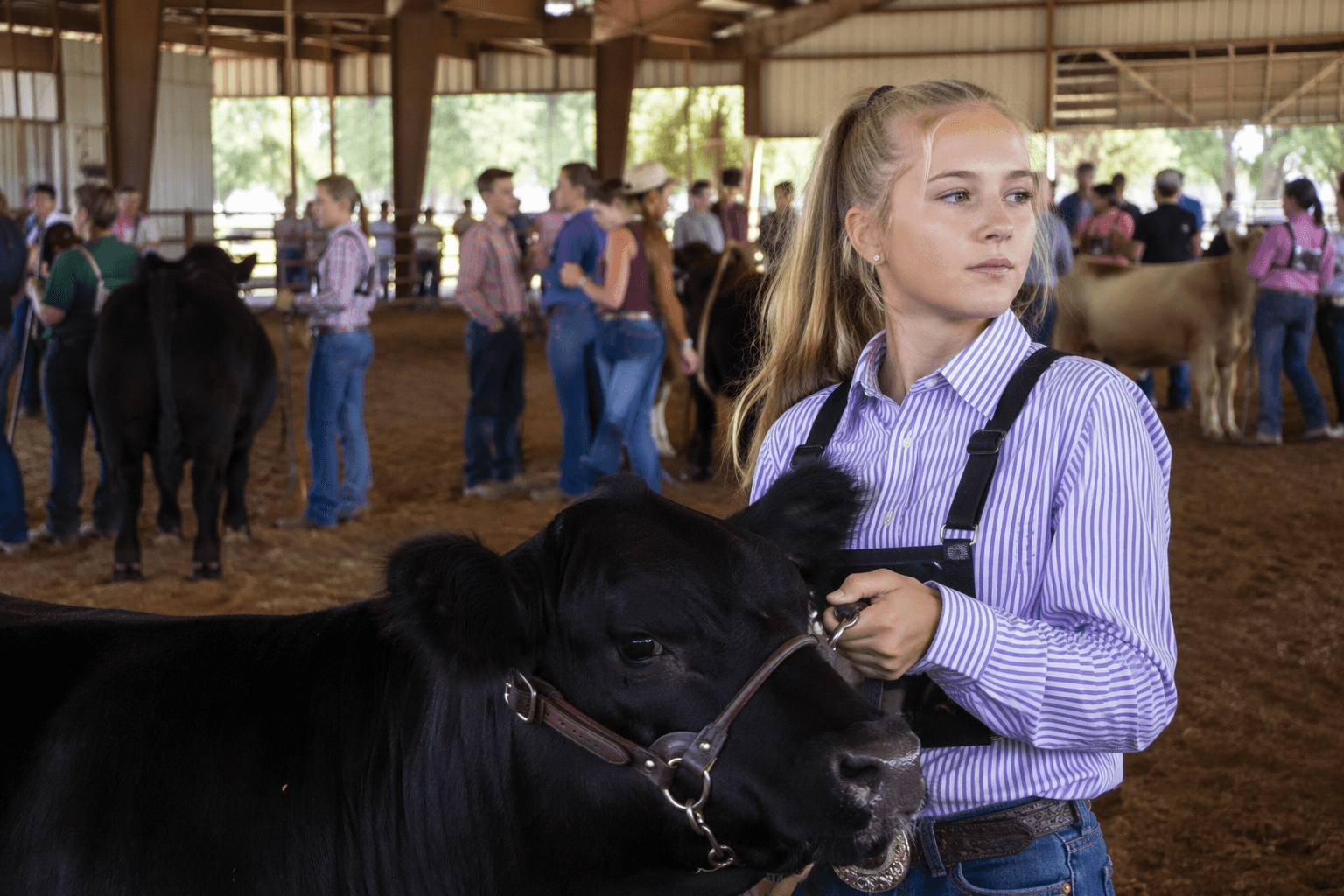
The 2026 fairbook shows a fair that is built around both agriculture and making. Livestock divisions include beef, dairy cattle, goats, horse, poultry, rabbits, sheep, swine and meat goats. On the non-livestock side, the list stretches through clothing, fiber arts, flowers, foods and nutrition, photography, posters, presentations, performing arts, STEM, ag mechanics, welding and woodworking.
That mix is what makes the fair read like a countywide inventory of skills. A blue ribbon in a pen of pigs sits alongside a good stitch line in clothing, a polished project in woodworking or a strong showing in STEM. The fairbook’s open division pages also make clear that this is not only a youth event. Separate 2026 forms are listed for the parade, open class exhibits, open class livestock, the BBQ contest and Mutton Bustin’, giving adults, families and younger children their own places in the lineup.
Crowd favorites are built into the program too. The fairbook calls out the Kiddee Pedal Power contest, Mutton Bustin’ and the BBQ cook-off, which means there will be plenty for spectators to watch even if they are not entering a project themselves. That combination of barn-floor seriousness and family-friendly spectacle is the fair’s real shape: county skills on display, with room for public fun around them.
Who is running the 2026 fair
The fairbook names the people carrying the event’s structure this year. John Acheson is listed as president, Meghan Hoffman as vice president and Janice Reiss as secretary/treasurer. The county commissioners named in the fairbook are James Campbell for District I, John Calhoon for District II and Casey Quinn for District III.
Behind that roster is the Atchison County Fair Association and the broader county extension system that supports it. The Atchison County Extension Board typically meets on the second Monday of each month, which gives the fair a regular governance rhythm rather than a once-a-year scramble. The county’s commissioners meet weekly on Tuesdays at the courthouse in Atchison, so the fair is never far from the broader business of county government.
That structure helps explain why the fairbook is so detailed. It covers officers, board members, commissioners, deadlines, judging schedules and rules because the fair depends on coordinated work from volunteers, extension staff and county leaders. For exhibitors, the result is a system that is predictable enough to plan around and strict enough to keep judging, safety and entries organized.
The rules are part of the event
The youth rules are blunt about authority and safety. The fair board and extension agents reserve the right to dismiss volunteers, and the board says it will use diligence to promote safety for visitors and exhibits. That language matters in a fair where livestock, children, crowds and machinery all share the same space.
The rules also show that the fair is designed to protect the people doing the work as well as the people watching it. That includes the exhibitors who lead animals into the ring, the families who bring project boards and baked goods, and the volunteers who help manage the flow of fair week. In practical terms, the fairbook is telling every participant that the event runs on standards, not improvisation.
Why the fair is also a county budget issue
The fair does not exist outside county finances. A 2025 local report said the fair board asked county commissioners to restore a $5,000 maintenance line in addition to the statutory fair payment, and another report said the statutory fair payment was $10,000 for 2025. Those numbers show the fair as an annual line item in county politics, not just a summer event on a schedule.
That matters because fairgrounds are used before fair week even begins. Another local report noted swine tagging day and small livestock weigh-in/tagging already on the calendar, reinforcing that the grounds function as a working hub for 4-H preparation, livestock care and project management. The fair is therefore tied to county maintenance, county oversight and the physical condition of the grounds year-round.
The bigger system behind one county fair
Atchison County’s fair sits inside the Kansas State University Extension network, and that statewide system includes 105 county offices. The local office in Lancaster is part of that broader structure, which is why the fairbook, entry forms and board calendar all connect back to extension work.
For Atchison County, that connection is practical. It means the fair is not just a weekend of rides and food, but the visible end point of projects carried through the year by kids, parents, club leaders and volunteers. When the gates open Aug. 5, the judging rings, exhibit tables and livestock pens will show what the county has been teaching, producing and saving for public view all along.
This article was produced by Prism’s automated news system from verified source data, official records, and press releases, then run through automated quality and moderation checks before publishing. The system is built and supervised by the people who set the standards it runs under. Read our full AI policy.
Did this article answer your question?