Julius Kuhn Block tells Atchison's 19th-century downtown story
One Atchison block packed groceries, medicine, repairs and finance into a single corner, showing how downtown commerce worked before modern retail took over.
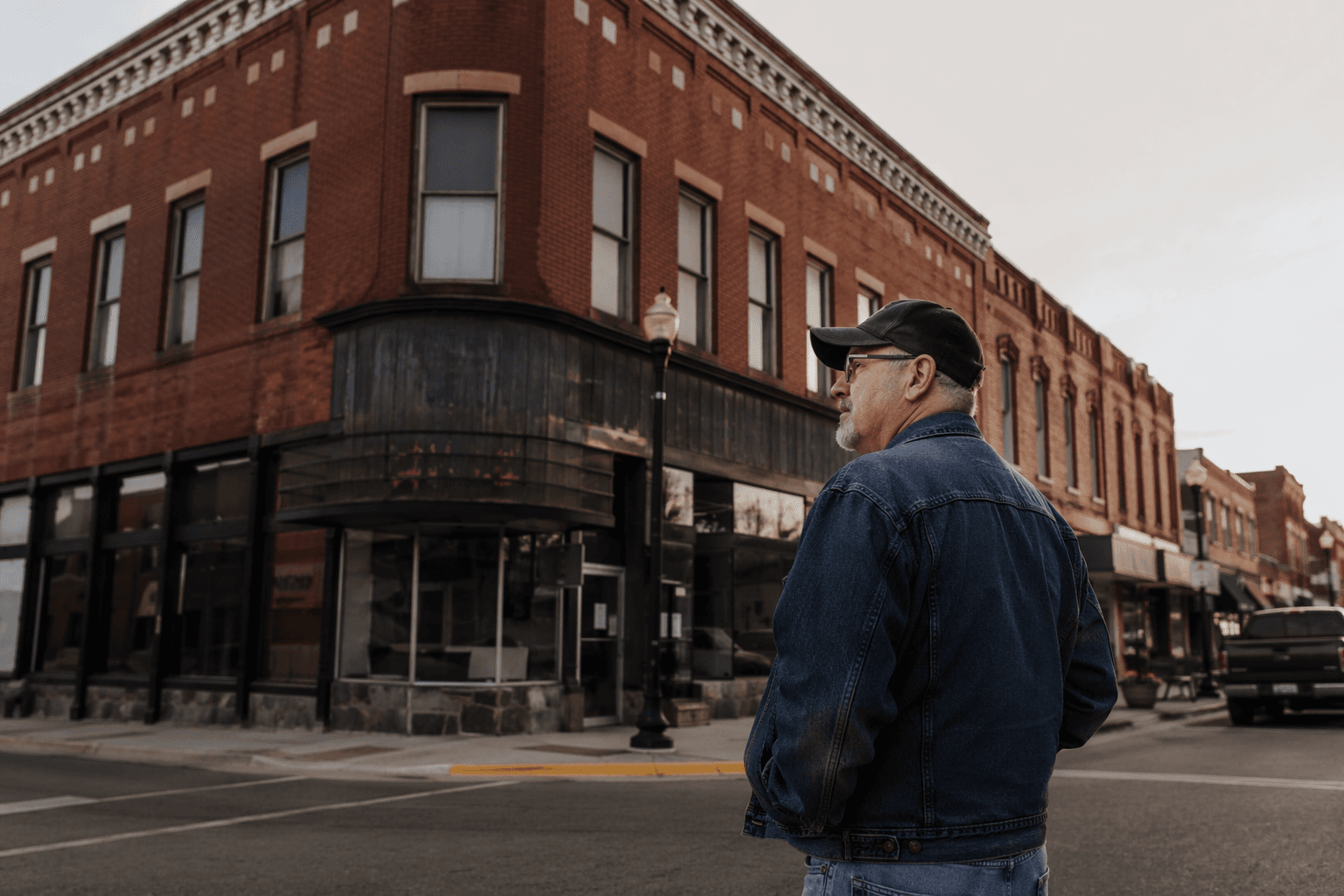
The Julius Kuhn Block at 731-733 Commercial Street and 106-110 N 8th Street turns one downtown corner into a readable map of Atchison’s 19th-century economy. It is not just a preserved facade, but a record of how a river town served daily life before shopping patterns spread out and changed. Listed on the National Register of Historic Places on November 24, 2023, the block is significant for both commerce and architecture.
A downtown corner built for everyday trade
Atchison’s business core grew out of a city that was incorporated in February 1858 and quickly became a steamboat stop, supply point, and trade hub for westbound settlers on the Missouri River. That early economy helps explain why a block like this mattered: commerce had to be dense, walkable, and mixed-use, with goods and services clustered close together. The Julius Kuhn Block, described as Italianate and designed by Alfred Meier, fits that pattern exactly.
The National Register nomination places the block’s period of significance between 1859 and 1920, which stretches from Atchison’s earliest growth years through the long commercial life of the downtown. The Kansas Historical Society also identified the block under Criteria A and C, tying its importance to both commerce and architecture. In other words, the building matters not simply because it is old, but because it still shows how the downtown worked when it was the center of local life.
Julius Kuhn’s business was a neighborhood in itself
Julius Kuhn arrived in Atchison on February 28, 1860 and opened a retail grocery store, then expanded into wholesale trade by 1878. That growth made him one of the city’s most extensive merchants in his line, and the nomination describes him as a prominent and well-loved owner. The block that carries his name reflects that reputation through the variety of businesses it held.
The buildings housed a grocery, meat market, drugstore, family physician’s office, poultry supply, tin work and roofing shop, and an investment company. That mix tells a sharper story than a single storefront ever could. One address served as a place to buy food, get medicine, handle repairs, and deal with money, all in the same few steps.
Seen that way, the Julius Kuhn Block was a compact service center for a growing town. It linked the routines of households, tradespeople, and business owners in one place, which is exactly how downtown districts functioned before modern retail dispersed those jobs across larger, separated commercial strips. The block preserves that older pattern in a form readers can still trace at street level.
Why the architecture matters as much as the tenants
The block’s Italianate style is part of its value, not just a decorative label. Italianate commercial buildings were common in growing 19th-century towns because they projected permanence and order while remaining adaptable for shops, offices, and upper-floor use. In Atchison, that style sits within a broader downtown landscape that also includes Richardsonian Romanesque and Second Empire buildings.
Visit Atchison describes the downtown historic district as a cluster of preserved 19th-century commercial buildings, and the Julius Kuhn Block belongs to that larger streetscape. The city’s surviving architecture gives downtown a visual continuity that newer development often lacks. Standing on Commercial or 8th, you can still read the old commercial logic in the building heights, storefront rhythm, and masonry forms.
The Kansas Historical Society nomination also identifies three contributing C buildings in the resource count, a reminder that the block’s significance comes from more than one structure or one business. It is a small cluster with a shared history, not a single isolated landmark. That makes it useful for understanding how downtown blocks evolved as working commercial units.
Surviving the 1958 White Clay Creek floods
The block’s story also includes endurance. The Kansas Historical Society notes that the buildings survived the massive downtown damage caused by two White Clay Creek flash floods in 1958. Atchison Main Street says those floods wreaked havoc on the community and reshaped land-use policy, which makes survival here more than a preservation footnote.
That flood history adds a second layer to the block’s meaning. The buildings are evidence of a commercial district that not only grew with the river economy, but also absorbed a major environmental shock and remained part of the downtown fabric afterward. Few structures can show both the rise of 19th-century commerce and the stress test of mid-20th-century disaster so clearly.
For Atchison residents, that matters because downtown is still where history and daily use overlap. The block is not frozen in time; it sits inside a business district that continues to serve the city while carrying the memory of what was lost, rebuilt, and re-used after the floods.
What the block reveals about Atchison County today
Atchison County now has 50 places on the National Register of Historic Places, which places the Julius Kuhn Block inside a substantial preservation landscape rather than as a one-off curiosity. That countywide total shows how much of local identity still depends on buildings that can explain where commerce, transportation, and civic life took shape. The Julius Kuhn Block is one of the clearest examples because it combines business history, architectural character, and disaster survival in a single corner.
For anyone trying to understand downtown Atchison as it functions now, the block offers a practical starting point. It shows why Commercial Street and the nearby 8th Street corridor became important, how merchants like Julius Kuhn shaped the daily economy, and why the city’s oldest commercial buildings still matter to the way the downtown looks and works. The block tells the story of a place that was built to serve a river town, endured flood damage, and remains part of the city’s living main street.
This article was produced by Prism’s automated news system from verified source data, official records, and press releases, then run through automated quality and moderation checks before publishing. The system is built and supervised by the people who set the standards it runs under. Read our full AI policy.
Did this article answer your question?