Baker City resident challenges zoning rules on shipping containers
A Baker City resident's objection puts shipping containers, setback rules and neighbor notice at the center of a fight over what can be built next door.

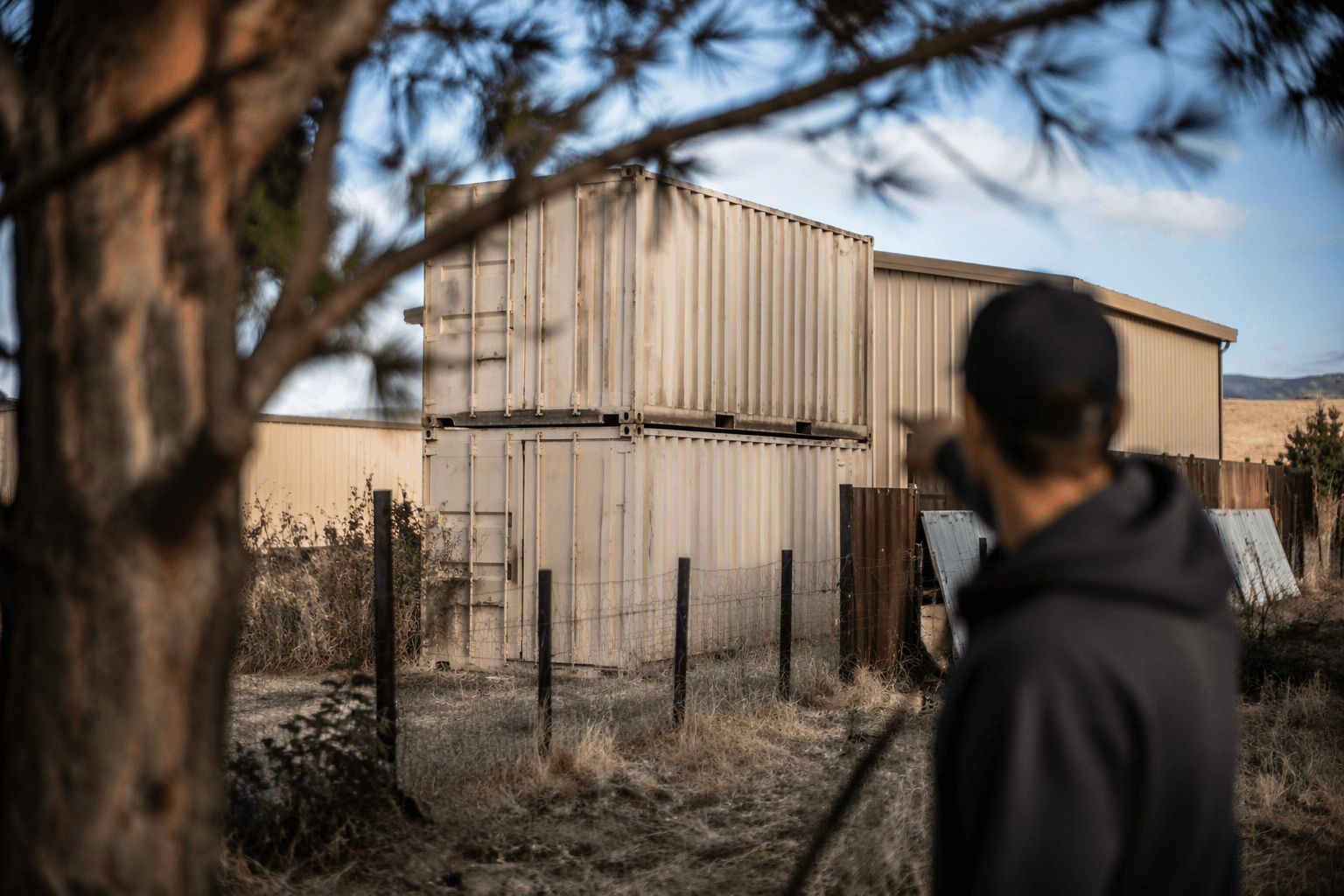
A Baker City resident’s challenge to the city’s zoning rules has turned a narrow permitting question into a broader fight over what can be built in a residential neighborhood and how much warning nearby owners should get before it happens. At issue is whether metal shipping containers and other accessory structures can go on residential lots without advance notice to neighbors, a question that cuts directly to property rights, neighborhood standards and the look of Baker City’s blocks.
The dispute matters because it is not only about one lot or one objecting resident. It asks whether a large container should be treated the same way as a shed, garage or other backyard outbuilding, and whether adjoining property owners should have a voice before a structure that may be visually out of place goes up next door. In a city where residents know the streets and often know the people involved, that kind of land-use disagreement can quickly become a larger test of how far local rules should go.
Baker City’s planning department says it provides information on the city’s Development Code, comprehensive plan, land-use zoning and floodplain development. The city’s residential zoning rules already include setback requirements, which control where structures can be placed on a lot and show that the city does regulate the footprint of buildings in neighborhoods. The planning department’s role in land use also means the shipping-container dispute sits squarely inside the city’s existing code and permitting system, not outside it.
The Development Code itself dates back to Ordinance No. 3296, effective Oct. 21, 2009, and it was amended again as recently as Oct. 28, 2025. That history suggests Baker City regularly revisits its land-use rules, which makes the current objection part of an evolving code framework rather than a one-time complaint. For neighbors, the larger question is whether those updates will ultimately tighten notice requirements, redraw the line between standard outbuildings and unusual structures, or leave the current rules in place.
Baker City’s building FAQ already addresses accessory structures such as tool sheds, play houses and storage sheds, which shows the city distinguishes small backyard buildings in its permitting guidance. At the state level, the Oregon Building Codes Division says the building code provides the current framework for buildings and structures, and Oregon’s 2025 structural code materials specifically address intermodal shipping containers when they are repurposed as buildings or structures. That makes shipping containers a regulatory gray area for residential lots, especially when neighbors see them as more industrial than residential.
However the city handles the objection, the precedent could reach beyond one property line in Baker City and Baker County. A decision that treats shipping containers as ordinary accessory structures would strengthen owners’ ability to add unconventional buildings with little local notice, while a tighter reading of the code could give neighbors more protection and set a new standard for future zoning fights across residential neighborhoods.
This article was produced by Prism’s automated news system from verified source data, official records, and press releases, then run through automated quality and moderation checks before publishing. The system is built and supervised by the people who set the standards it runs under. Read our full AI policy.
Did this article answer your question?