Baltimore City won't renew BGE conduit deal after safety scrutiny
Baltimore has told BGE it will not renew a conduit pact tied to $138 million in upgrades, resetting control over a 700-mile underground system.
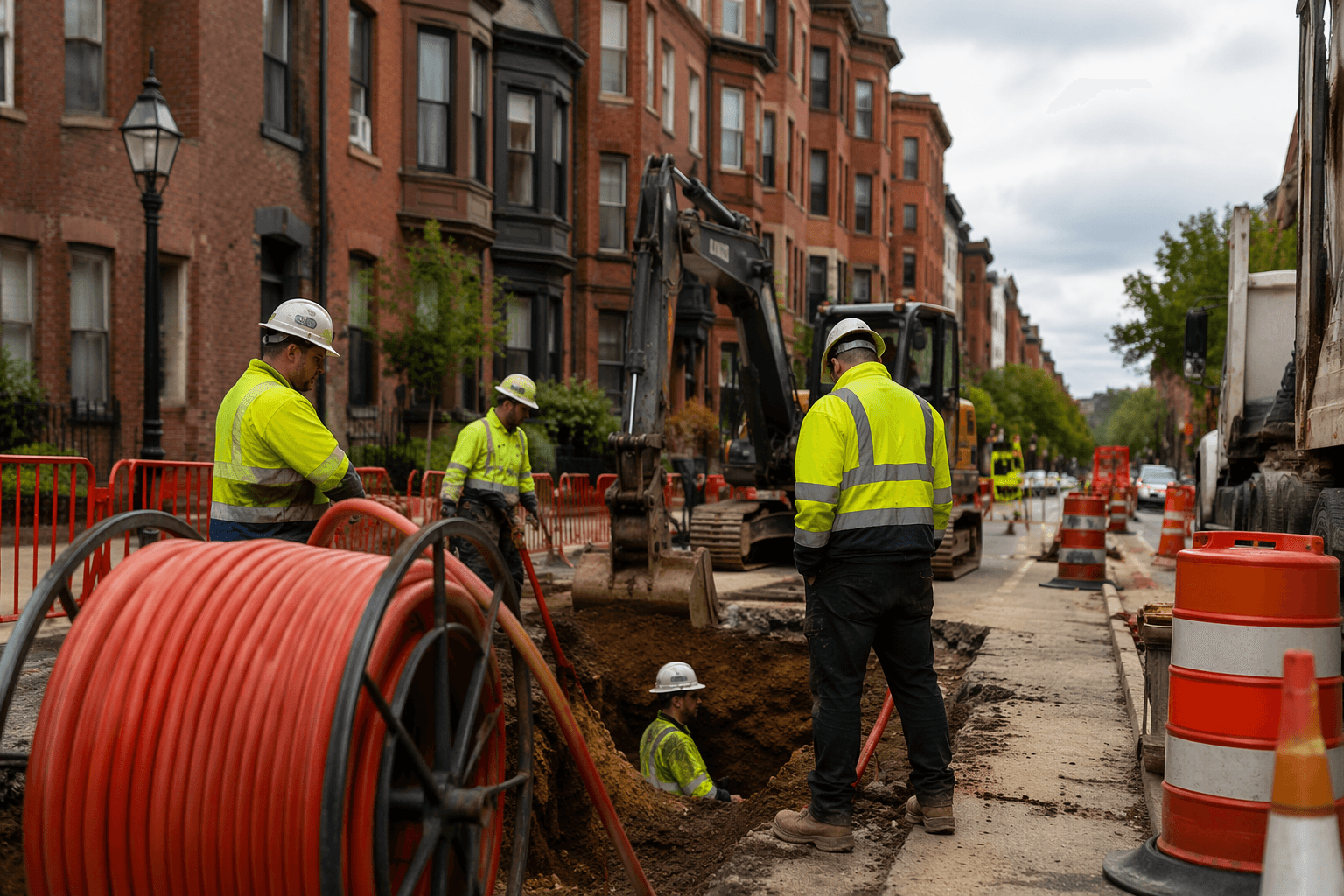
Baltimore City has told Baltimore Gas and Electric it will not renew the agreement governing the city’s underground conduit system, a move that puts the future of a 700-mile network of buried electric pathways, street work and utility spending back in play. The decision ends a controversial arrangement that has shaped how repairs are paid for and who gets the loudest voice over the city’s hidden infrastructure.
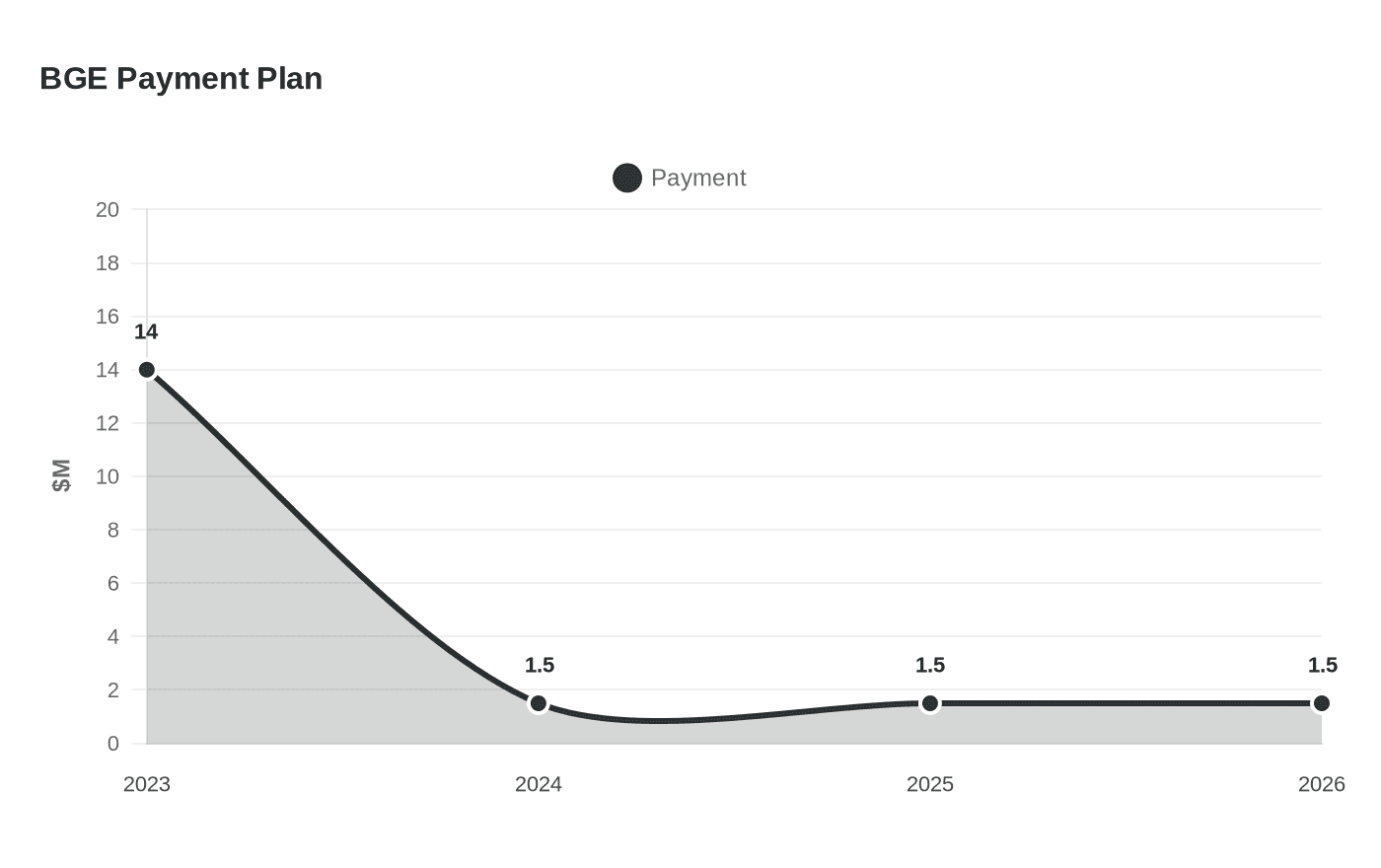
The current deal took effect on February 15, 2023, and runs through December 31, 2026, with an option to extend it for three more years. Under the amended agreement, BGE agreed to pay Baltimore City $14 million in 2023 and $1.5 million a year in 2024, 2025 and 2026, while also taking on capital-improvement work in the conduit system. BGE’s public materials say it committed to invest more than $138 million in conduit improvements through 2026. Earlier reporting on the same arrangement described up to $120 million in capital projects and the annual maintenance fee.
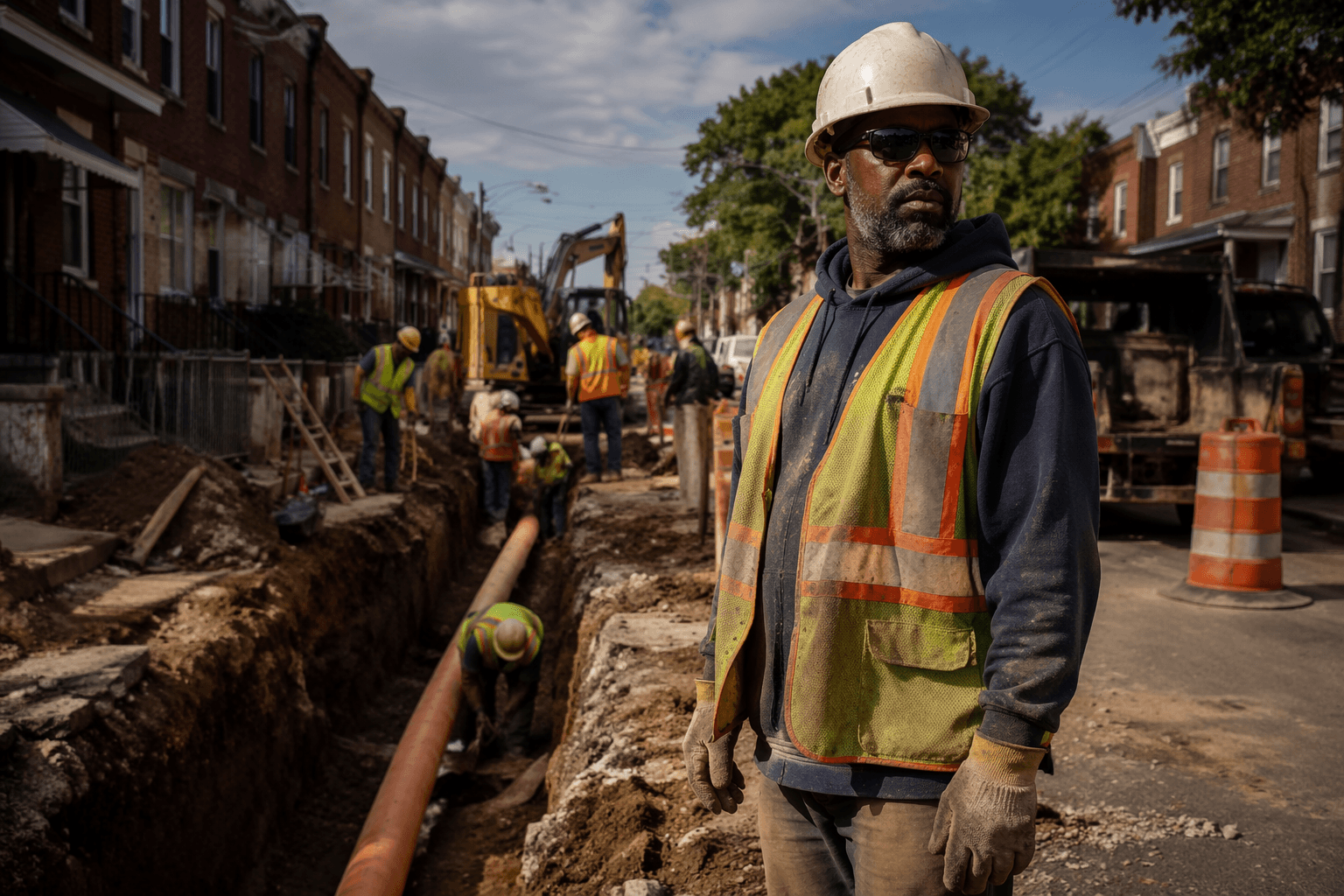
The conduit system matters because it carries segments of BGE electric distribution cables serving city customers, while Baltimore retains ownership and control. That gives the city leverage over an asset buried under its streets, but it also ties the system to decisions about reliability, road cuts and the pace of future utility work. The original structure replaced a century-old fee system that had brought Baltimore about $28 million a year for conduit maintenance, and the switch has been criticized ever since for shifting too much authority toward BGE over which projects are prioritized.
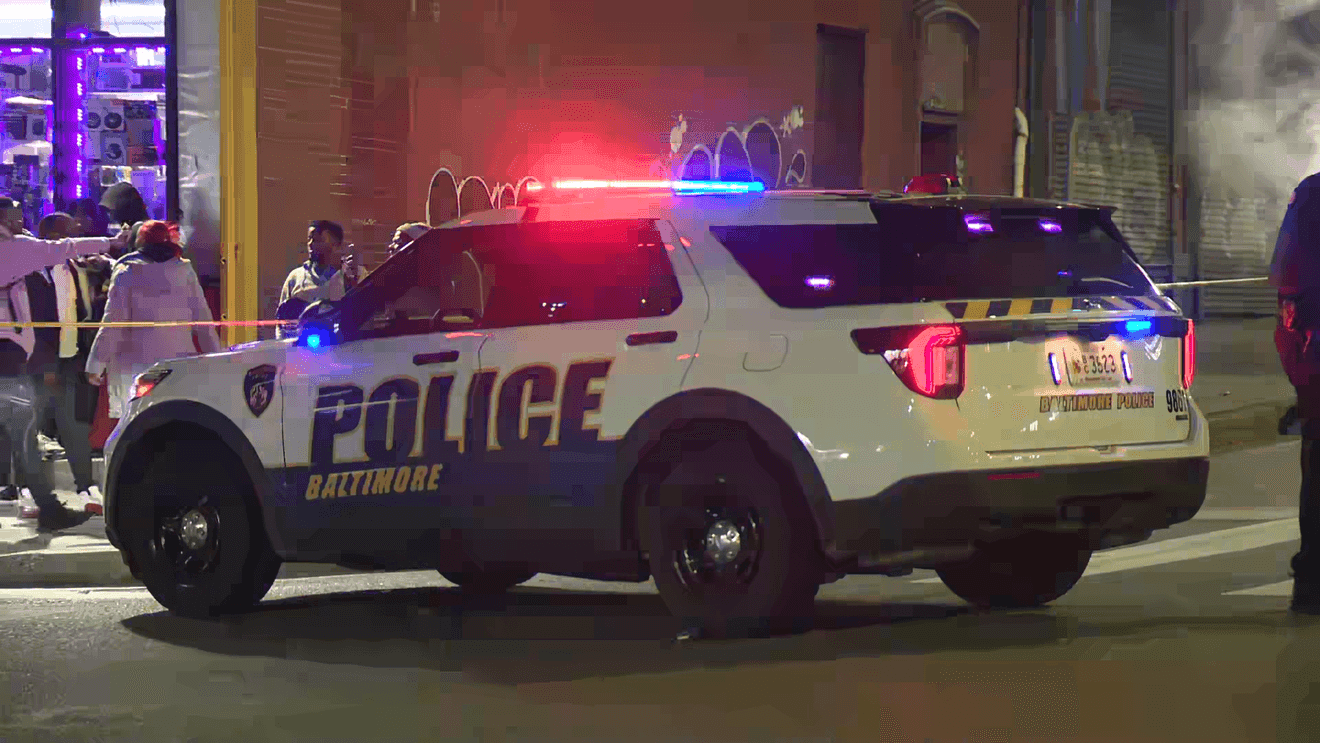
Safety concerns pushed the issue back to the front burner. At a Baltimore City Council hearing on March 3, 2026, council members pressed BGE, the Department of Transportation and the Fire Department over repeated underground fires on North Charles Street. Investigators cited overcrowded electrical and fiber-optic cables and a buildup of underground gases as the causes. WMAR reported that three underground fires struck the 300 block of North Charles Street in the previous two years, damaging Viva’s Bookstore and disrupting nearby businesses.
Councilman Mark Conway, who represents District 4, later called for the future of the agreement to be negotiated in public, not behind closed doors, arguing that the existing structure gives BGE too much say over project priorities. The Maryland Public Service Commission has also scrutinized conduit costs by ordering BGE to release an internal memo on the deal’s accounting treatment, and the Office of the People’s Counsel later argued that conduit-related spending could still flow back to customers through rates.
BGE said it remains committed to working with the city in whatever capacity is deemed appropriate to strengthen and modernize the infrastructure. With the renewal now off the table, the next phase will determine who controls the next round of upgrades beneath Baltimore’s streets, and who ultimately pays for them.
This article was produced by Prism’s automated news system from verified source data, official records, and press releases, then run through automated quality and moderation checks before publishing. The system is built and supervised by the people who set the standards it runs under. Read our full AI policy.
Know something we missed? Have a correction or additional information?
Submit a Tip