Baltimore police seek $656 million budget as homicides drop again
Police want $656 million as homicides keep falling, including May's first single-digit total in more than 50 years. Council members are pressing over overtime and staffing.
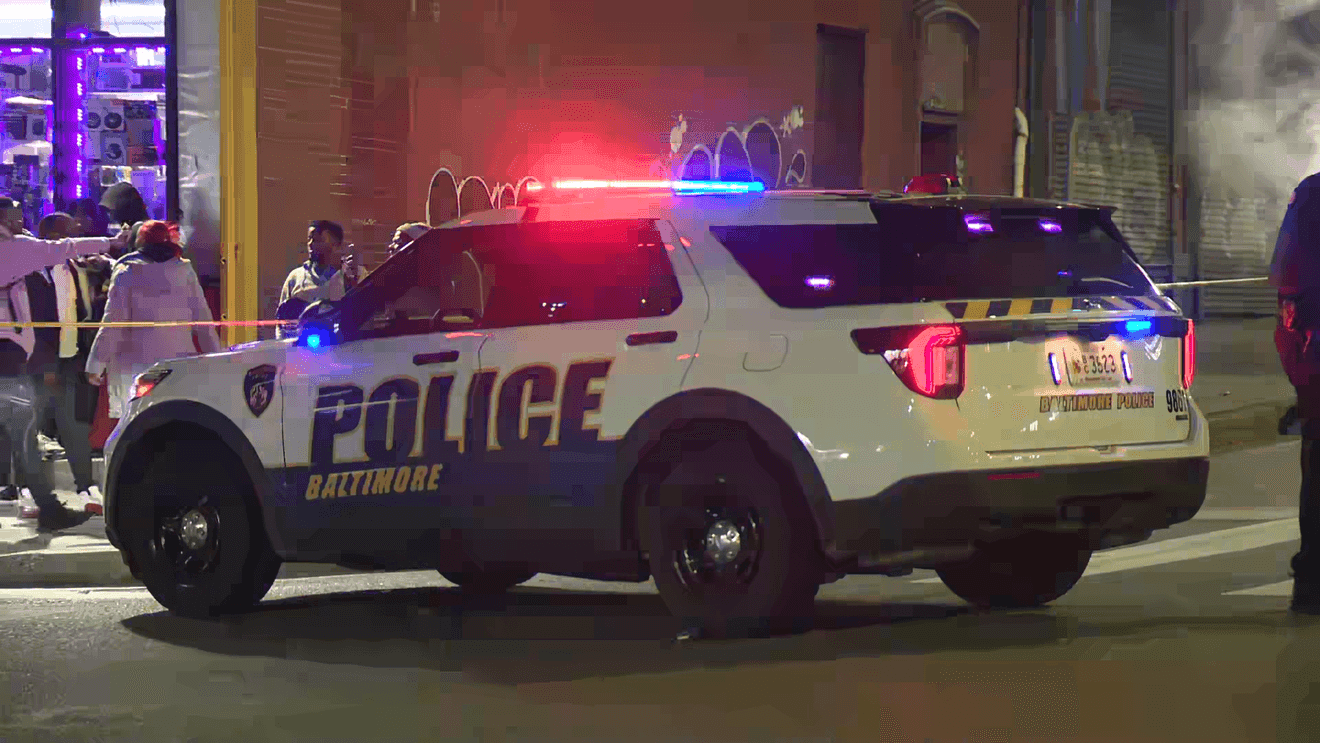
Baltimore police are asking for $656 million, the department’s largest budget in more than a decade, just as Commissioner Richard Worley says homicides have fallen another 24 percent and May ended with eight killings, the city’s first single-digit May total in more than 50 years.
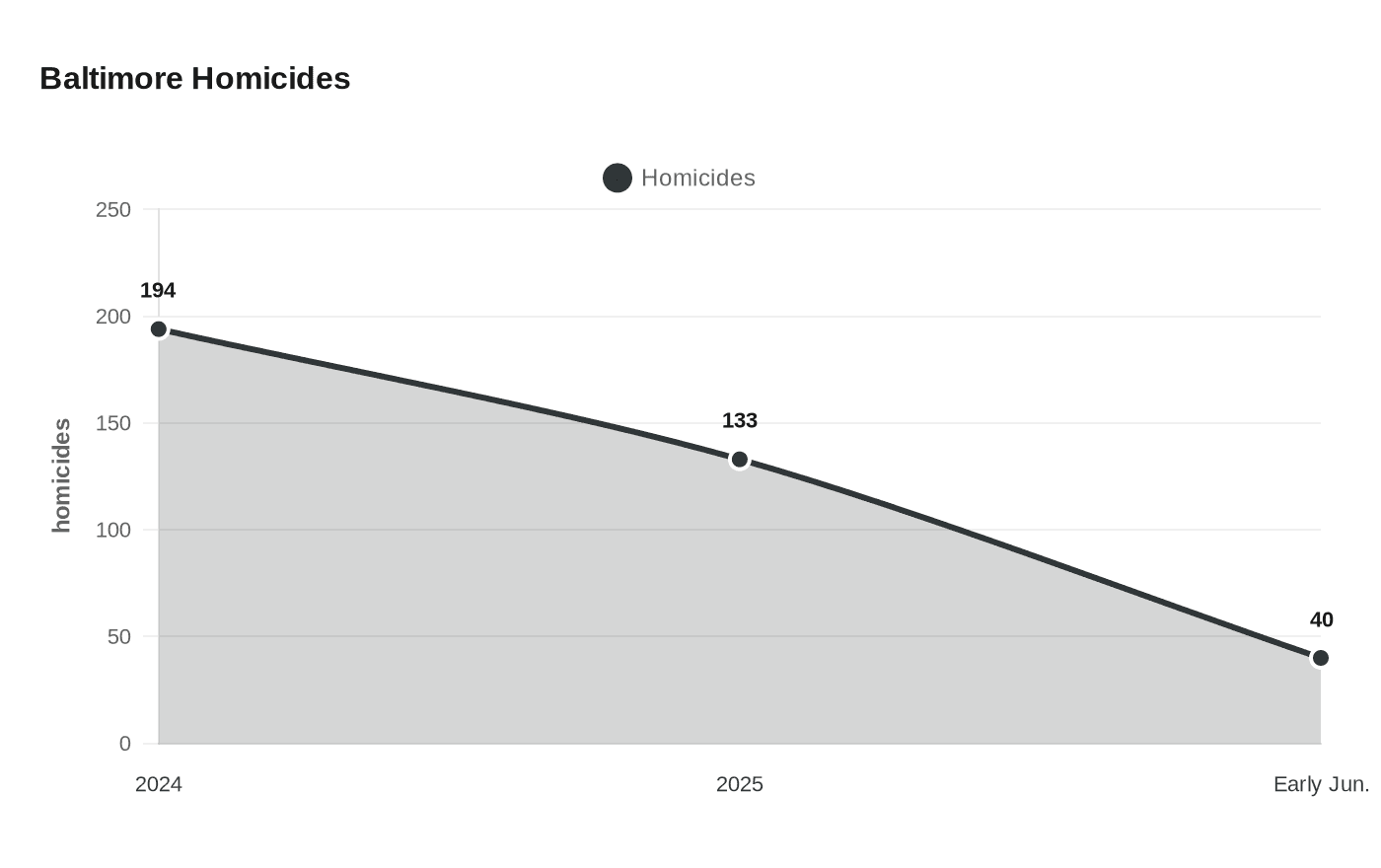
The request turned a City Council hearing into a test of whether Baltimore is getting enough in return for a bigger police bill. Worley pointed to the city’s continuing drop in violence, including 133 homicides in 2025, down from 194 in 2024, and 40 homicides and 120 non-deadly shootings recorded by early June 2026, about 23 percent below the same point a year earlier.
Councilman Isaac Schleifer praised Worley and tried to keep the department from being denied credit for the decline. But the tone in City Hall was not celebratory for long. Council members moved quickly to the questions that carry the most weight for taxpayers: overtime spending, staffing shortages and whether the department can translate lower violence into better day-to-day service.

That pressure lands in a city still wrestling with long-running police staffing problems. Baltimore officials said in 2023 that the department was short 489 officers, a gap that has limited reform and compliance efforts. Worley told council members the department is already going over budget on overtime, a warning that the cost of keeping the force functioning may climb even as the crime numbers improve.
The hearing also folded in another city fight that reaches beyond traditional policing. Council President Zeke Cohen called smoke shops a public-safety hazard and raised concerns about under-regulated products and deceptive practices. He and Councilman Antonio Glover have introduced legislation that would allow law enforcement to padlock repeat bad actors, and Worley said he would support it. The broader smoke-shop package announced by the council in October 2025 was designed to address the rapid spread of those businesses, reduce youth exposure and improve community safety.
Worley said enforcement is not handled by a special smoke-shop unit, but through district operations and active teams, often with help from federal, state and local partners. That makes the issue part policing, part licensing and inspections, and part interagency coordination.
Baltimore’s FY2026 city budget totaled $4.63 billion, a reminder of how much is already at stake in the city’s spending choices. The police department’s $656 million request now puts City Council in the middle of a larger question: whether Baltimore will reward falling homicide totals with a larger police budget, or demand tighter benchmarks on clearance, response times, overtime control and consent-decree compliance before signing off.
This article was produced by Prism’s automated news system from verified source data, official records, and press releases, then run through automated quality and moderation checks before publishing. The system is built and supervised by the people who set the standards it runs under. Read our full AI policy.
Know something we missed? Have a correction or additional information?
Submit a Tip