Baltimore mail ballot canvassing delayed by statewide printing error
Baltimore’s ballot canvassing stalled when too few replacement mail ballots arrived, raising new questions about whether the June 23 primary can be processed on time.

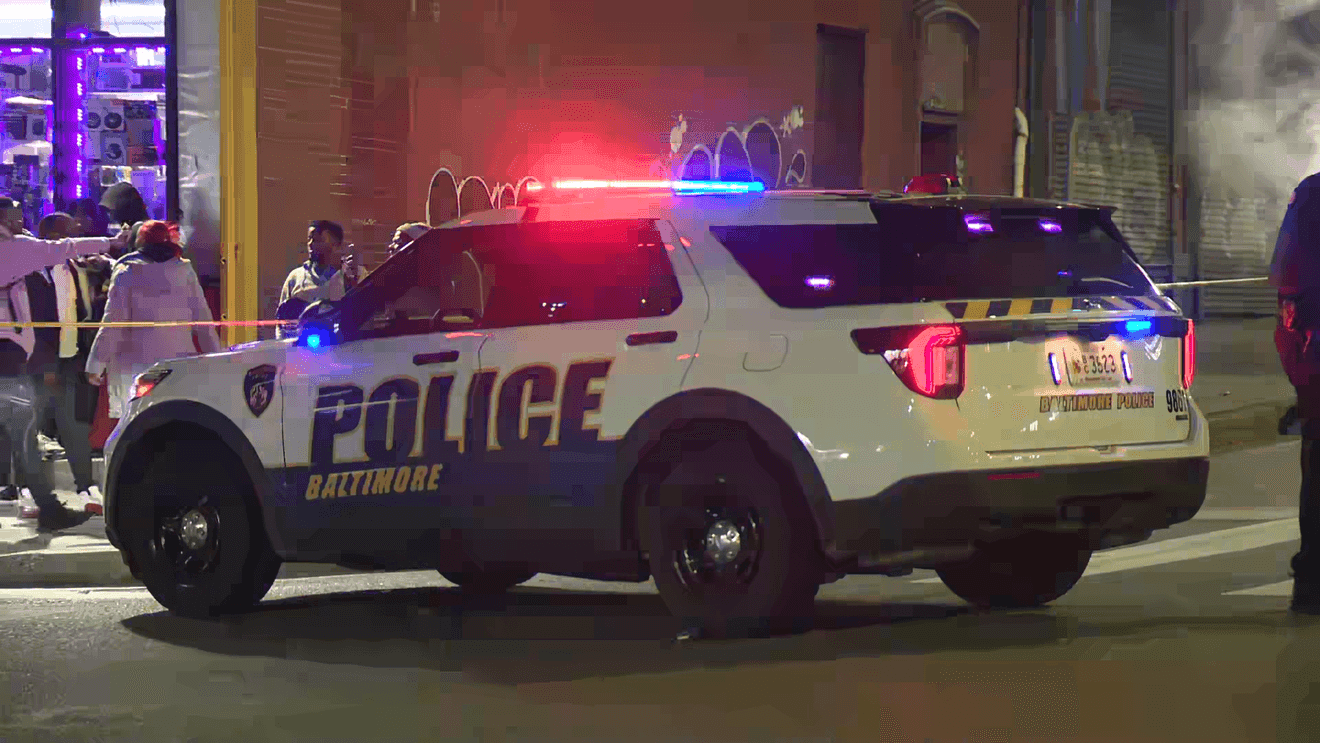
Baltimore election workers were ready to start canvassing mail ballots, but the count never got moving because the city did not have enough replacement ballots in hand. The Baltimore City Board of Elections opened its meeting and handled procedural steps, including checklists and zero reports, yet the real canvassing could not begin because the statewide printing error had left the office waiting on only a small trickle of ballots.
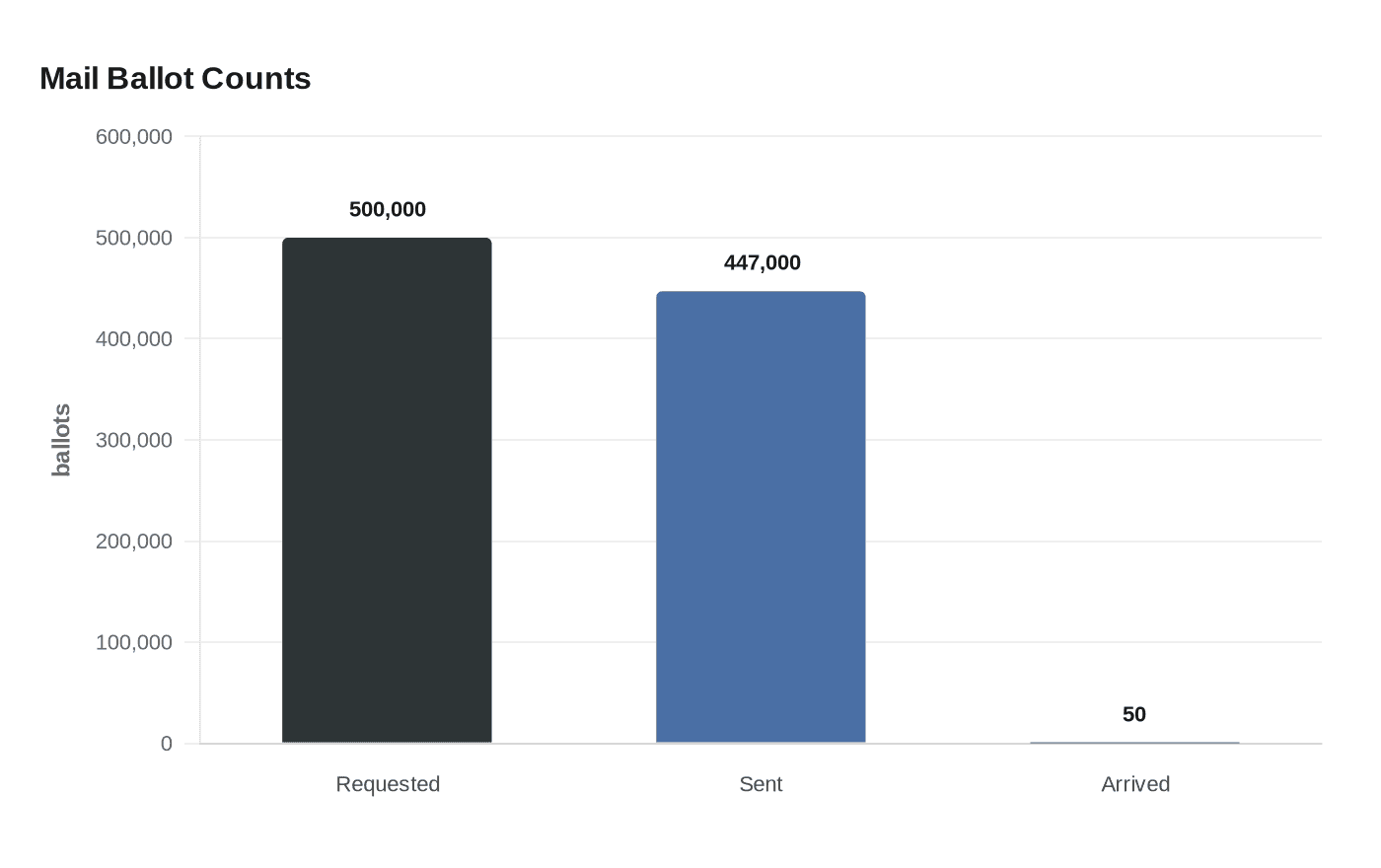
The delay came after Maryland election officials traced the problem to voters who were mailed a ballot before May 14, 2026. State officials said all affected voters were sent replacement ballots beginning May 22, and the replacement packets were produced starting May 19 with mailing scheduled to finish no later than May 29. Jared DeMarinis said Maryland had more than 500,000 voters requesting mail-in ballots, and WBAL reported that more than 447,000 replacement ballots had been sent.
Baltimore’s problem was practical, not theoretical. Officials had expected at least a day of delay because only about 50 replacement ballots had arrived when the canvassing operation was supposed to begin. That shortage meant staff could not feed enough envelopes into a process built to move fast. The machines used for canvassing can process up to 10,000 envelopes an hour, underscoring how unusual it was for the work to slow down because ballots were simply missing.
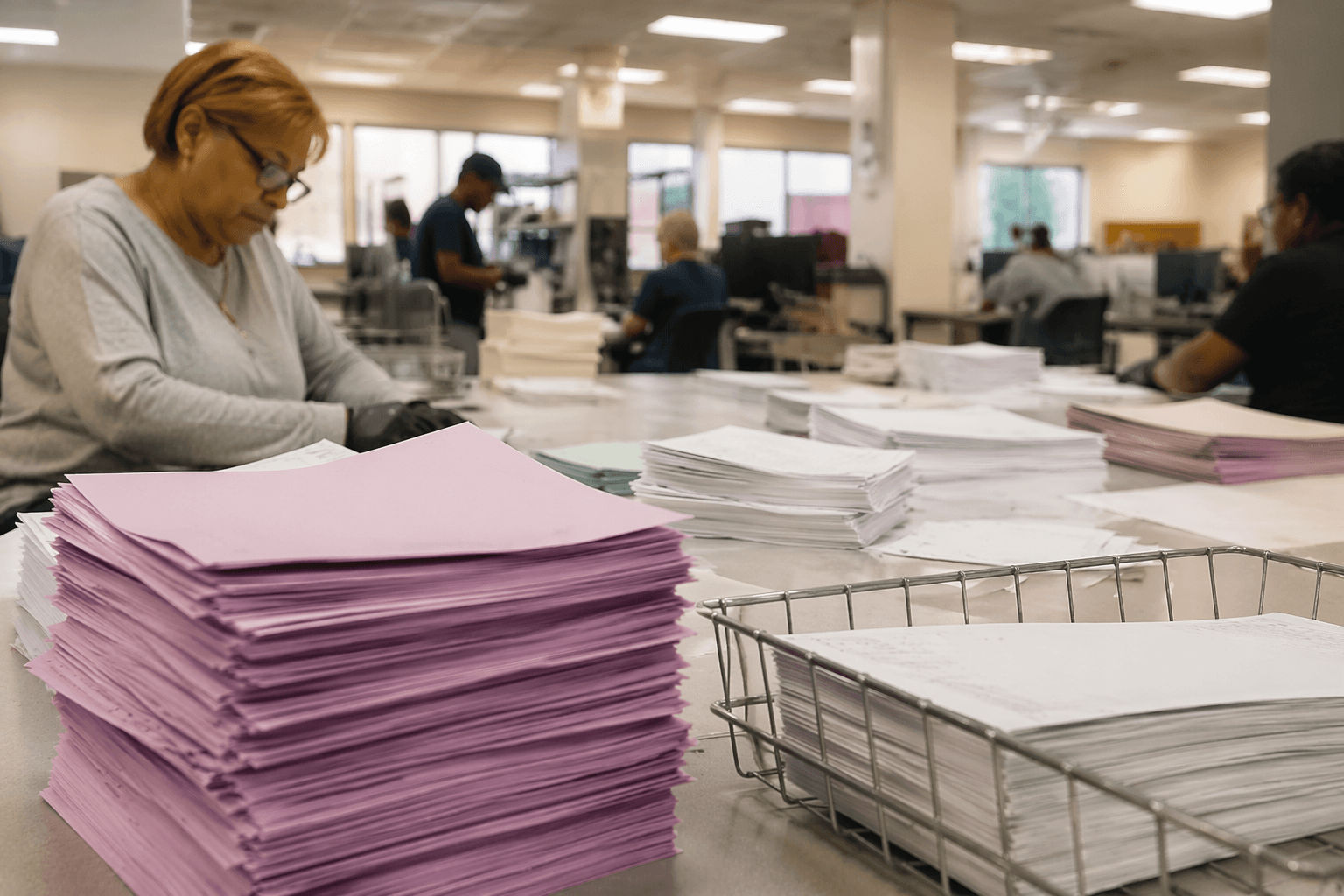
State election officials said the replacement system was designed to protect confidence and accuracy in mail voting. Voters were told to destroy the original ballot, sign the replacement envelope, and return the new ballot as soon as possible through a drop box or the postal service. If an original ballot arrives after a replacement ballot has already been submitted, the original will be voided and quarantined. If no replacement ballot is received, the original ballot may still be counted if it matches the voter’s party affiliation on record.
The shortage has also pushed the larger election system into sharper view as the Maryland gubernatorial primary approaches on June 23, 2026. The vendor behind the error could not identify which voters received correct ballots and which received incorrect ones, so the state resent ballots to all mail-in voters who requested them by mail.
The fallout has extended beyond Baltimore. WBAL reported that Donald Trump called for a U.S. Department of Justice investigation, and that the state received a document-preservation request from federal prosecutors. Maryland officials also said they had received letters from the House Administration Committee and U.S. representatives, while the Maryland Freedom Caucus pressed for a federal audit. In Baltimore, though, the immediate issue remained the same: canvassing could not proceed at full speed until enough ballots reached the warehouse to be processed.
This article was produced by Prism’s automated news system from verified source data, official records, and press releases, then run through automated quality and moderation checks before publishing. The system is built and supervised by the people who set the standards it runs under. Read our full AI policy.
Know something we missed? Have a correction or additional information?
Submit a Tip