Baltimore launches mural initiative to replace graffiti and beautify neighborhoods
Crews began cleaning graffiti along the Jones Falls Expressway as Baltimore revived a mural strategy meant to do more than brighten walls.

Baltimore has started a new graffiti clean-up push along the Jones Falls Expressway and in other parts of the city, pairing removals with community murals in an effort officials say is meant to make blocks look cleaner and more welcoming.
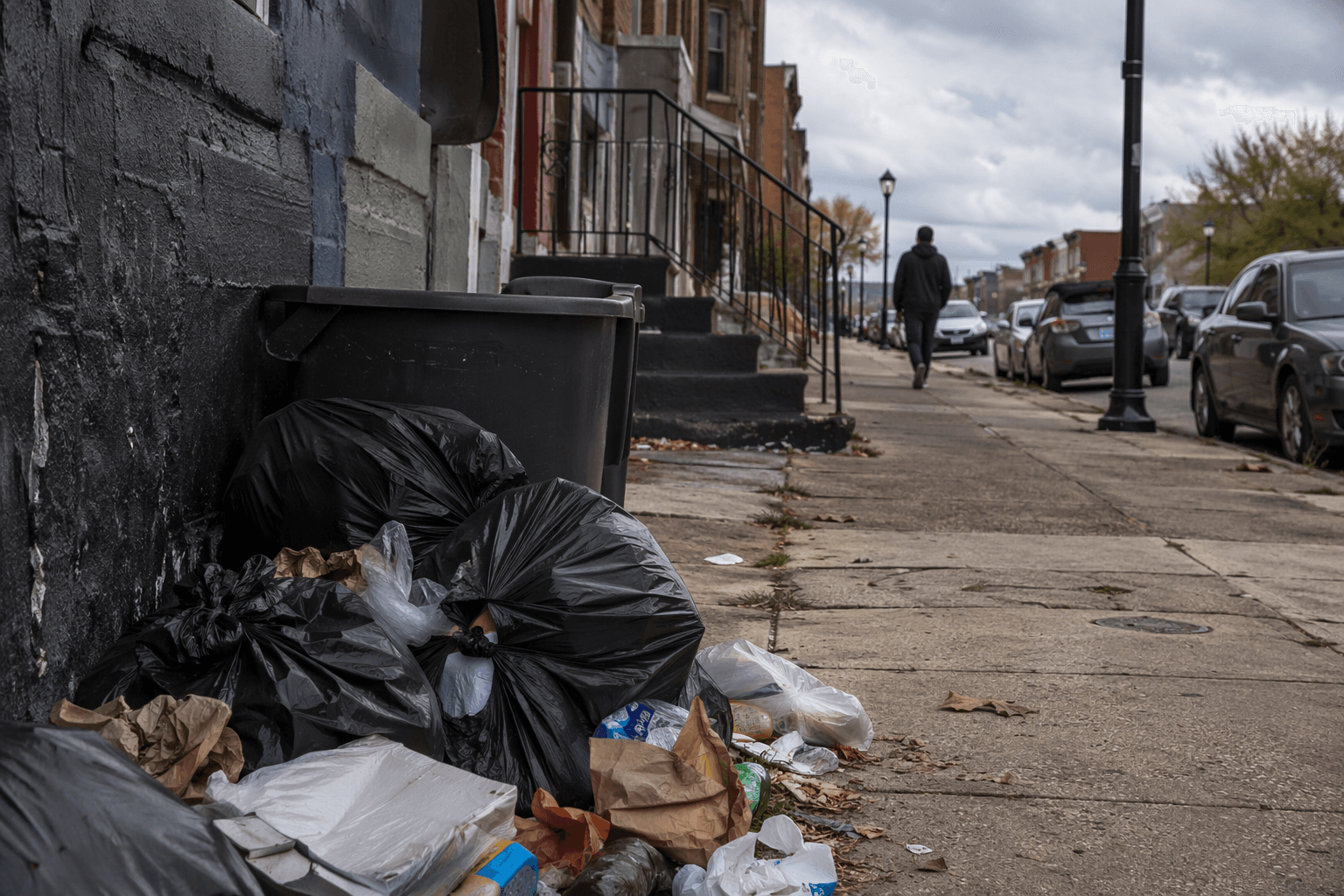
The work began over the past couple of weeks and fits into a broader citywide effort to address blight, not just isolated tags. City cleaning work already runs through Clean Corps, a multi-agency initiative led by the Baltimore City Department of Planning and operated with Civic Works and Bon Secours Community Works. That program works in 42 underinvested neighborhoods and handles illegal dumping, litter, overgrown grass and weeds, vacant lots, alleys, sidewalks, tree pits and public trash cans.
Baltimore is not starting from zero. The city’s mural program dates to 1975, when Baltimore’s arts infrastructure was built around a public-art strategy that aimed to make neighborhoods more attractive, instill pride, provide work for local artists, combat graffiti and engage young people in beautifying their own communities. Today, that effort is coordinated through Create Baltimore and the Baltimore Office of Promotion and the Arts, which maintains a Muralist Registry that community representatives can use when selecting artists for city-commissioned work.
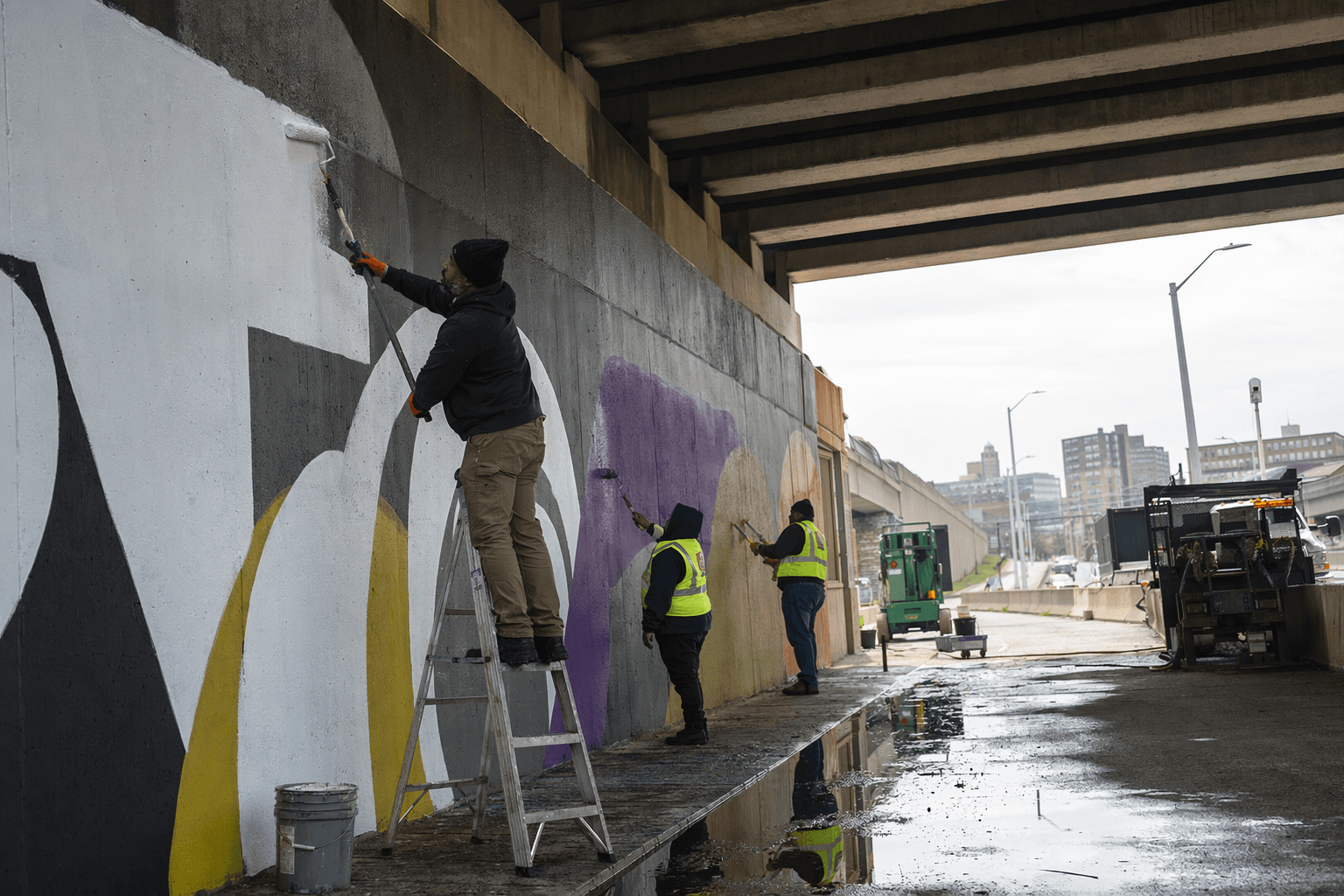
Open Baltimore’s Baltimore City Mural Project dataset documents more than 250 murals around the city, underscoring how deeply public art is already woven into Baltimore’s streetscape. A 2021 arts analysis found that nearly half of the murals in the city’s mural-program map featured nature imagery or environmental justice themes, a sign that many of the city’s wall-sized artworks are tied to neighborhood identity as much as decoration.
That history matters now because the new cleanup effort will be judged by more than how fresh a wall looks after crews leave. If the city is using murals as an anti-graffiti tool, the key questions will be whether the right artists are selected, whether local artists are paid, whether tagged surfaces stay clean, and whether commercial corridors and residential blocks see real improvement that nearby businesses and residents can feel. For now, Baltimore is betting that the same public-art network that helped define the city can also help stabilize the look and feel of its streets.
This article was produced by Prism’s automated news system from verified source data, official records, and press releases, then run through automated quality and moderation checks before publishing. The system is built and supervised by the people who set the standards it runs under. Read our full AI policy.
Know something we missed? Have a correction or additional information?
Submit a Tip