Hopkins Advances $192 Million East Baltimore Data Center Amid City Debate
Hopkins' 3,786-square-foot Bayview computing site is set for a $192 million expansion just as Baltimore weighs a one-year data center pause.
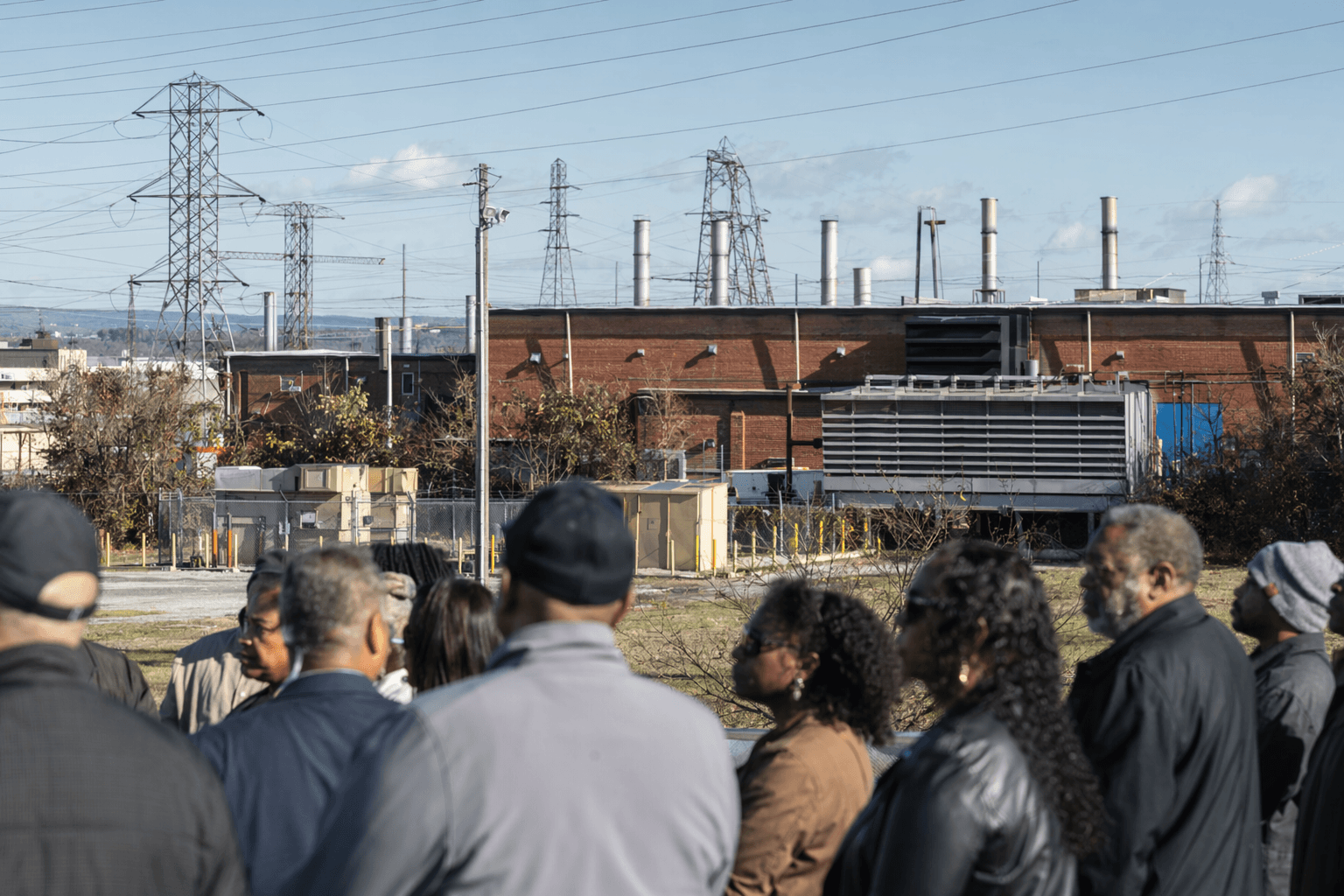
Johns Hopkins University is pressing ahead with a $192 million data science and computing center in East Baltimore even as Baltimore leaders weigh whether to put large data centers on hold citywide. The project at 5400 E. Lombard St. sits on the Johns Hopkins Bayview Medical Center campus, in a part of East Baltimore shaped by highways, rail lines and major institutions more than rowhouse blocks.
That location is now at the center of a larger Baltimore fight over what counts as a data center, who benefits from the investment, and who absorbs the costs. The Baltimore City Council is considering a one-year moratorium on new facilities drawing 10 megawatts or more, a proposal introduced by Council President Zeke Cohen in March and advanced out of committee on May 7. Supporters have said the pause is meant to give the city time to catch up on code, energy and water questions before more projects move forward.
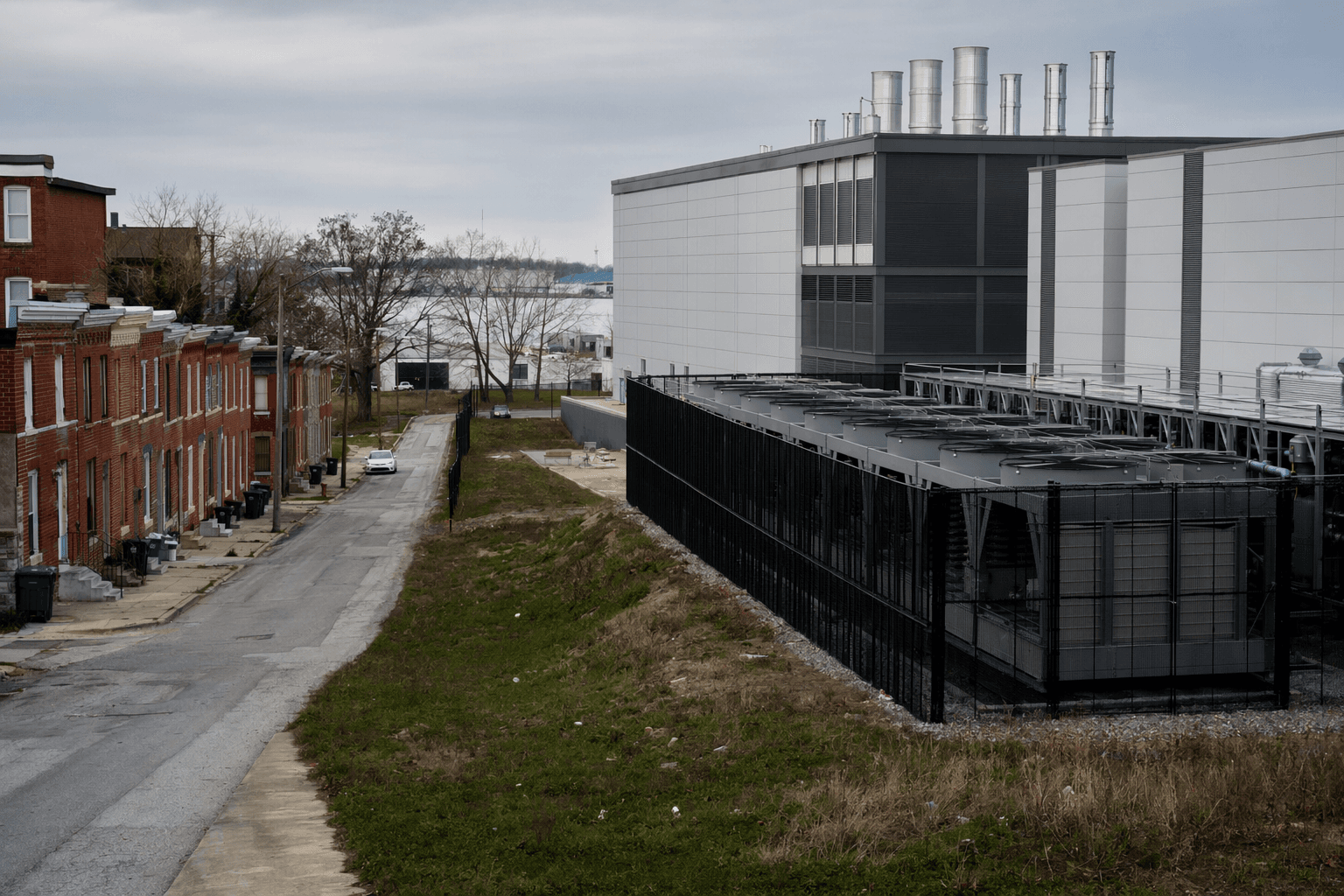
Hopkins says its Bayview facility is not a speculative build-out but an expansion of an existing research asset that opened in 2015. The current site is 3,786 square feet; the planned expansion would add about 25,000 square feet. The university has said the project is meant to meet current and future research demand across Hopkins, not to create a stand-alone commercial data center.
The original 2015 effort, then called MARCC, was backed by $30 million in state funding and billed as one of the nation’s largest academic high-performance computing centers. Hopkins renamed it ARCH, short for Advanced Research Computing at Hopkins, in 2021. The university now describes ARCH as a shared computing facility that provides high-performance computing, data storage and support for machine learning, artificial intelligence and other data-heavy research. Hopkins also says its research network uses a 200-gigabit backbone linking Homewood, East Baltimore and ARCH, underscoring how deeply the system is woven into the university’s research infrastructure.
That is why the Bayview project may move ahead even if other proposals are slowed. City lawmakers and neighborhood advocates have focused on energy costs, water resources, environmental impacts and land use, especially as data centers begin to resemble hospital, utility or research buildings while carrying the same demand for power and cooling. Community and advocacy groups have already organized against Hopkins’ broader Data Science and Artificial Intelligence Institute plans at Homewood, including concerns tied to development pressure in neighborhoods such as Wyman Park and Remington.
The Bayview project now sits at the crossroads of science, zoning and city politics. As Baltimore debates whether to pause new data centers, Hopkins is arguing that its East Baltimore expansion belongs in a different category, and that distinction could shape how the city handles the next wave of AI-era infrastructure.
This article was produced by Prism’s automated news system from verified source data, official records, and press releases, then run through automated quality and moderation checks before publishing. The system is built and supervised by the people who set the standards it runs under. Read our full AI policy.
Know something we missed? Have a correction or additional information?
Submit a Tip