Baltimore man pleads guilty in fentanyl, gun trafficking case
A northwest Baltimore parking lot known as the panyard led agents to fentanyl, a stolen gun and $1,549 in cash, federal prosecutors said.
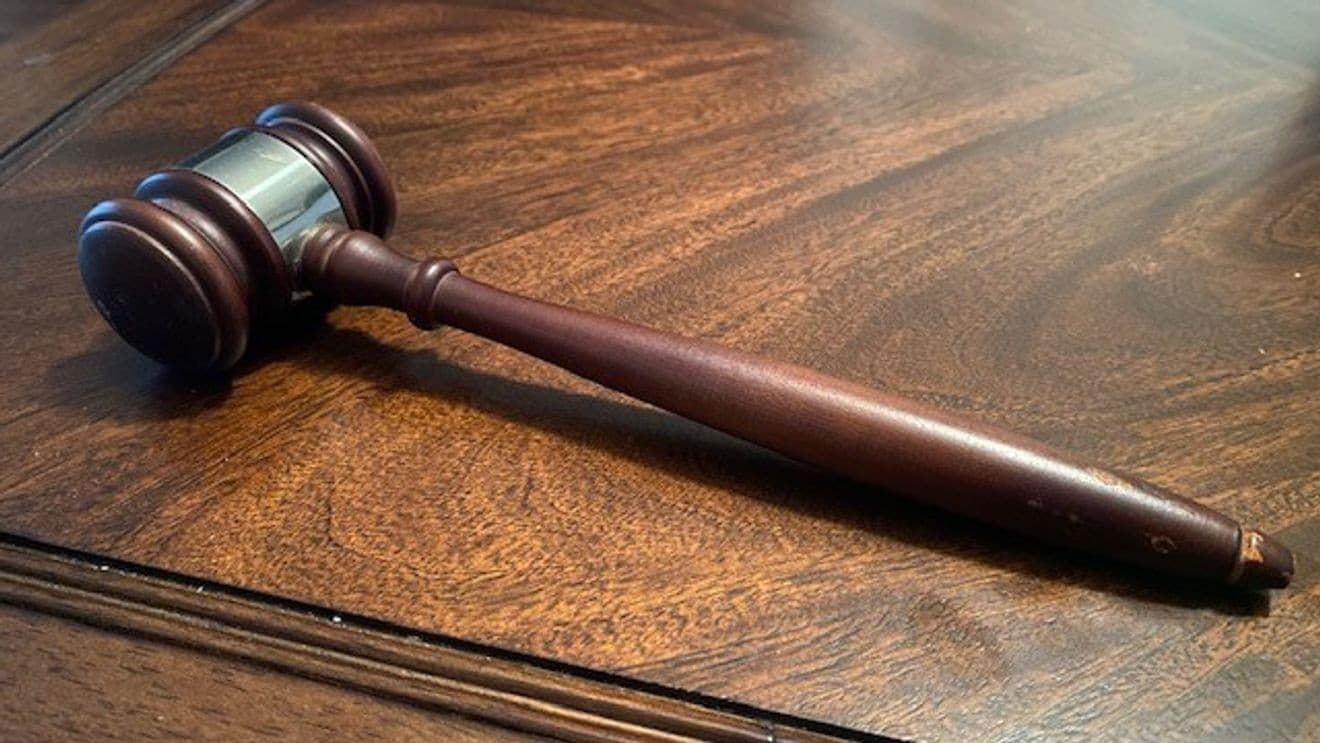
A stolen handgun, a loaded magazine and bags of fentanyl, cocaine and cocaine base turned a northwest Baltimore parking lot known as the panyard into the center of a federal case that prosecutors say links street-level drug dealing with the city’s gun violence.
Davon Taylor, 35, pleaded guilty in federal court on May 27 to possession with intent to distribute controlled substances and possession of a firearm in furtherance of drug trafficking. He also admitted that the offense violated the conditions of his federal supervised release, which had been imposed after a prior conviction for conspiracy to distribute controlled substances.
Investigators said Taylor was under surveillance on April 9, 2025, as agents watched what they believed were hand-to-hand drug transactions at the panyard, a large northwest Baltimore parking lot that has become familiar to law enforcement looking for repeat trafficking activity. Agents saw Taylor arrive, engage in the exchanges, then pull an object from his waistband and place it inside a pizza box on top of a recycling bin. When officers moved in, they recovered a handgun with a loaded magazine containing 12 live rounds. The gun had been reported stolen in May 2022.

The search also turned up a bag containing plastic bags filled with numerous vials and jugs of fentanyl, cocaine and cocaine base, along with a digital scale coated with white residue. Taylor was carrying $1,549 in cash, prosecutors said. Taken together, the evidence pointed to a small but dangerous pipeline that tied narcotics, cash and firearms to a public place in Baltimore where residents and businesses are left to absorb the fallout.
U.S. Attorney Kelly O. Hayes announced the plea with Charles Doerrer, special agent in charge of the Bureau of Alcohol, Tobacco, Firearms and Explosives, and Baltimore Police Commissioner Richard Worley. Prosecutors said the case was pursued under Project Safe Neighborhoods, the federal anti-violence initiative aimed at reducing violent crime and gun crime through cooperation between law enforcement and community partners.
Taylor now faces significant prison time. The drug charge carries a maximum sentence of 20 years. The firearm count carries a mandatory minimum of five years in prison, to run consecutively, and a maximum of life. The supervised-release violation adds up to two more years. For Baltimore neighborhoods already strained by fentanyl and guns, the plea marks one more disruption of an open-air market, but not a final answer to the conditions that let it keep resurfacing.
This article was produced by Prism’s automated news system from verified source data, official records, and press releases, then run through automated quality and moderation checks before publishing. The system is built and supervised by the people who set the standards it runs under. Read our full AI policy.
Did this article answer your question?