Baltimore targets illegal dumping and potholes in citywide cleanup sprint
Baltimore is spending millions to chase the same dumped trash and potholes, with crews in Park Heights and Oliver finding the problem hidden in plain sight.
Baltimore’s latest cleanup push came with a hefty price tag: city officials said illegal dumping costs about $10 million a year, money they say could otherwise go to roads, parks and other priorities instead of repeat cleanup. The city paired that complaint with a broad sprint to fix potholes, sweep streets and strip away trash before summer, while crews again worked the same neighborhoods where residents say the mess keeps coming back.
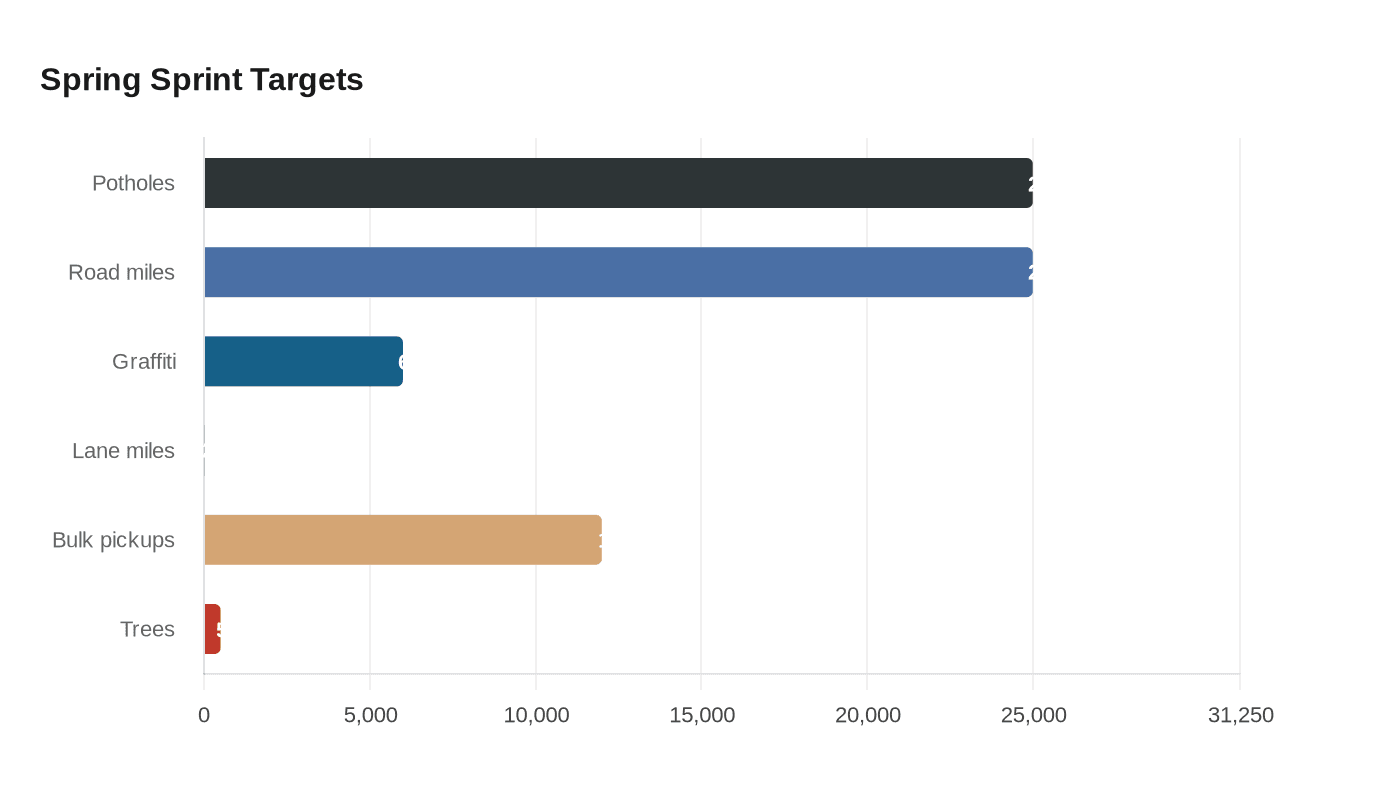
Mayor Brandon M. Scott joined cleanup crews in Park Heights and Oliver as part of the city’s 90-Day Spring Sprints, which set a target of filling 25,000 potholes, resurfacing 25 lane miles, removing 6,000 graffiti markings, sweeping 25,000 road miles, completing 12,000 bulk pickups and cleaning and cutting 500 trees. The city also scheduled a Spring Cleanup and Day of Service for Saturday, April 25, from 9 a.m. to 1 p.m., with residents, volunteer groups and community associations able to register through 311.

At one site, crews found dumped items hidden in the woods behind a business, a reminder that the problem is not limited to alleys and vacant lots. Barbara Burtess, who has lived in her home since 1986, said she was glad to see the area behind her property finally cleared after years of frustration. Council Vice President Sharon Green Middleton called the dumping behind the business ridiculous and said the owner appeared to respect the community even as the surrounding area had been damaged by trash.
The city’s housing department says illegal dumping means waste left on public or private property without the owner’s knowledge or consent. Officials say it can create health risks, fire hazards, flooding and reduced quality of life, and they tell residents to call 911 if dumping is happening in progress and then file a 311 report. The Special Investigation Unit uses 311 complaints, proactive inspections and surveillance cameras to investigate, and city code allows penalties of up to $50,000 in fines, up to five years in prison, vehicle forfeiture and restitution for cleanup costs.
The cleanup effort also exposes how much Baltimore still spends on sanitation problems it keeps trying to prevent. Another city spending breakdown for fiscal 2024 put the cost of illegal dumping, street sweeping and graffiti removal at more than $26 million. A 2023 ordinance also directed the Department of Public Works to study whether closing part of North Franklintown Road through Leakin Park would deter dumping, a sign that officials have been treating the same trouble spots as a structural problem, not a one-day nuisance.
This article was produced by Prism’s automated news system from verified source data, official records, and press releases, then run through automated quality and moderation checks before publishing. The system is built and supervised by the people who set the standards it runs under. Read our full AI policy.
Did this article answer your question?