West Baltimore residents blast Tuerk House zoning plan for former Walgreens site
West Baltimore neighbors say they were blindsided by Tuerk House’s plan for the former Walgreens on Martin Luther King Jr. Boulevard, then rattled as the proposal kept changing.

A former Walgreens at 300 Martin Luther King Jr. Boulevard has become the center of a bitter West Baltimore zoning fight, after neighbors said they first noticed a sign in March and realized Tuerk House was seeking approval for a major new use on their block.
What began as a proposal described as a residential care facility for 17 or more residents soon drew deeper suspicion. Residents said the plan shifted several times during community meetings, with one version framed as treatment space, another stressing there would be no drug treatment on site, and later materials showing a pharmacy and an urgent care space open to the public. Tuerk House also planned to buy an adjacent office building for administrative offices, a detail that only intensified worries that the neighborhood was being asked to absorb more than it had been told.
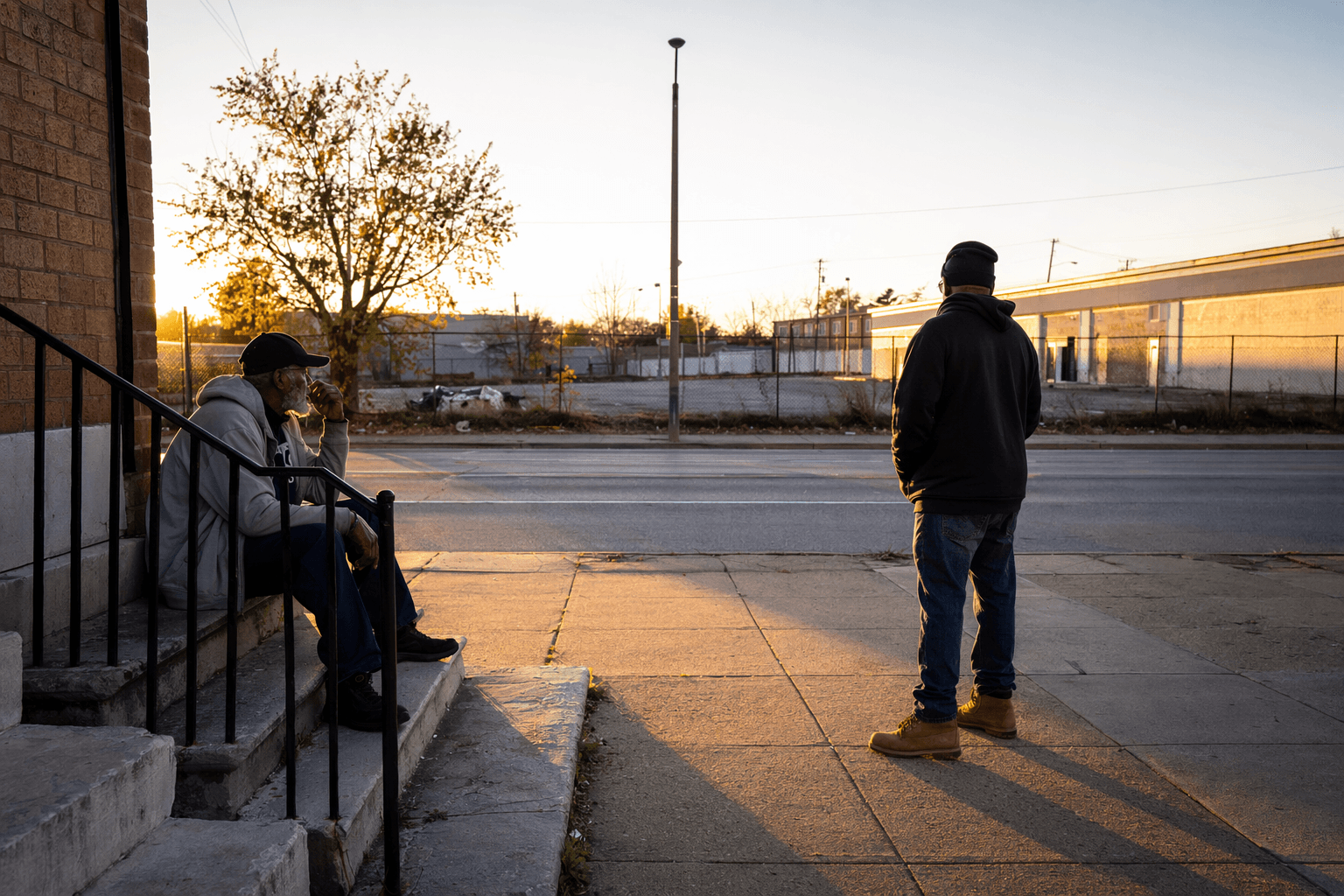
The dispute is moving through the Baltimore City Board of Municipal and Zoning Appeals, where land-use approvals and variances are taken up in a process that can shape what gets built block by block. In the room, the tone was angry and distrustful. West Baltimore resident Terrence Artis said the community had not been valued or consulted, and other residents questioned why urgent care would be needed so close to the University of Maryland’s downtown campus.
Tuerk House CEO Bernard Gyebi-Foster told residents the organization wanted to be a partner and did not want to force anything on the neighborhood. That reassurance did little to settle the room, where years of neighborhood frustration over disinvestment, vacant buildings and city decision-making were already close to the surface.
The stakes in Baltimore are unusually high because the city’s overdose crisis has been so severe. A Baltimore City Health Department workgroup formed to address the tension between treatment access and neighborhood concerns said 393 people died from overdose in Baltimore in 2015, more than from homicide. That same workgroup said treatment access must be balanced with legal protections under the Americans with Disabilities Act, the Fair Housing Act and the Rehabilitation Act.
Tuerk House, which has served Baltimore since 1970 and says it serves nearly 300 patients a day, has also been expanding elsewhere with major public backing. In August 2024, Baltimore awarded the organization $5 million from opioid settlement funds for its Exeter project, a $24 million demolition and renovation effort on Exeter Street expected to be completed in 2026. The project was described as including 22 beds for pregnant mothers, 22 beds for adolescents, 40 crisis stabilization beds and a dental clinic.
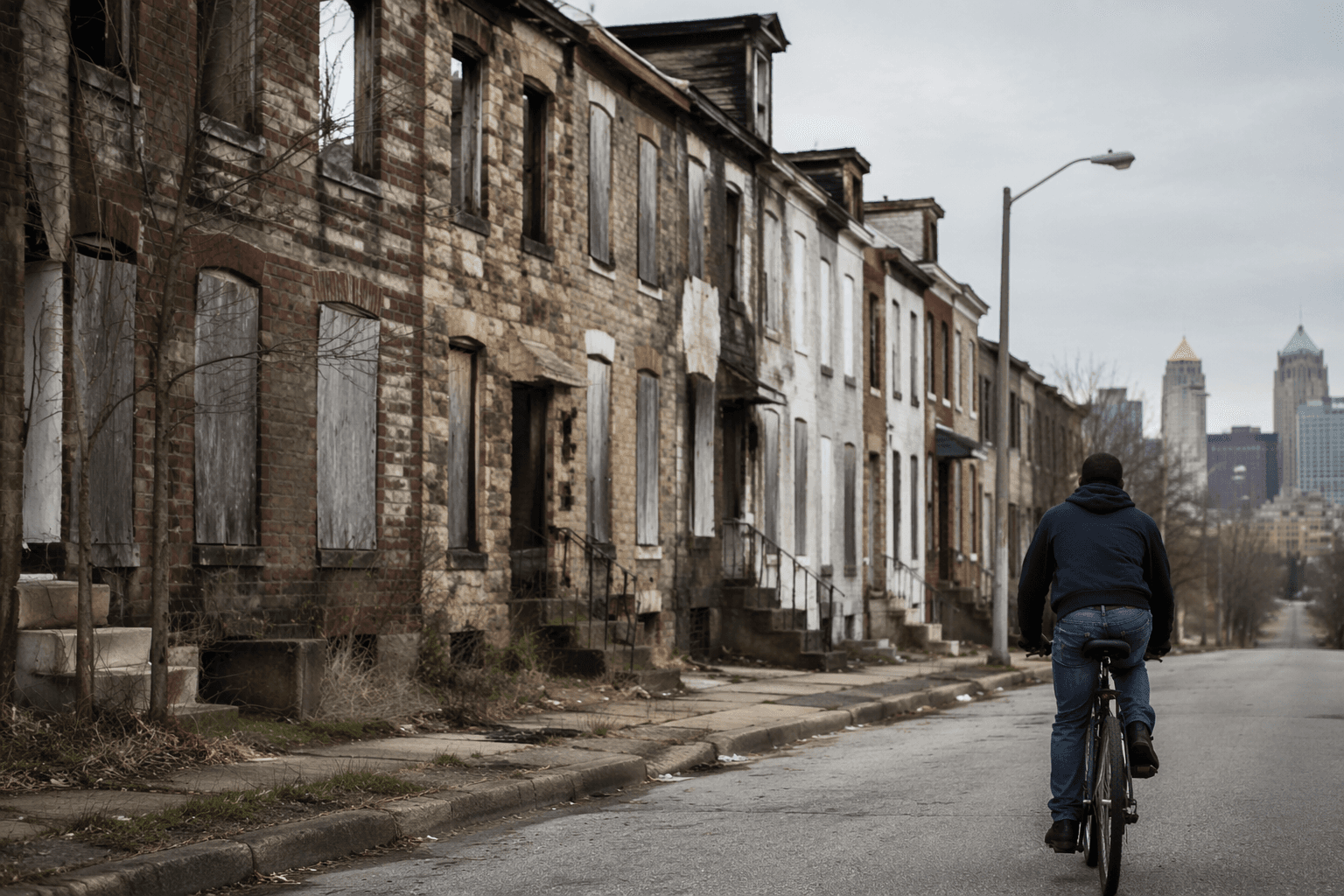
The geography adds another layer to the fight. Baltimore Heritage says Martin Luther King Jr. Boulevard was completed in 1982, and Heritage Crossing opened in 2002, after major redevelopment reshaped the corridor. In a city still balancing treatment capacity against neighborhood trust, the battle over 300 Martin Luther King Jr. Boulevard has become a test of whether a longtime provider can win consent before another institution lands on a block already wary of being surprised.
This article was produced by Prism’s automated news system from verified source data, official records, and press releases, then run through automated quality and moderation checks before publishing. The system is built and supervised by the people who set the standards it runs under. Read our full AI policy.
Did this article answer your question?