Bates says juvenile reporting fight threatened Baltimore violent crime funding
Roughly $500,000 tied to Baltimore prosecutors was briefly at risk, and Bates says losing it could have meant fewer homicide lawyers and fewer violent cases.
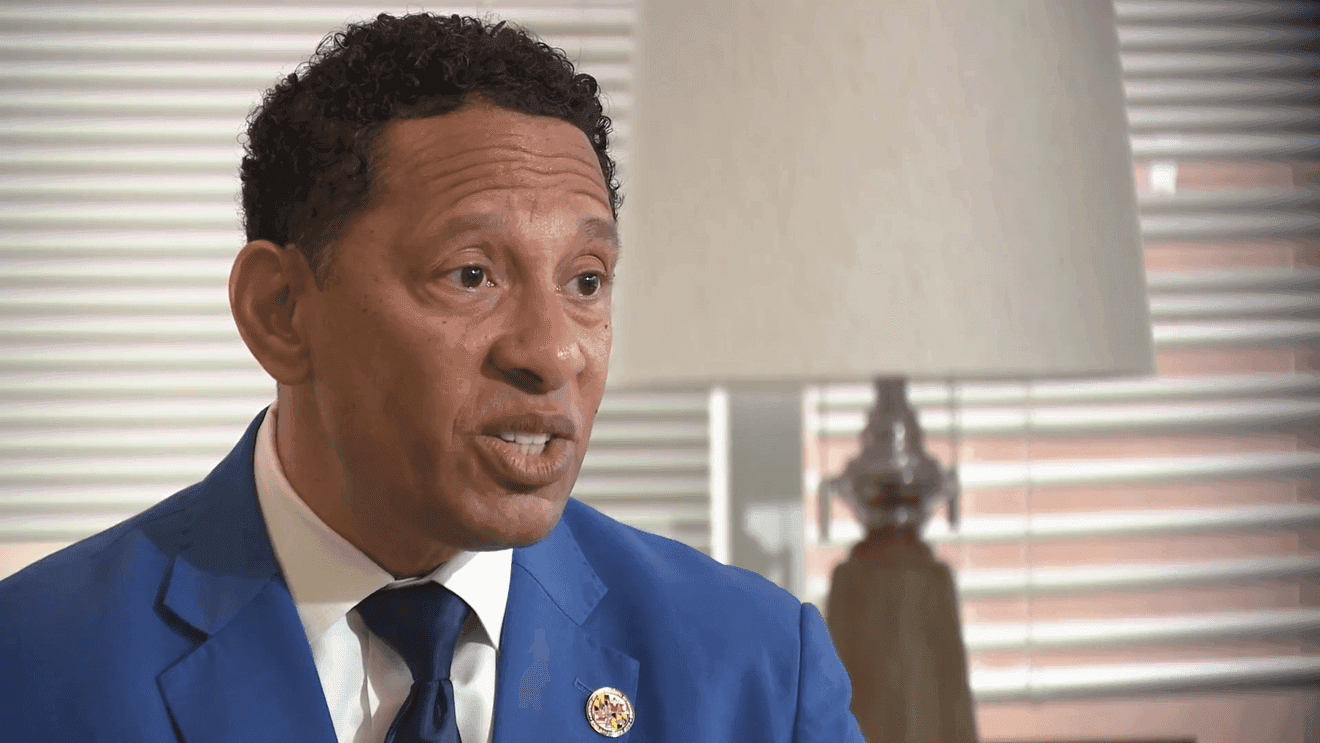
Roughly $500,000 tied to Baltimore’s violent-crime work was briefly at risk unless Ivan Bates’ office complied with a statewide juvenile reporting demand, a fight that showed how much leverage Annapolis can hold over the city’s prosecutors.
Bates said the threatened money was part of a $1.7 million grant connected to the Baltimore City State’s Attorney’s Office’s broader work, not just juvenile matters. He said the office learned about the issue about three weeks before the discussion and did not have the data the reporting requirement sought. If the money had been withheld, Bates warned, it could have meant fewer prosecutors and fewer cases handled, including homicide work in Baltimore City.
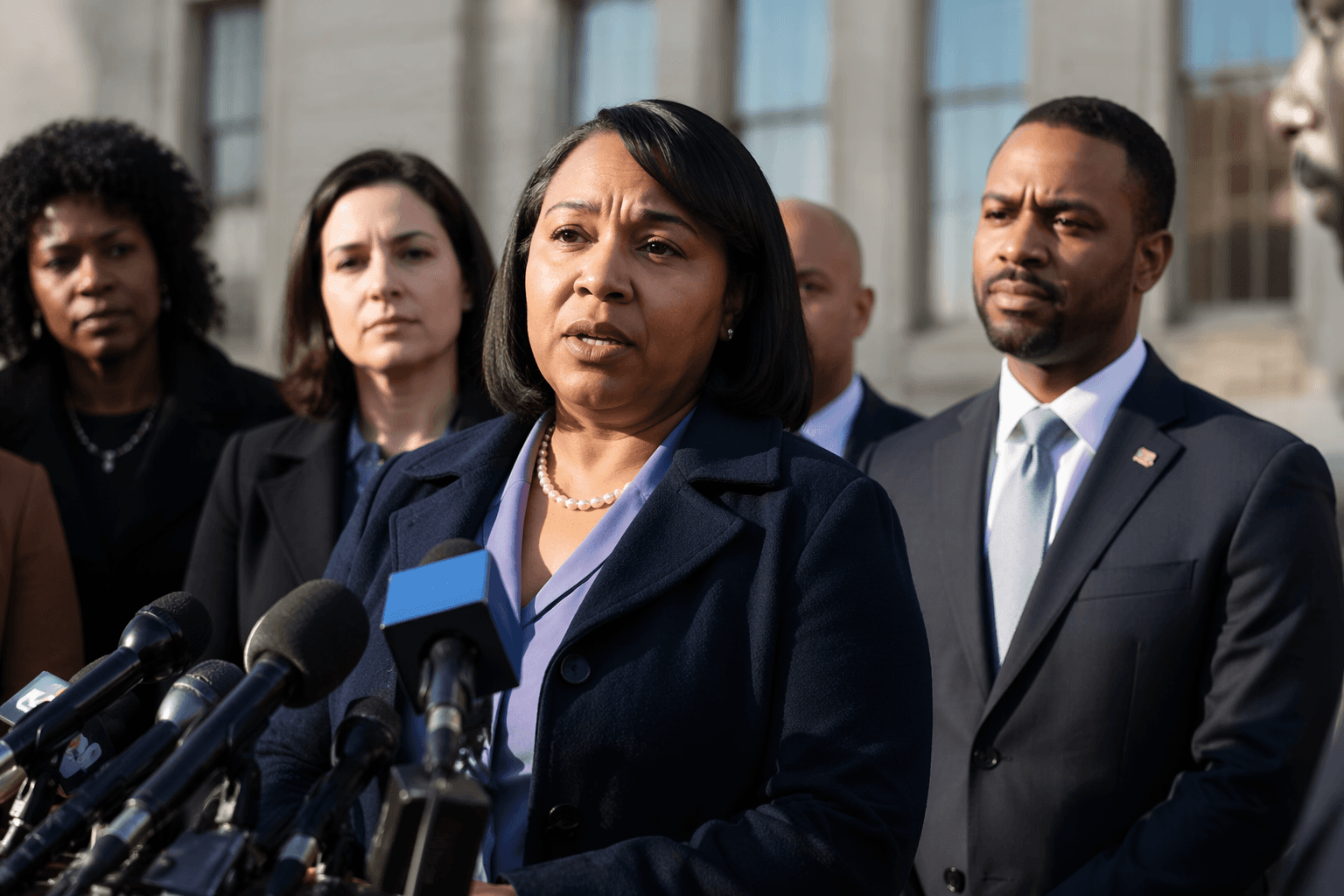
The state money did not disappear, Bates said, after he raised the issue with Senate President Bill Ferguson and the Governor’s Office. But the episode laid bare a larger struggle over who controls juvenile justice policy and how much it can reach into Baltimore’s courtroom staffing, especially when prosecutors are already trying to keep pace with violent cases.
That fight sits inside the rollout of the Youth Charging Reform Act, SB323, which Gov. Wes Moore signed on May 26, 2026. Sponsored by Sen. Will Smith of Montgomery County, the law ends automatic adult charging for some juveniles accused of offenses including first-degree assault and some drug and weapons charges, sending those cases into juvenile court first. The measure takes effect Oct. 1, 2026, applies only prospectively, and carries reporting requirements that the General Assembly says could help Maryland avoid the loss or restricted use of federal grant funding beginning in fiscal 2030 or earlier. The fiscal note also says general fund spending for State’s Attorneys’ offices could rise significantly starting in fiscal 2027.
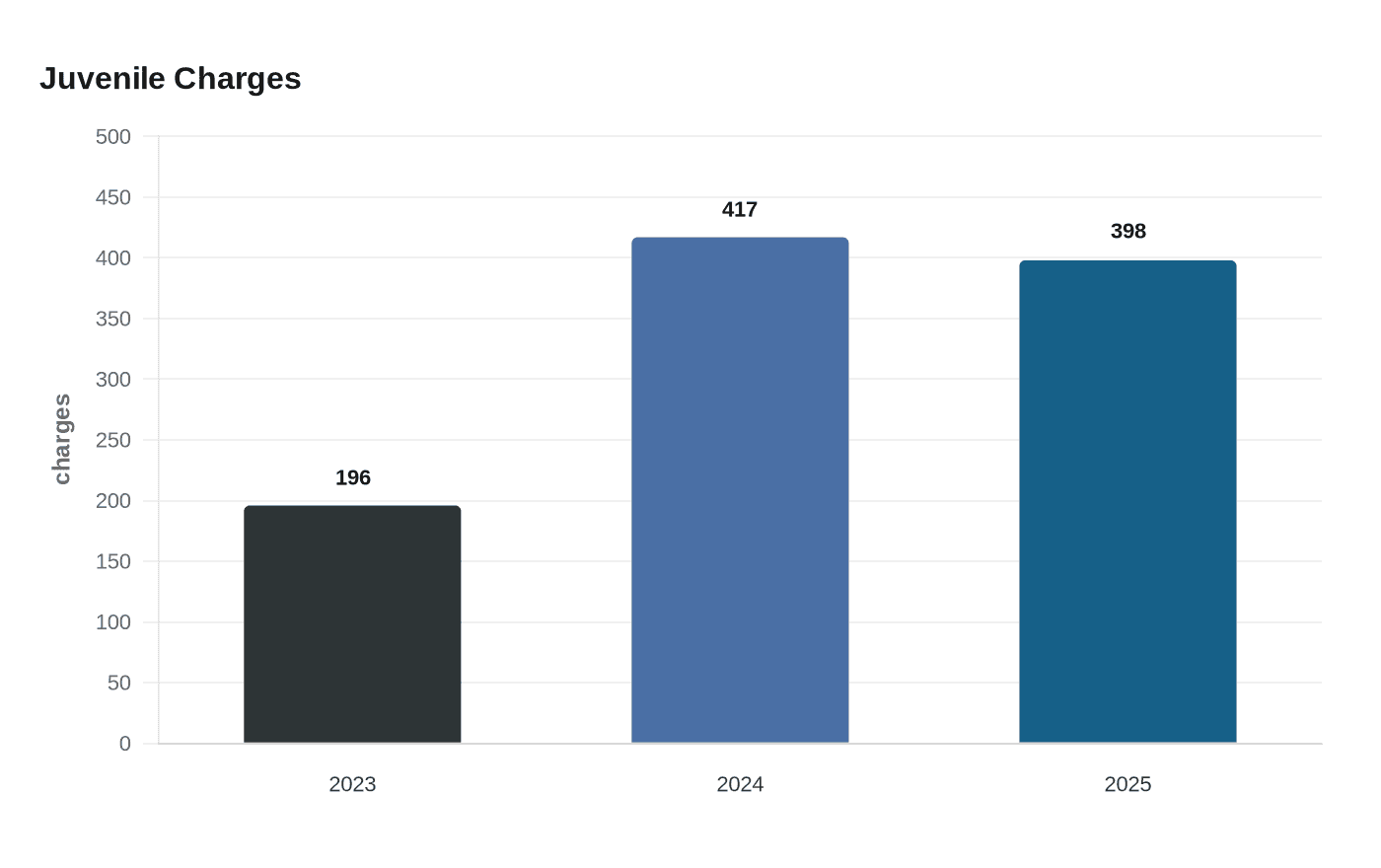
In Baltimore, the political fight over juvenile crime has been building for more than a year. In May 2025, Bates’ office said 84% of juveniles involved in special cases were released back into the community in 2024. The office also said it had 417 juvenile charges through May 13, 2025, compared with 196 in 2023. Bates later said there were 398 juvenile charges from Jan. 1 through May 13, 2025, compared with 417 in the same stretch of 2024, and argued that judges, not the Maryland Department of Juvenile Services, should make the initial detention decision.
By April 2026, Bates was still making that case, saying juvenile crime had not improved under then-DJS Secretary Betsy Fox Tolentino. Baltimore leaders, including Councilman Mark Conway and Mayor’s Office of Neighborhood Safety and Engagement Director Stefanie Mavronis, have also been part of the wider conversation at town halls and hearings, where diversion, detention and victim-notification concerns have remained central.
This article was produced by Prism’s automated news system from verified source data, official records, and press releases, then run through automated quality and moderation checks before publishing. The system is built and supervised by the people who set the standards it runs under. Read our full AI policy.
Know something we missed? Have a correction or additional information?
Submit a Tip