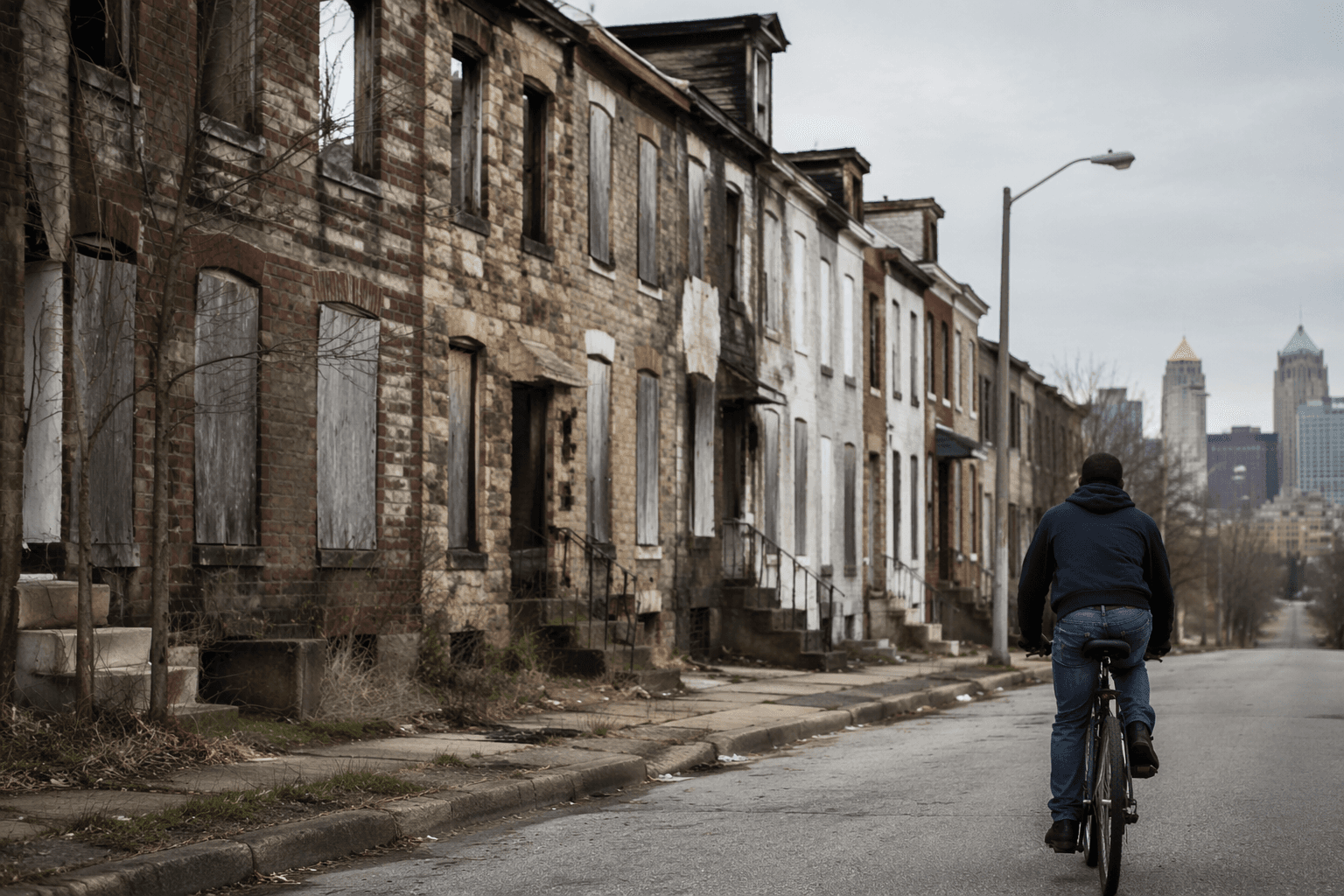
Chesapeake Bay Foundation Urges City to Reject Hopkins DSAI Stormwater Waiver
The Chesapeake Bay Foundation told Baltimore to deny Hopkins' stormwater waiver, citing 14 flooding events and state-documented sediment violations at the DSAI site.
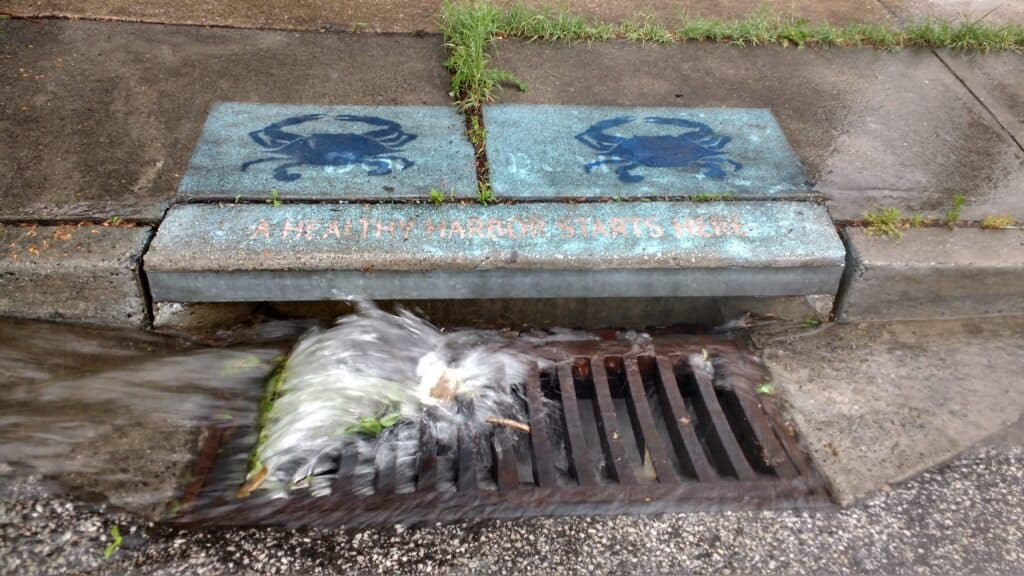
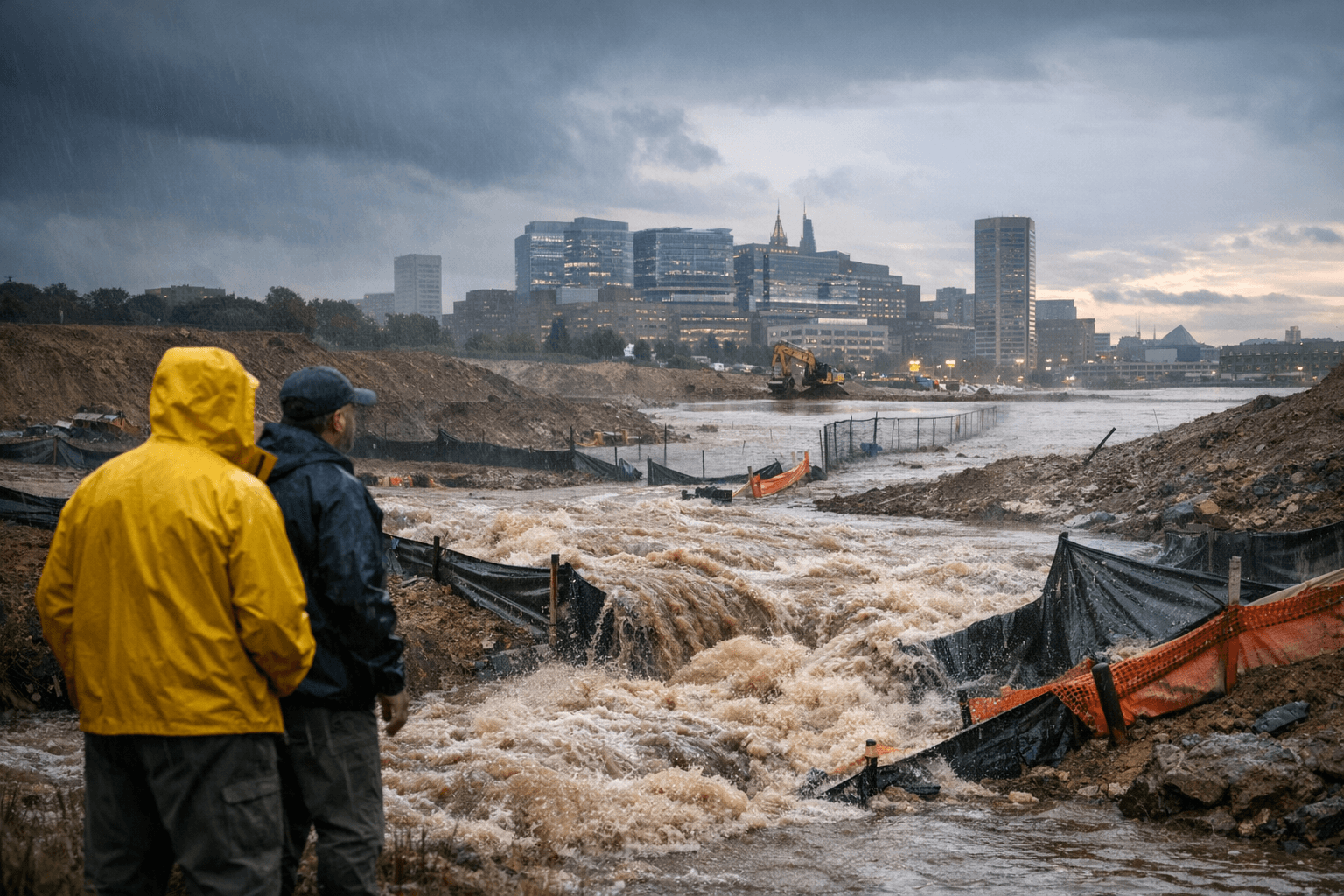
Hillary Gonzalez has filed 14 flood reports with Blue Water Baltimore since construction began near Johns Hopkins University's planned Data Science and AI Institute. She can watch the water move: rain falls, sediment-brown runoff pours down Wyman Park Drive, and the flow heads straight for Stony Run and, eventually, the Chesapeake Bay. This week, the Chesapeake Bay Foundation formally made Gonzalez's fight its own.
In a letter to the city's Department of Public Works, CBF Maryland executive director Allison Colden urged Baltimore to deny a stormwater permit waiver Johns Hopkins is seeking for the DSAI project. "JHU's history of – and potentially ongoing – construction stormwater violations make it an inappropriate candidate for any stormwater management waiver," Colden wrote.
The dispute is grounded in violations tied not to the DSAI itself but to the adjacent SNF Agora Institute, whose construction generated repeated runoff complaints from Remington and Wyman Park residents. The Maryland Department of the Environment documented sediment discharge violations from February through August 2025, attributed to Hopkins' contractor, Consigli Construction, and found Hopkins potentially liable for "significant" penalties, offering a no-liability settlement of $8,648. A September 4 MDE site visit, prompted by neighbor complaints, found that a "construction event" may have caused turbidity in Stony Run.
Baltimore City has spent upwards of $10 million to restore Stony Run, a Chesapeake Bay tributary running just below the steep slope where the DSAI's north building will sit at the intersection of Wyman Park Drive and Remington Avenue. Gonzalez, who founded BMoreAgainstDSAI and had been pushing to bring CBF into the dispute, warned conditions will worsen once more trees are removed. "Almost every single time it rains now, we're already seeing major flooding events going down to Remington," she said. "How much worse is it going to be when they've gotten rid of the trees?"
Hopkins cut trees along Remington Avenue in early January 2026, and the university maintains the DSAI project is "following the city of Baltimore's environmental regulatory procedures, as we have done throughout this project." Hopkins has retained environmental consultant Steward Green to monitor Stony Run water quality throughout construction and says it will replace outdated stormwater infrastructure at no cost to taxpayers. Construction is expected to conclude in 2029.
If the city denies the waiver, Hopkins may need to redesign its construction sequencing before proceeding. If it grants one, the CBF and neighborhood groups have signaled they are prepared to escalate to state regulators, where MDE has already shown a willingness to investigate. City code, under Article 7, Division II, permits stormwater waivers where disturbance is unavoidable and ground conditions will be restored; whether the DSAI qualifies under that standard is Baltimore's decision to make.
This article was produced by Prism’s automated news system from verified source data, official records, and press releases, then run through automated quality and moderation checks before publishing. The system is built and supervised by the people who set the standards it runs under. Read our full AI policy.
Did this article answer your question?