Cohen opposes more Axon spending as Baltimore police tech expands
Baltimore approved another $2.5 million Axon add-on, but Zeke Cohen warned the city is becoming too dependent on one police-tech vendor.
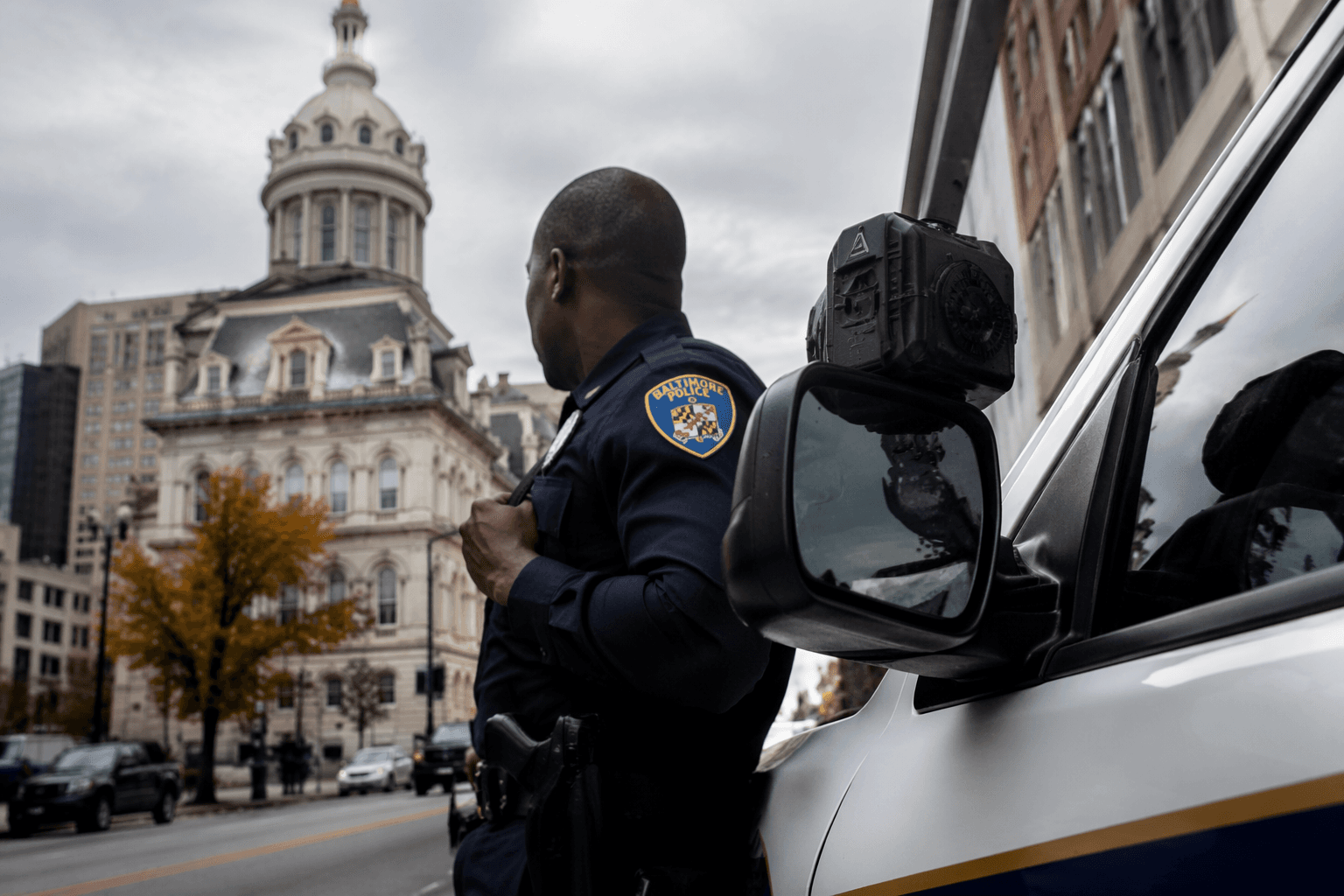
The Board of Estimates approved another $2.5 million for Axon Enterprise without discussion, even as City Council President Zeke Cohen voted no and warned Baltimore was leaning too hard on one company to modernize the police department.
The extra spending was tied to an administrative oversight involving an incorrect contract drawdown for body-worn cameras. But the small item sat inside a much larger pattern: Baltimore has kept extending and enlarging its relationship with Axon, the dominant vendor for the police department’s cameras, tasers and video storage systems.
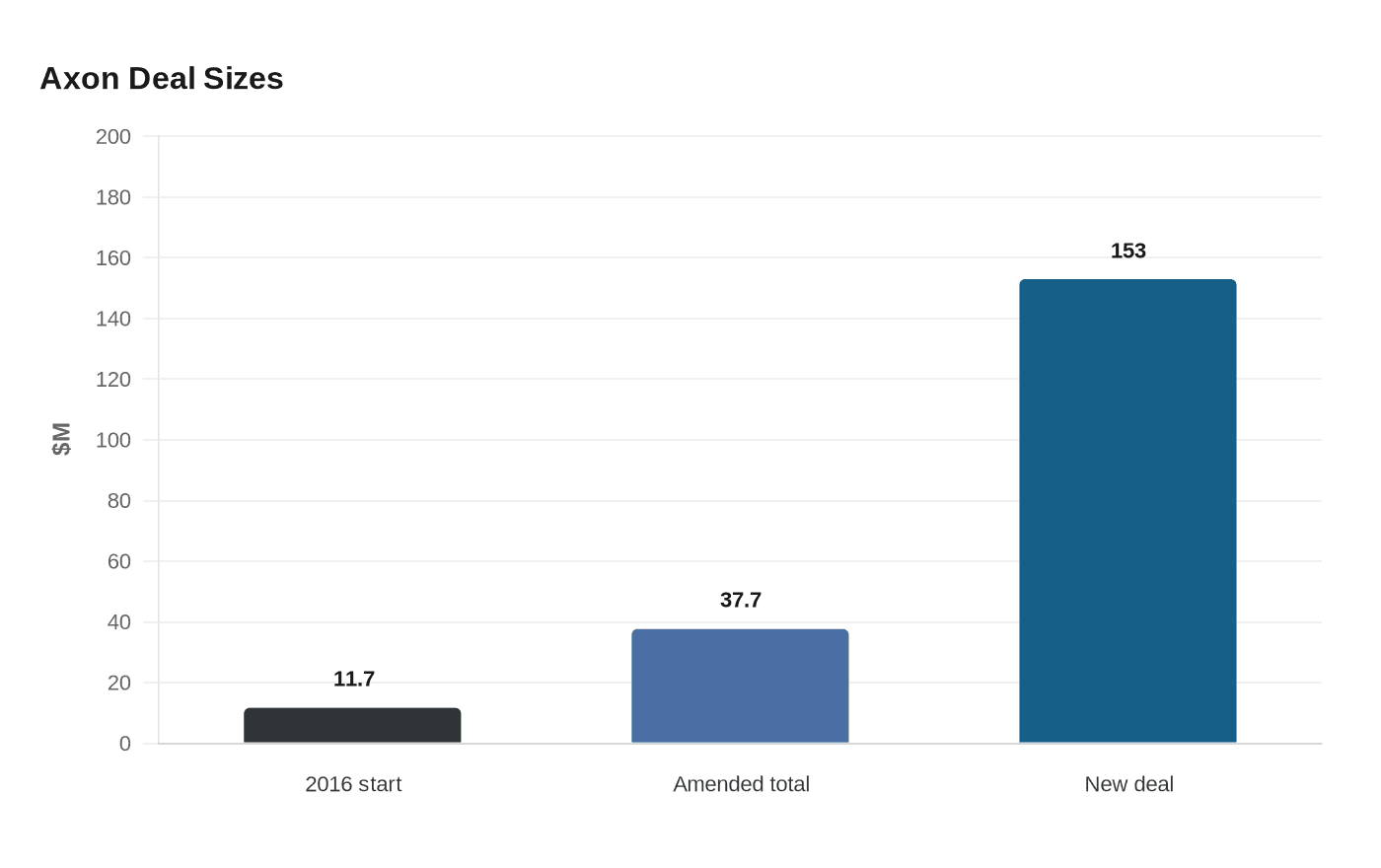
That relationship has grown far beyond the contract’s original size. What started as an $11.7 million agreement in 2016 has been amended seven times and climbed to $37.7 million, covering body cameras, tasers and cloud storage for video and audio. The city’s newest Axon deal is even larger. Approved in May, the $153 million contract is scheduled to take effect next month and would deepen Baltimore’s dependence on a single company as police officials move toward a more automated future.
That future includes VR cadet training, smart drones, AI-powered transcription of suspect interviews, crime-report drafting and public-facing systems that could interact with residents. Police leaders say those tools could help offset officer shortages and reduce paperwork, but the pace of the expansion has raised a basic procurement question: whether Baltimore is competing these contracts widely enough and whether residents are getting measurable value for the money.

Cohen’s objection went to that larger issue. He argued that other companies should have a chance to bid and that the city should not assume Axon is automatically the best deal. For Baltimore residents, the stakes are not abstract software features. These contracts shape how officers document encounters, how evidence is stored and how much of the public safety budget gets locked into long-term technical systems.
As Baltimore Police expands its tech stack, the test is no longer just whether the department can buy more tools. It is whether City Hall can show transparency, competition and proof that the spending improves policing enough to justify the growing commitment.
This article was produced by Prism’s automated news system from verified source data, official records, and press releases, then run through automated quality and moderation checks before publishing. The system is built and supervised by the people who set the standards it runs under. Read our full AI policy.
Did this article answer your question?