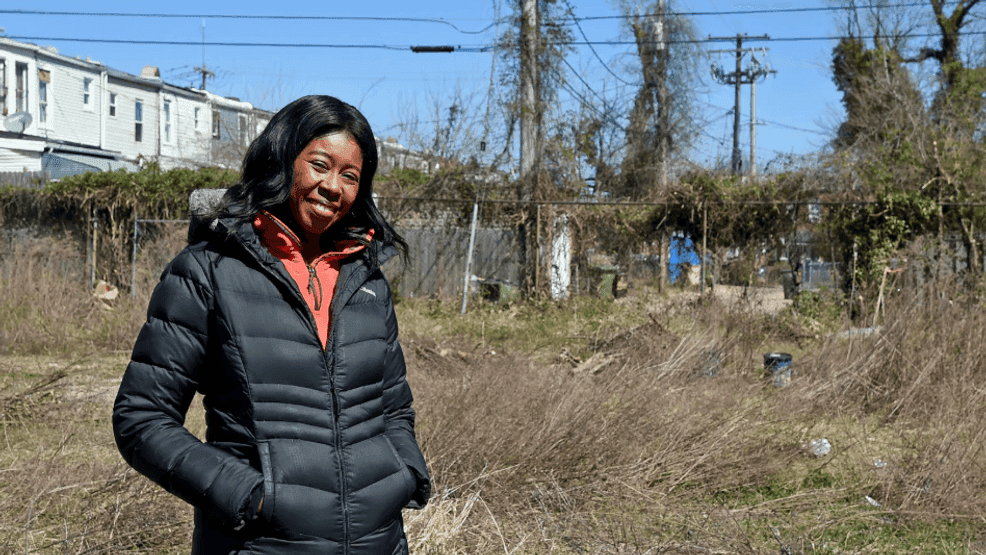
Conway urges public plan for Baltimore's conduit system future
Conway wants Baltimore to open the books on a conduit system that carries critical power and fiber to most of the city, with millions and safety on the line.
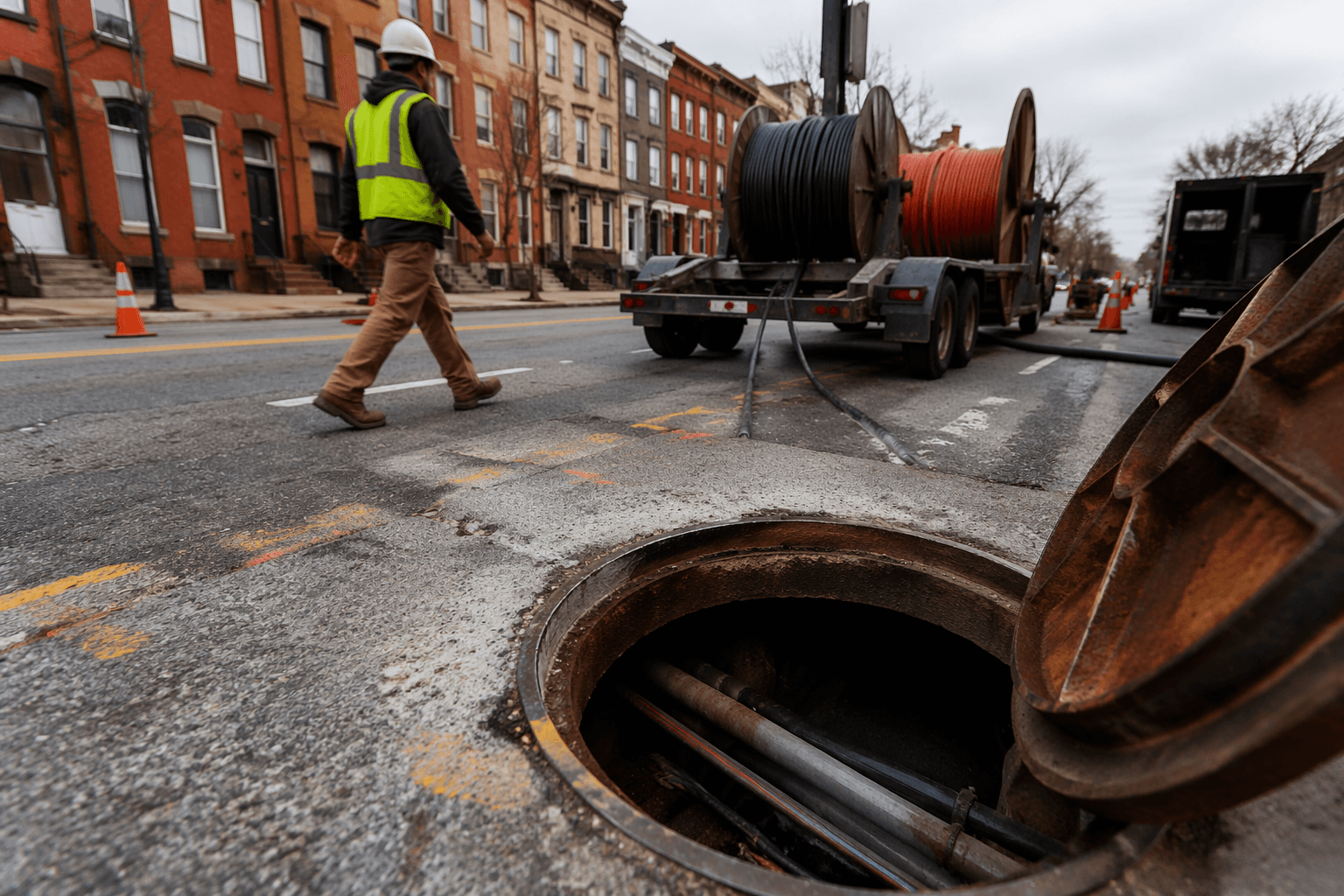
Baltimore City Councilman Mark Conway is pressing Mayor Brandon Scott’s office for a public answer on what comes next for the city’s 700-mile conduit system, the underground grid of electric and fiber-optic cables that powers a majority of Baltimore. The issue is not just who pays for upkeep. It is who controls a city asset that underpins daily utility service, broadband activity and business operations from downtown to the neighborhoods.
The conduit system sits at the center of a 2023 agreement under which Baltimore kept ownership while Baltimore Gas and Electric committed to capital improvements and continued paying an occupancy fee. BGE says that arrangement allows it to invest more than $138 million in the system through 2026, and the city says future upgrades remain under public control. Conway’s push is for those next decisions to happen in the open, not behind closed doors, as the city weighs how to manage one of its most important pieces of infrastructure.
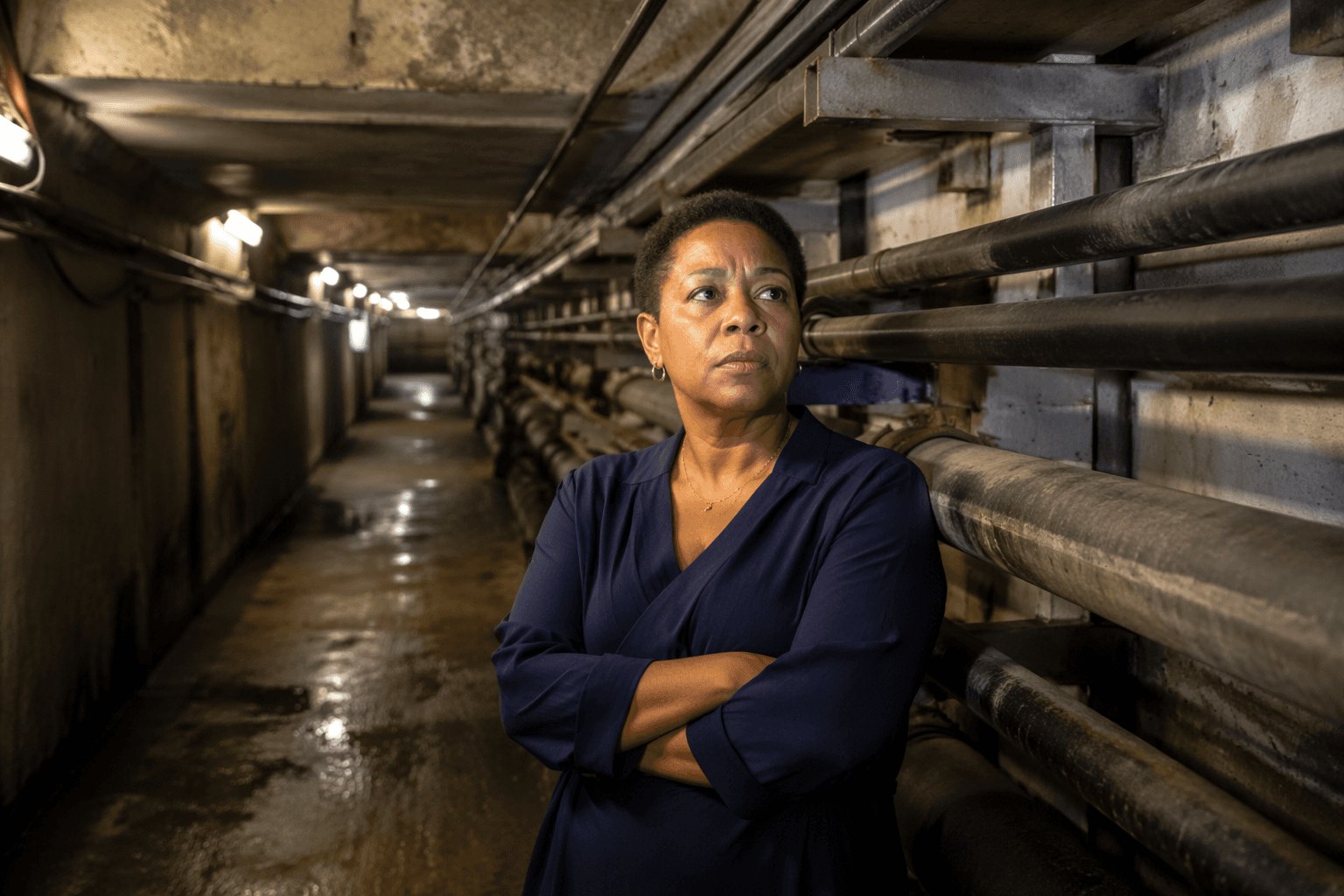
The concern sharpened after a series of underground fires renewed questions about safety and cost. Baltimore said RTI Group LLC’s review of the September 29, 2024 fire at Charles and Pleasant streets found combustible gases had built up in a manhole and duct work before detonation. The blaze started around 4 a.m., spread through the conduit network to nearby businesses, triggered a downtown power outage and street closures, and injured one firefighter. CBS Baltimore reported nearly 2,100 customers were affected. Baltimore later said a June 2025 underground fire at Guilford Avenue and Baltimore Street sped up the RTI investigation, and the city said the Department of Transportation had already installed a pilot monitoring system to detect gases and high temperatures in manholes.
The political sensitivity is not new. City Comptroller Bill Henry told a Senate delegation on February 17, 2023 that the significance of the conduit deal “cannot be overstated” and said it deserved rigorous public discourse. Henry also said the city raised conduit fees in 2015 from about $1 per linear foot to $3.33, then settled litigation with conduit users at about $2 per foot, and that the previous BGE agreement expired in mid-2022. He said the administration had moved toward a sale attempt before public backlash.
Baltimore’s Conduit Division says it handles planning, maintenance, inspections, repairs, capital rehabilitation and a leasing program for conduit space, a reminder that this is a live municipal asset, not a forgotten tunnel system. BGE says its upgrades are meant to support current energy demand, future electrification and expanded communications infrastructure. Conway’s demand for a public plan now puts the city’s next utility bargain under a sharper spotlight: who gets to decide, who pays and how much control Baltimore keeps over the infrastructure running beneath its streets.
This article was produced by Prism’s automated news system from verified source data, official records, and press releases, then run through automated quality and moderation checks before publishing. The system is built and supervised by the people who set the standards it runs under. Read our full AI policy.
Know something we missed? Have a correction or additional information?
Submit a Tip