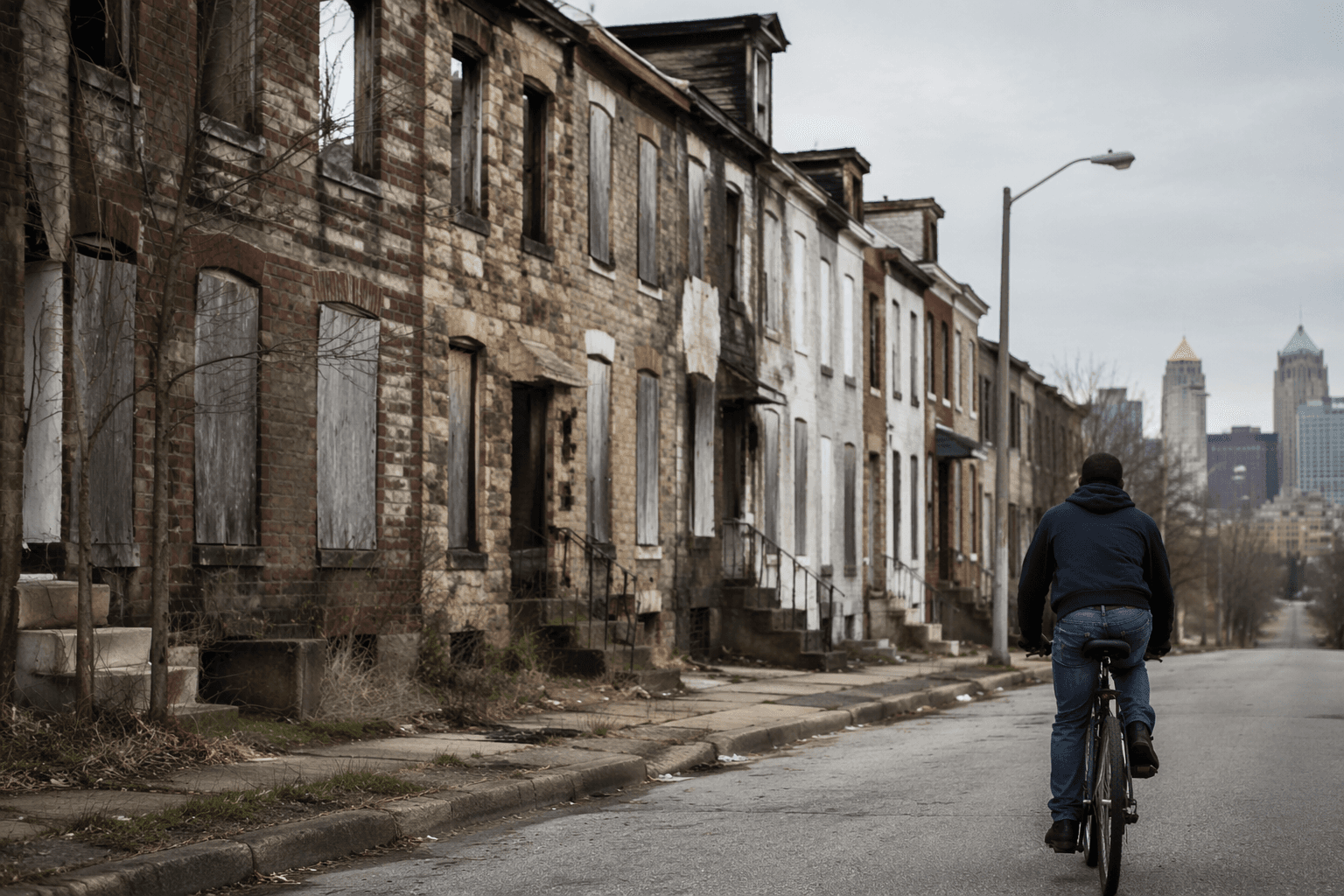
Maryland opens second round of bidding for Key Bridge rebuild
Maryland’s Key Bridge rebuild has shifted into bidding for four construction packages, a move that could open jobs, ease delays and set the 2030 timeline in motion.
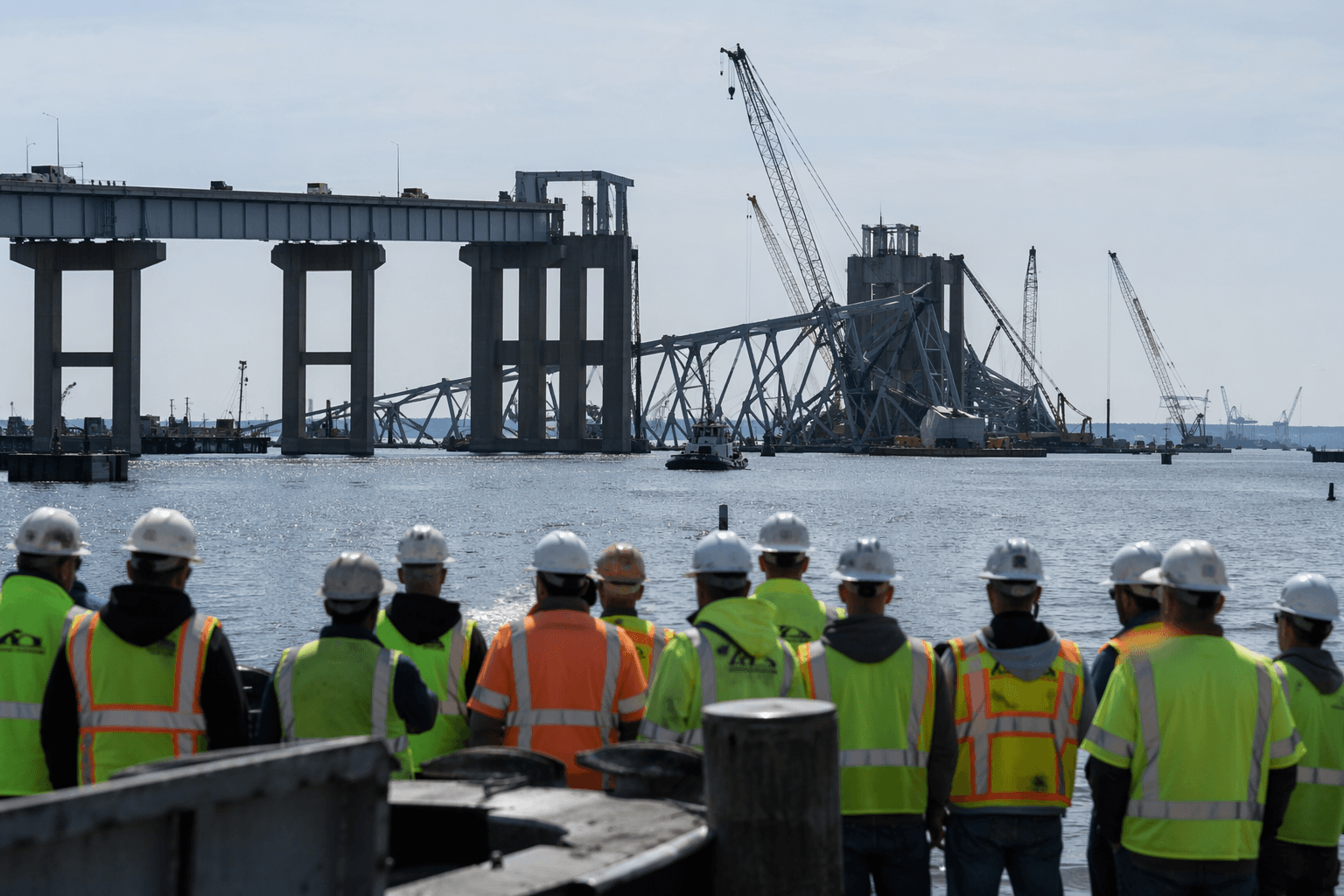
Baltimore’s next big Key Bridge milestone is no longer about drawings and forecasts. Maryland Transportation Authority has opened the second round of bidding for the Francis Scott Key Bridge rebuild, a step that moves the project from planning into the harder work of awarding contracts, managing risk and lining up crews that can actually rebuild one of the region’s most important traffic links.
The state said May 19 that it is splitting the job into four separate procurements after a virtual industry forum held at 2 p.m. The contract packages cover demolition and miscellaneous marine work, the south land approach, the north land approach, and the main span plus marine approaches. MDTA said the change is meant to increase competition, expand opportunities for the local workforce and speed contract awards. For Baltimore, that matters because the bridge collapse did not just interrupt a highway crossing. It rerouted freight, changed commute patterns and made every delay ripple through the harbor corridor.
MDTA also said design on the new bridge had advanced past the 70% mark, a sign that the project is approaching the point where construction decisions will begin to drive the schedule. Kiewit Infrastructure Co. will continue its current contracted work through at least the end of 2026, including permanent foundation piles and the trestle work platform over water, but it will not stay on for the next phase of construction. That transition is one of the clearest signs yet that the rebuild is entering a new stage, with new bidders now competing for the biggest pieces of the job.
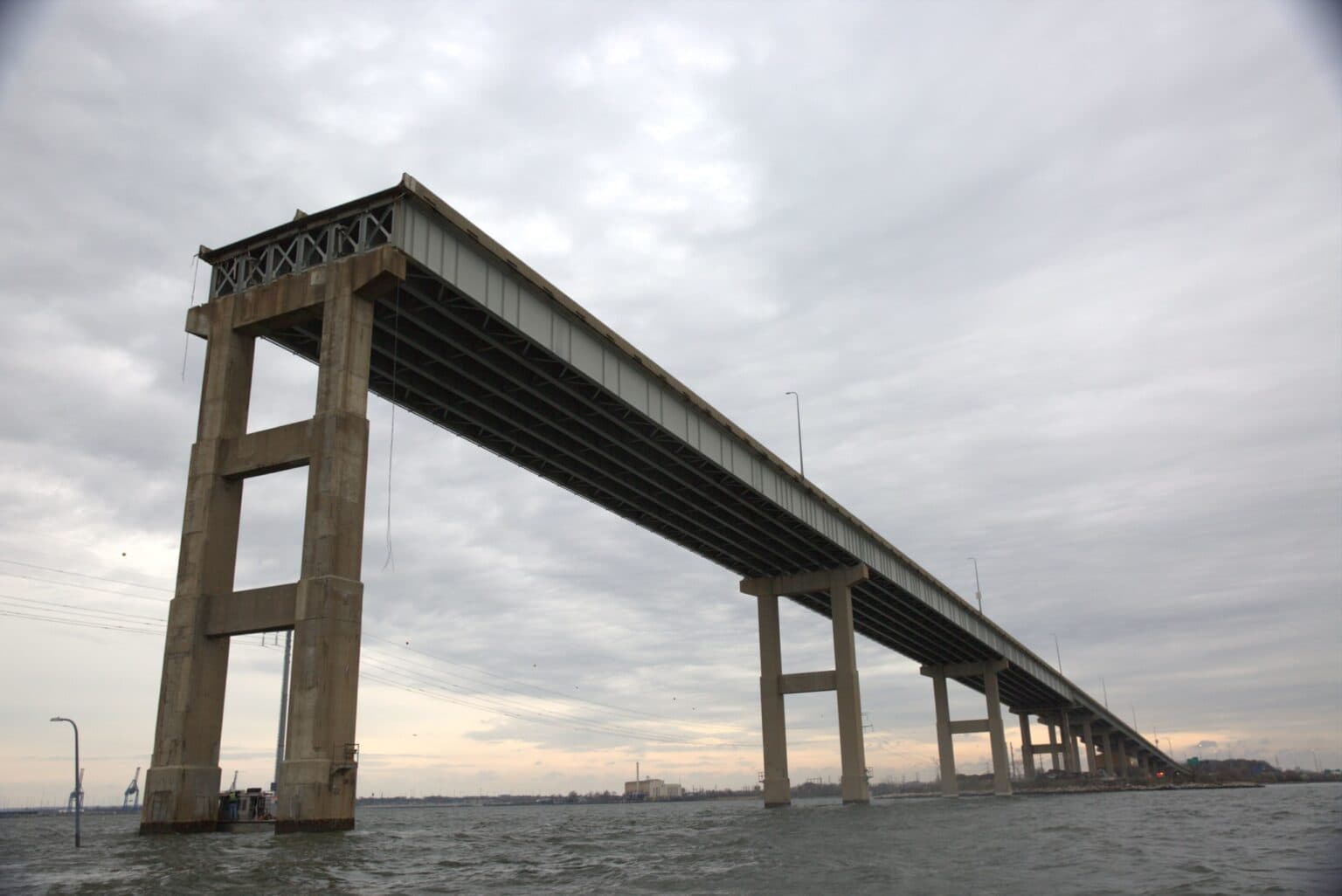
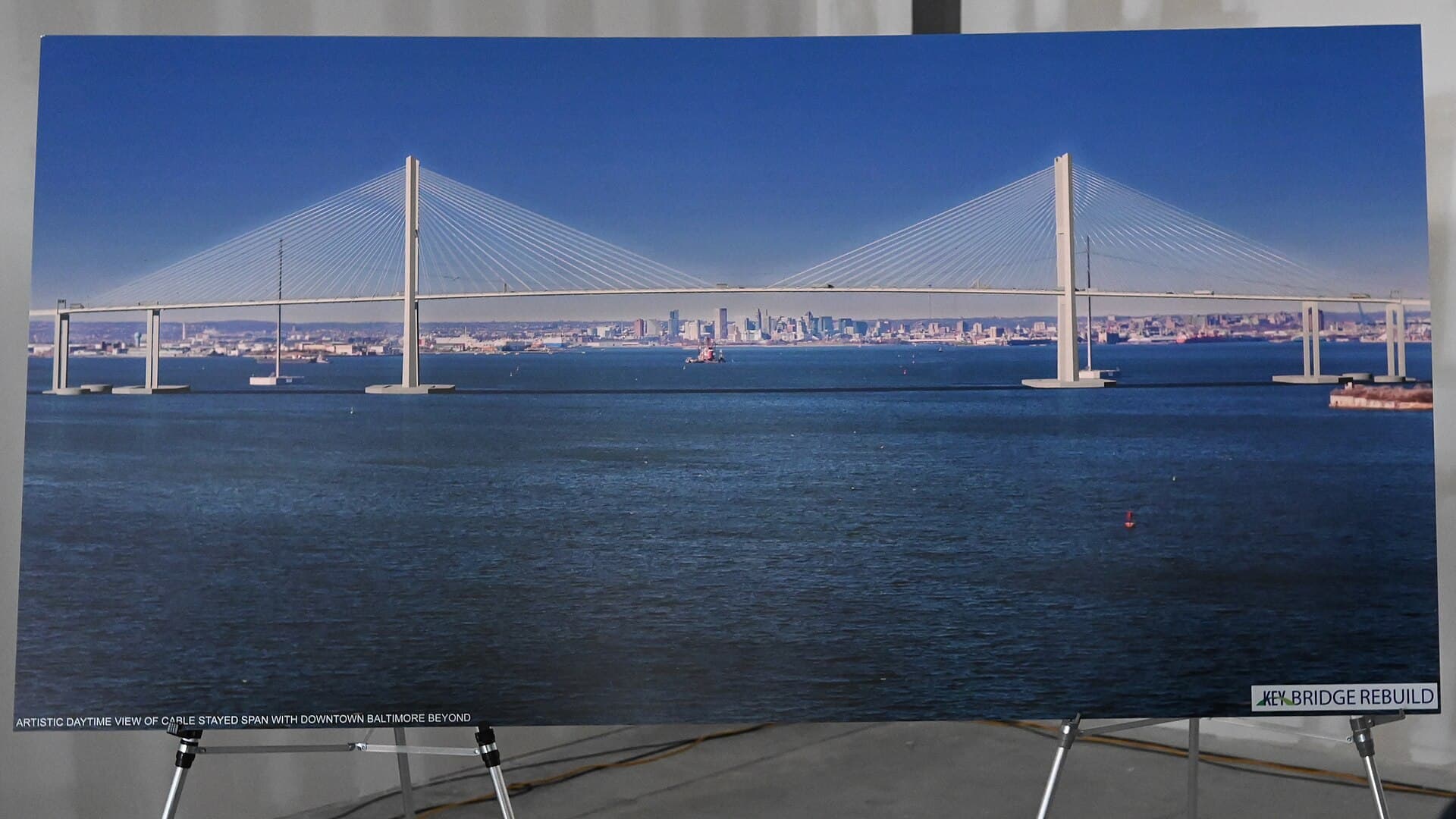
The cost and timeline have grown more concrete, too. MDTA’s updated estimate puts the replacement at $4.3 billion to $5.2 billion, with an anticipated open-to-traffic date in late 2030. The planned bridge will be a cable-stayed structure with a 1,665-foot main span and 230 feet of minimum clearance over the federal channel. If that schedule holds, Baltimore-area commuters, trucking companies and port operators could begin seeing a real difference by the end of the decade, not before.
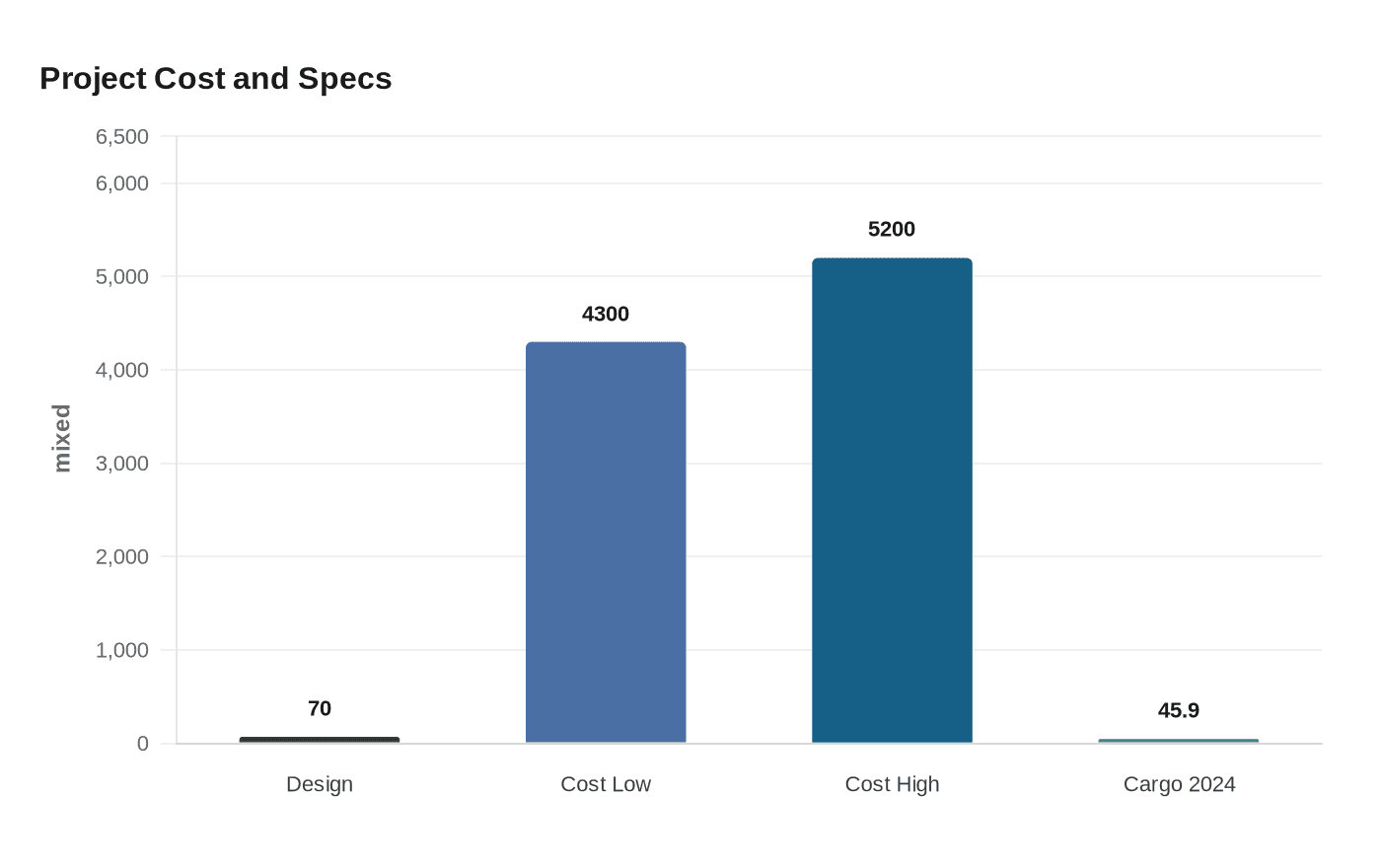
The urgency is rooted in what happened on March 26, 2024, when the cargo ship Dali struck the bridge and killed six construction workers. Maryland created temporary relief programs for affected workers and businesses on April 5, 2024, as traffic was pushed onto the I-95 Fort McHenry Tunnel and I-895 Baltimore Harbor Tunnel, with commercial vehicles constrained by tunnel restrictions. Even with the disruption, the Port of Baltimore handled 45.9 million tons of cargo in 2024. For neighborhoods, employers and terminal operators from Dundalk Marine Terminal to Seagirt Marine Terminal, the second bidding round signals something concrete: the city is closer to rebuilding the artery that keeps Baltimore moving.
This article was produced by Prism’s automated news system from verified source data, official records, and press releases, then run through automated quality and moderation checks before publishing. The system is built and supervised by the people who set the standards it runs under. Read our full AI policy.
Did this article answer your question?