Maryland Residents Cite Rising Holiday Financial Stress, Political Worries
A UMBC Institute of Politics poll conducted Dec. 2 through Dec. 6, 2025 found roughly 41 percent of Marylanders said this holiday season felt more financially stressful than last year, and two thirds expect political divisions to worsen in 2026. The results highlight partisan and demographic divides, and signal potential pressures for Baltimore City leaders as they prepare municipal budgets and confront policy choices in the coming legislative session.
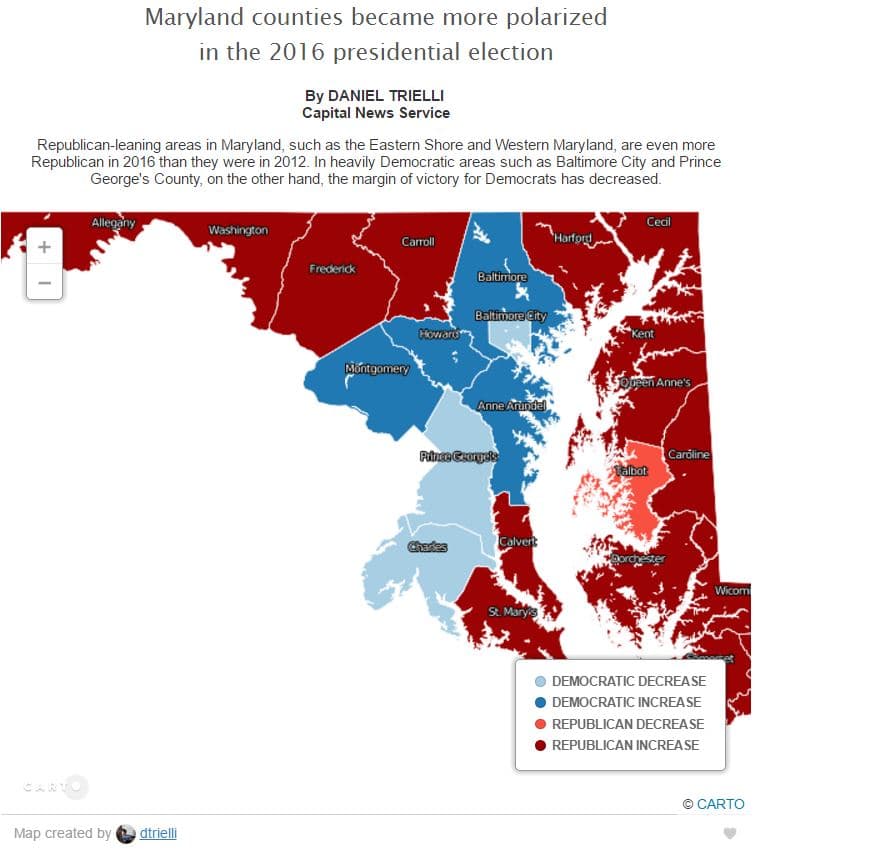
A statewide poll released this week by the UMBC Institute of Politics showed many Maryland residents feeling greater financial strain during the holiday season, and worrying that partisan polarization will deepen next year. Roughly 41 percent of respondents said the season would be more financially stressful than last year, while a majority said they do not plan to make New Year’s resolutions. Two thirds of those surveyed said political divisions will worsen in 2026.
The survey, which carried out fieldwork from Dec. 2 through Dec. 6, 2025, revealed notable partisan and demographic differences in how households are experiencing the season and looking ahead. Republicans in the sample were more likely to report less or similar financial stress compared with last year, while Democrats more often reported increased strain. The poll director attributed the attitudes to both political and economic conditions shaping expectations and risk tolerance among residents.
Those findings matter directly for Baltimore City, where municipal officials and the City Council will begin finalizing budget priorities alongside state lawmakers preparing for the 2026 legislative session. Elevated reports of holiday financial stress can translate into greater demand for emergency services, rental and food assistance, and workforce support. City leaders may face pressure to preserve or expand social safety net spending even as revenue and fiscal choices are negotiated.
For Baltimore voters the poll underscores how national and state level politics are intersecting with household finances. Community organizations and service providers should anticipate continuing need in early 2026, and policymakers will need to weigh those human impacts when debating tax, spending, and program decisions. As legislators and municipal leaders plan for the year ahead, the survey offers a snapshot of public sentiment that could influence both practical budgeting and broader political messaging across the city and state.
Sources:
Know something we missed? Have a correction or additional information?
Submit a Tip