Power outage closes Elijah Cummings Courthouse, trials moved across street
A power outage shut the Elijah E. Cummings Courthouse and sent all scheduled trials to the Clarence M. Mitchell, Jr. Courthouse across Calvert Street.
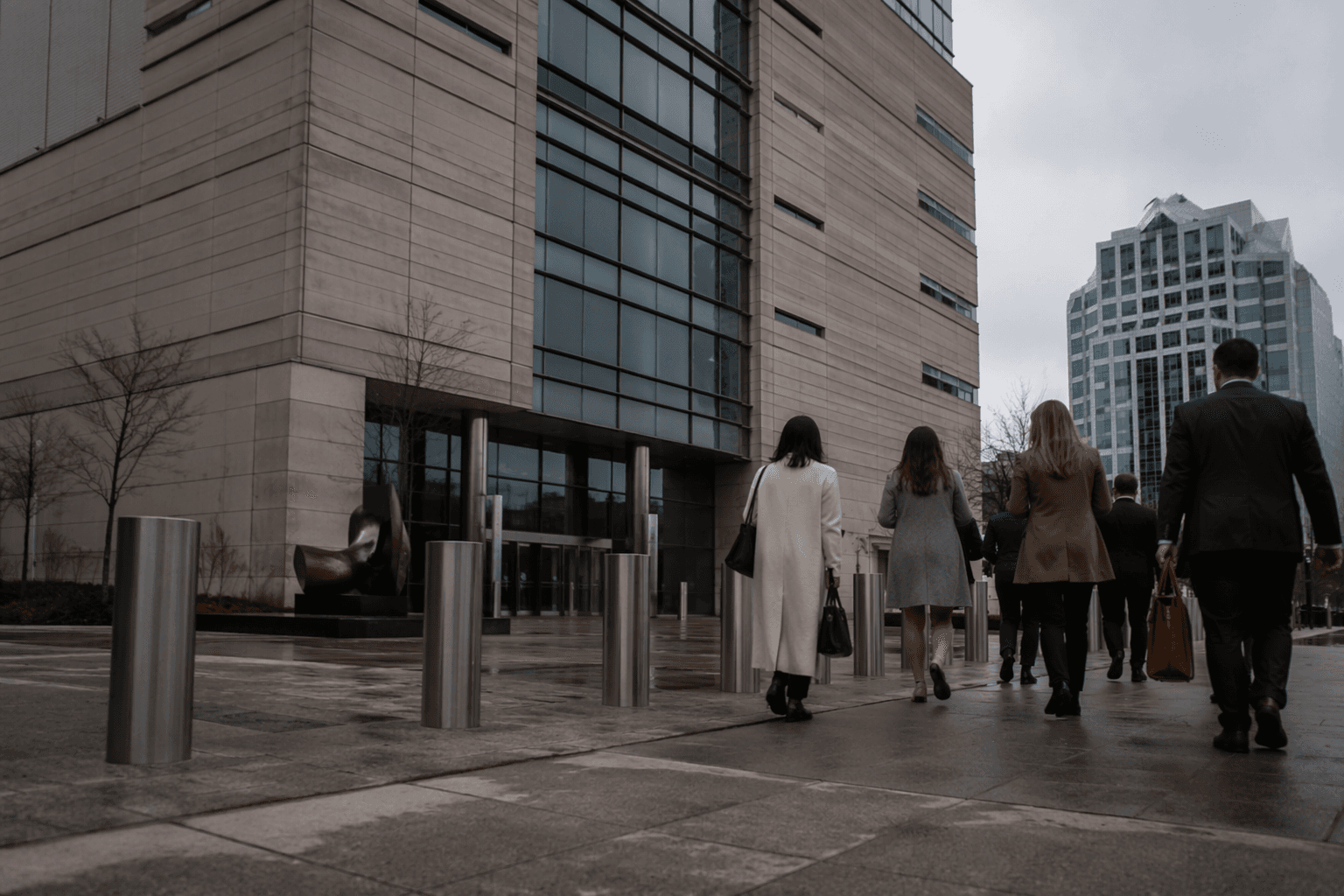
A power outage closed the Elijah E. Cummings Courthouse in downtown Baltimore on Wednesday, forcing all trials scheduled there to move across Calvert Street to the Clarence M. Mitchell, Jr. Courthouse at 100 N. Calvert Street. The shutdown hit a core city justice hub in real time, disrupting jury and family division proceedings and leaving court users to adjust on the spot.
The Baltimore City Sheriff’s Office said the day’s trials were relocated to the Mitchell courthouse, while officials said electricity restoration time was not immediately clear. The Baltimore Sun reported that the outage stemmed from an underground cable issue and that Baltimore Gas and Electric crews were working on a temporary restoration so the courthouse could have service while permanent repairs were made. A temporary fix was expected later in the afternoon.

For anyone with a hearing, jury duty or family court matter downtown, the key detail was the location change. The Baltimore City Circuit Court’s directory lists court hours as 8:30 a.m. to 4:30 p.m. Monday through Friday except legal holidays. It also lists Clerk of Court Xavier A. Conaway, whose clerk’s office is located in the Elijah E. Cummings Building at 111 N. Calvert Street. That made the outage more than a building problem: it affected the offices and proceedings people rely on to navigate daily court business.
The Daily Record said jury and family division trials were moved across Calvert Street to the Clarence M. Mitchell, Jr. Courthouse, underscoring how quickly routine operations shifted from one building to another. WMAR reported that the City Sheriff’s Office moved all of the day’s trials and that officials did not immediately know when power would return.
BGE’s outage tracker listed 13 outages in Baltimore City as of Wednesday morning, less than 5% of city customers but the most outages in any Maryland jurisdiction. That backdrop raised a harder question for Baltimore’s courthouse system: why did a single utility failure have the power to disrupt core court operations citywide? In a city where the courthouse is a daily anchor for criminal, civil, jury and family matters, the outage showed how dependent public justice is on infrastructure that most residents never see until it fails.
This article was produced by Prism’s automated news system from verified source data, official records, and press releases, then run through automated quality and moderation checks before publishing. The system is built and supervised by the people who set the standards it runs under. Read our full AI policy.
Know something we missed? Have a correction or additional information?
Submit a Tip