Remington residents push back against Hopkins road work and parking loss
Hopkins’ road work will close Wyman Park Drive until 2029, squeezing Remington’s parking, deliveries and foot traffic just after streets were repaved.
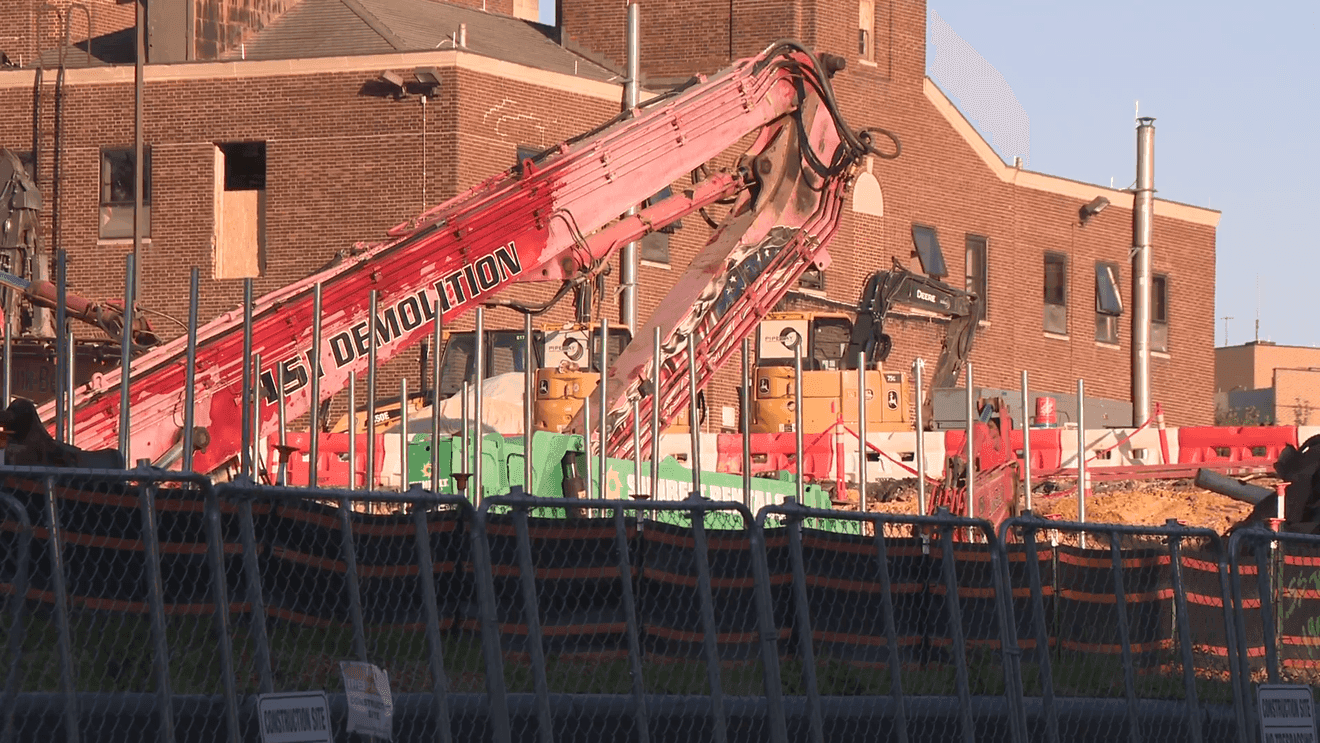
Johns Hopkins University’s next phase of campus building is set to hit Remington where merchants feel it most: curb space, deliveries and customer traffic. Baltimore officials approved the road and electrical project on April 15, and neighbors say the plan will tear up streets that were repaved less than a month earlier, extending disruption around the Homewood campus for years.
The project is tied to Johns Hopkins’ new Data Science and Artificial Intelligence buildings near 3100 Wyman Park Drive, part of a larger buildout on the university’s Homewood campus. Johns Hopkins says Wyman Park Drive, from Remington Avenue to Carnegie Way, will be closed from the start of the work until 2029. Pedestrian access between Remington Avenue and campus will generally remain open until July 2026, with occasional temporary closures. The university says there are no changes to on-campus parking and that the Early Learning Center parking lot remains accessible, but that does little for the businesses and residents who rely on street parking and easy vehicle access along the corridor.
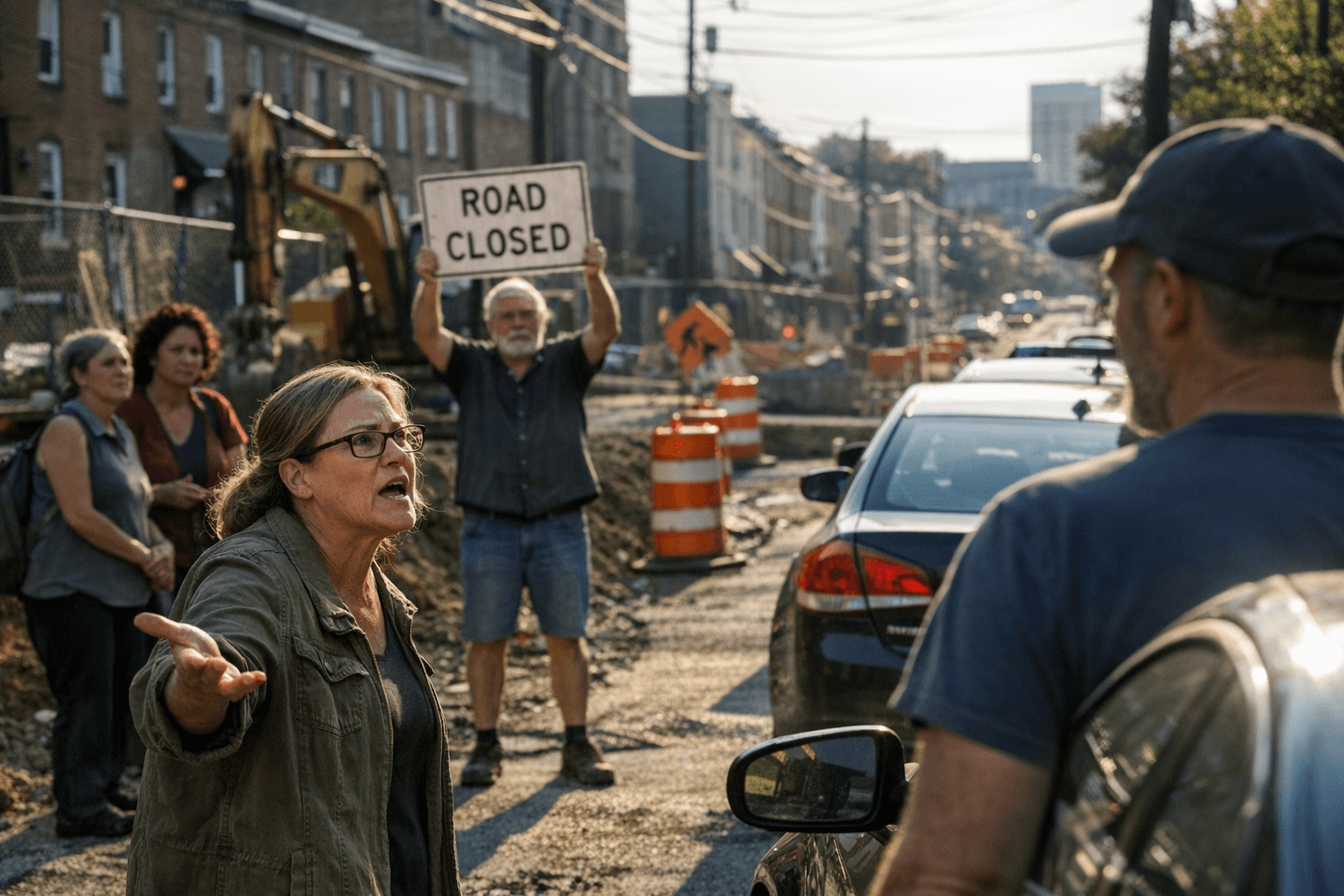
That is the heart of the pushback in Remington. For shops, restaurants and service businesses, months of construction can mean fewer walk-ins, slower deliveries and less convenient parking for customers trying to stop along a dense strip that already depends on close-in access. Residents say the timing makes the disruption harder to accept because city-hired crews had only just repaved the streets before the new project was approved.
Johns Hopkins is framing the work as infrastructure needed to support long-term expansion. The university says the DSAI buildings will house classrooms, laboratories, faculty offices and collaborative workspaces for its Data Science and Artificial Intelligence Institute. The institute is focused on data science, machine learning and AI across neuroscience, precision medicine, climate resilience, sustainability, public-sector innovation and social sciences. Hopkins also says the project was reduced by 30 percent to 476,572 square feet from an earlier plan, and that the buildings are expected to be completed by summer 2029.
Baltimore’s Department of Transportation approved the traffic diversions that will go with the project, underscoring how much of the burden falls outside the university’s own footprint. For Remington, the fight is not over abstract growth plans. It is over who absorbs the daily cost of that growth, and how much of the neighborhood will be tied up before the new academic buildings are even finished.
This article was produced by Prism’s automated news system from verified source data, official records, and press releases, then run through automated quality and moderation checks before publishing. The system is built and supervised by the people who set the standards it runs under. Read our full AI policy.
Did this article answer your question?