Westport tenants seek city help as encampments persist nearby
A Westport family says it has paid rent for months while squatters and encampments remained next door, forcing Baltimore to answer how long neighbors should wait for relief.
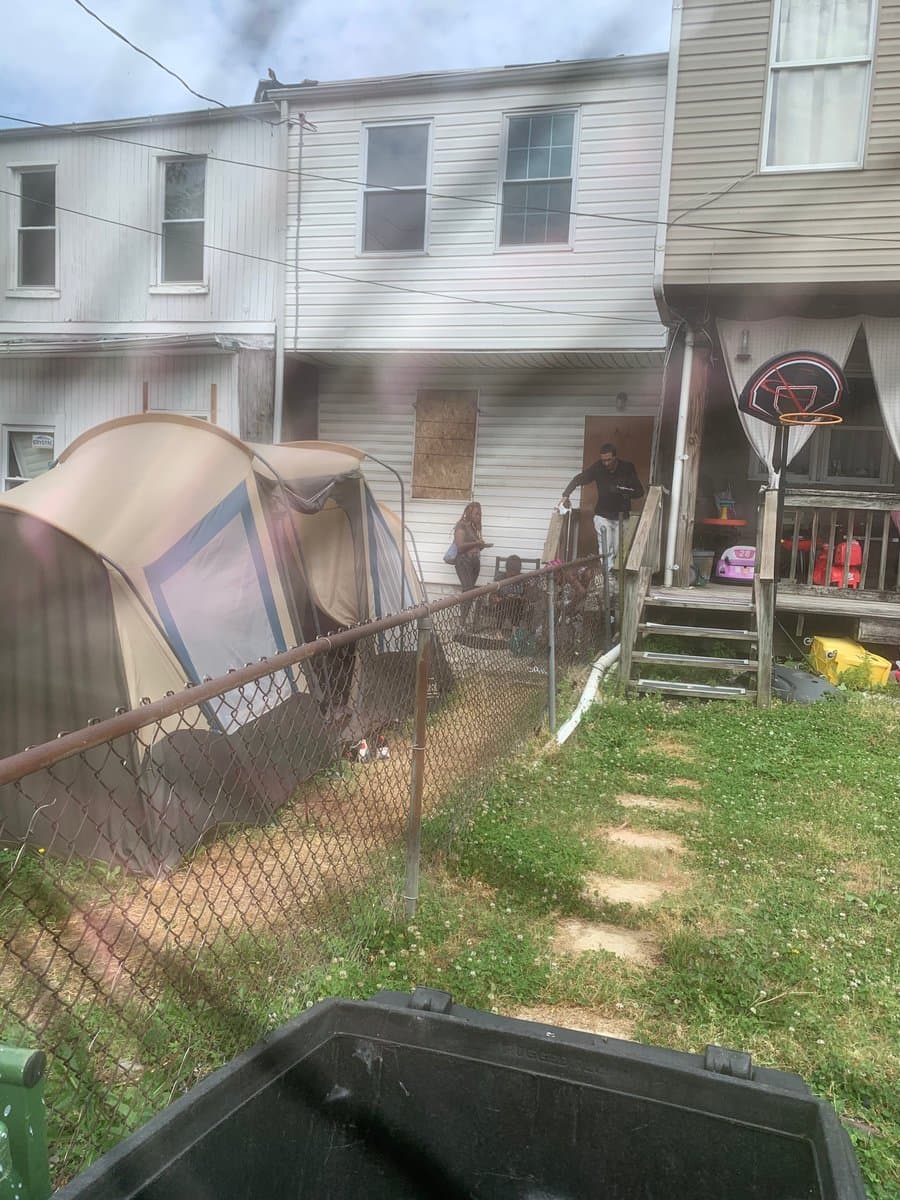
A Westport family with a young child says it has been paying rent while living beside squatters and an encampment, and it has been pushing Baltimore for help since late May. Their complaint has put a sharp local test on how quickly the city can protect tenants who say they are stuck next to unsafe conditions.
Baltimore’s Mayor’s Office of Homeless Services says the city’s Encampment Resolution Protocol, released Feb. 22, 2024 and effective that January, is meant to handle these sites through a trauma-informed, cross-agency process. The protocol says people concerned about an encampment can report it to Baltimore City 311 Services, and it includes secure storage for belongings as crews work through a resolution. The city’s stated goal is to connect people living at a site to shelter or housing services before the encampment is cleared.
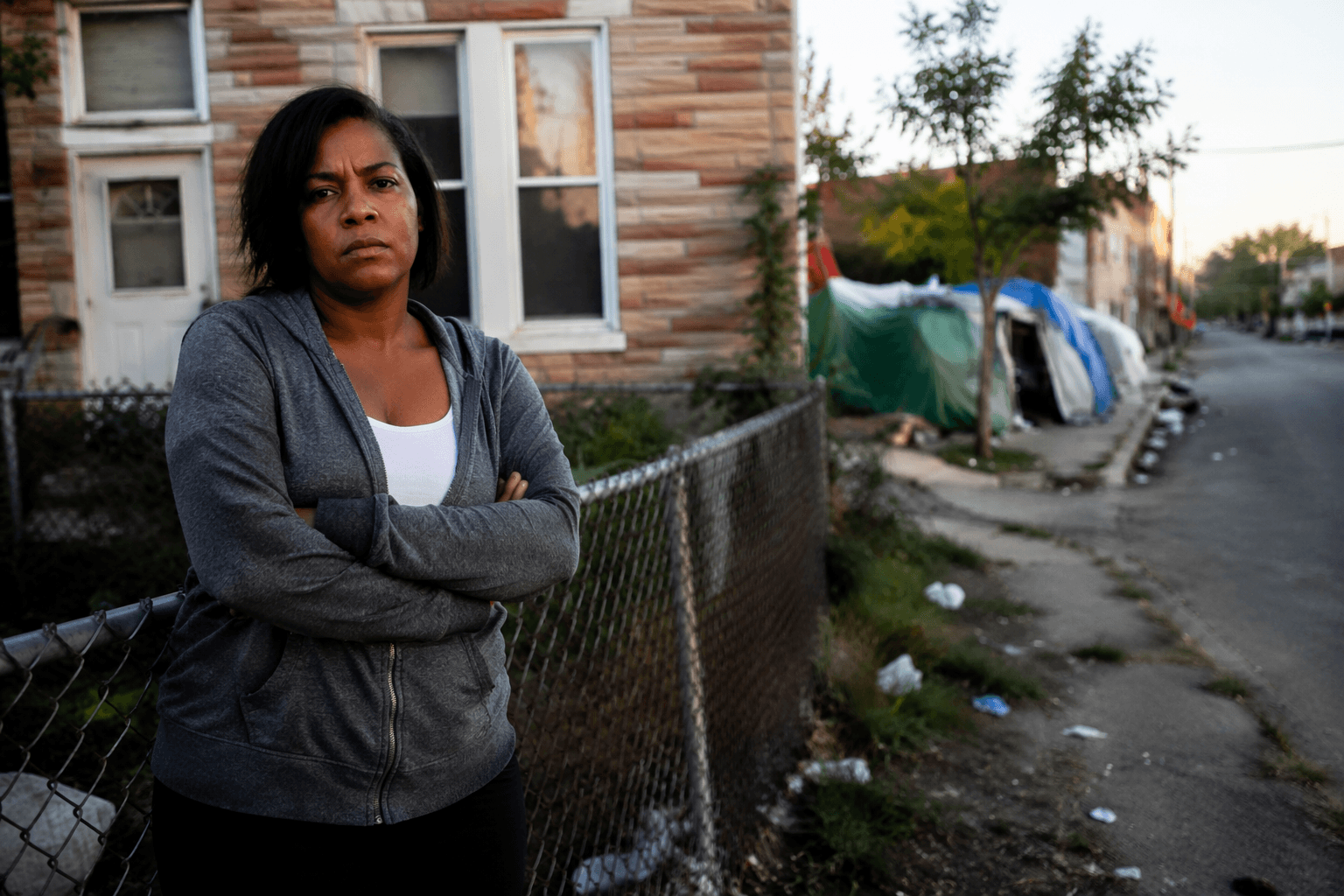
The Westport dispute is unfolding in a neighborhood long defined by vacancy and disinvestment. Westport once thrived as an industrial community with shipyards, factories and warehouses, but it has been hit hard by population loss, vacant properties and the problems that follow. At the same time, redevelopment is moving ahead nearby. In 2024, the Westport CEDC and project partners said they were working to redevelop 20 vacant rowhomes on the waterfront side of Westport, backed by a $500,000 boost from the state’s Baltimore Vacants Reinvestment Initiative, a $50 million program aimed at high-vacancy neighborhoods.
The standoff also lands in the middle of a broader Baltimore debate over what encampment response should look like. City officials have previously reached negotiated agreements with homeless residents under the Jones Falls Expressway, and in February 2026 a coalition of homeless-service providers urged Baltimore to change its encampment policies, arguing the city should not simply move people without addressing homelessness itself. The Westport case has drawn fresh attention because it sits beside occupied homes, where tenants say the city’s response has not moved fast enough to match the conditions they face.
It also echoes statewide scrutiny of squatting disputes in Maryland, where recent reporting has detailed alleged fraudulent leases, civil-court delays and property damage inside occupied homes. In Westport, the question is narrower but urgent: how long rent-paying neighbors should have to wait while encampments persist next door.
This article was produced by Prism’s automated news system from verified source data, official records, and press releases, then run through automated quality and moderation checks before publishing. The system is built and supervised by the people who set the standards it runs under. Read our full AI policy.
Know something we missed? Have a correction or additional information?
Submit a Tip