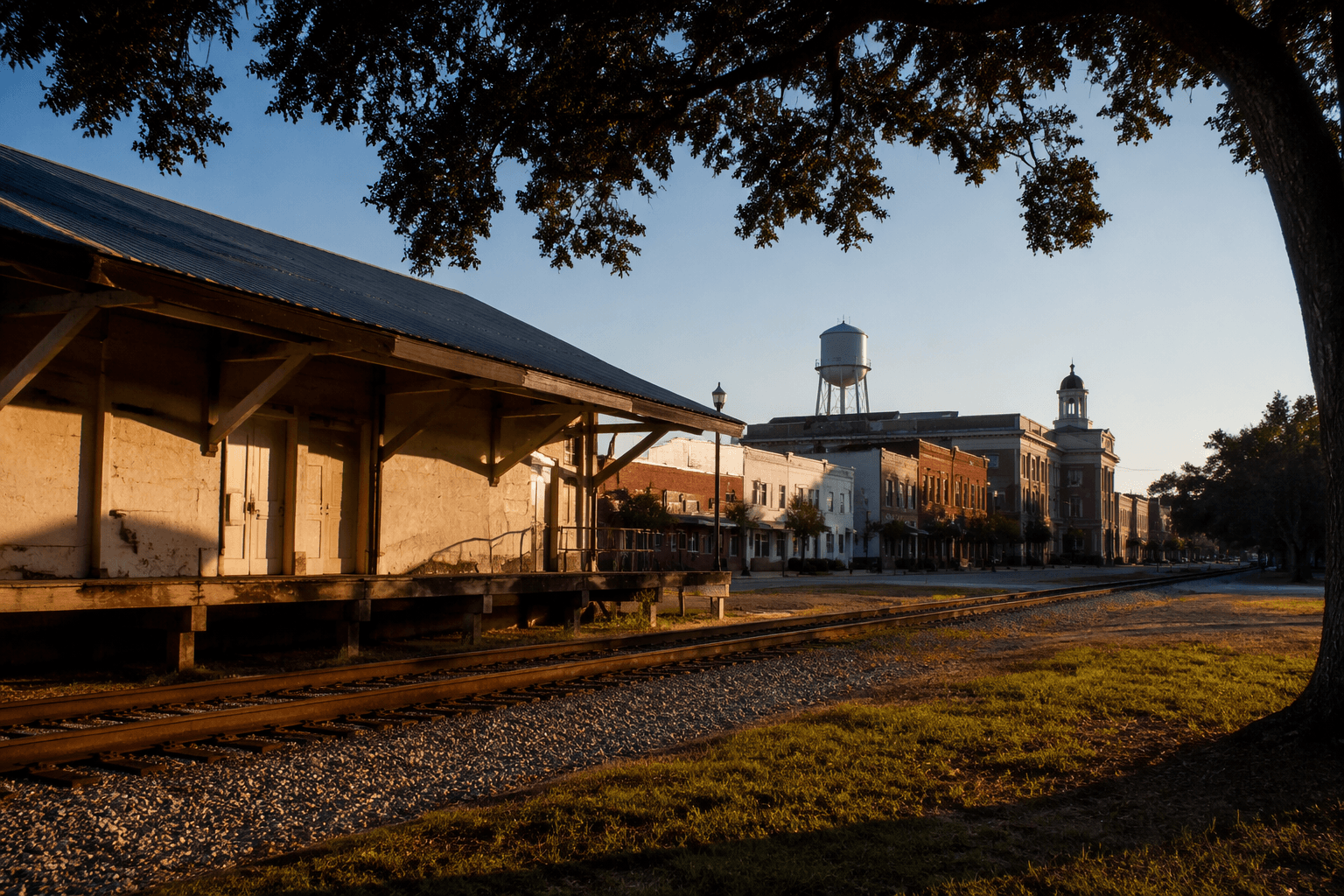
Bamberg Board of Public Works details utility services and oversight
Bamberg BPW runs water, sewer, electric and gas for the city, with meters read around the 15th and residential power priced at 13.04 cents per kWh.
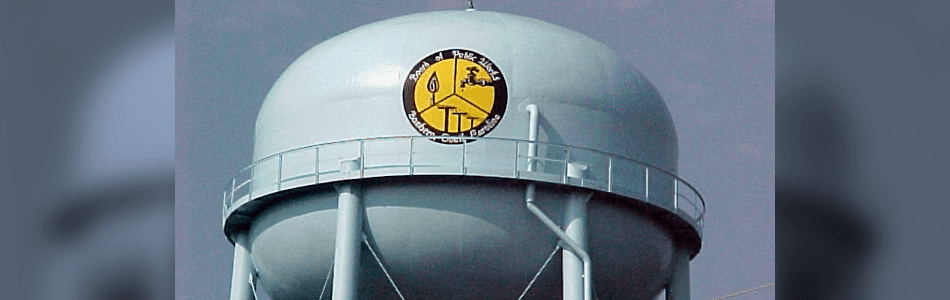
If you live in Bamberg and need utility help, the first stop is the Bamberg Board of Public Works, not City Hall. The board runs the city’s water, wastewater, electric and natural gas services, and its job is to keep those basics reliable while holding rates to a reasonable, competitive level.
What the board handles for homes and businesses
The Bamberg Board of Public Works is the utility arm of the Bamberg municipal government and operates separately from the City of Bamberg. It is overseen by a three-person commission, which matters when residents want to know who is responsible for utility policy, infrastructure spending and service decisions.
That structure affects daily life in very direct ways. Electricity keeps homes lit and small businesses open, water and wastewater service support everything from cooking to sanitation, and natural gas is part of the utility mix for customers who use it for heating or operations. In a county seat the size of Bamberg, those services are not background functions; they are the systems that keep households running and local commerce workable.
The board describes its mission in practical terms: provide reliable utilities at reasonable and competitive rates. Its public materials also emphasize efficiency, cost-conscious operations and dependable service, all of which matter when households are watching monthly bills and businesses are planning around overhead costs.
How to pay a bill or get in touch
For residents who need quick answers, the board lists a phone number, 803-245-5128, and an email address, info@bambergbpw.com. Its website also includes an online bill-payment portal, which is the fastest route for customers who want to pay without visiting an office.
The utility’s Facebook page says BPW reads meters around the 15th of each month to calculate monthly usage. That is the key billing point to keep in mind if you are trying to understand why a bill changed from one month to the next or when a new service account will start reflecting consumption.
If you are setting up service, stopping service or sorting out a billing issue, the board’s own site includes forms for new service applications and other customer information. The site also posts money-saving and safety tips, which makes it more than a payment page; it is also the place to look for utility guidance before a problem turns into a service interruption.
Starting service, checking natural gas availability and resolving problems
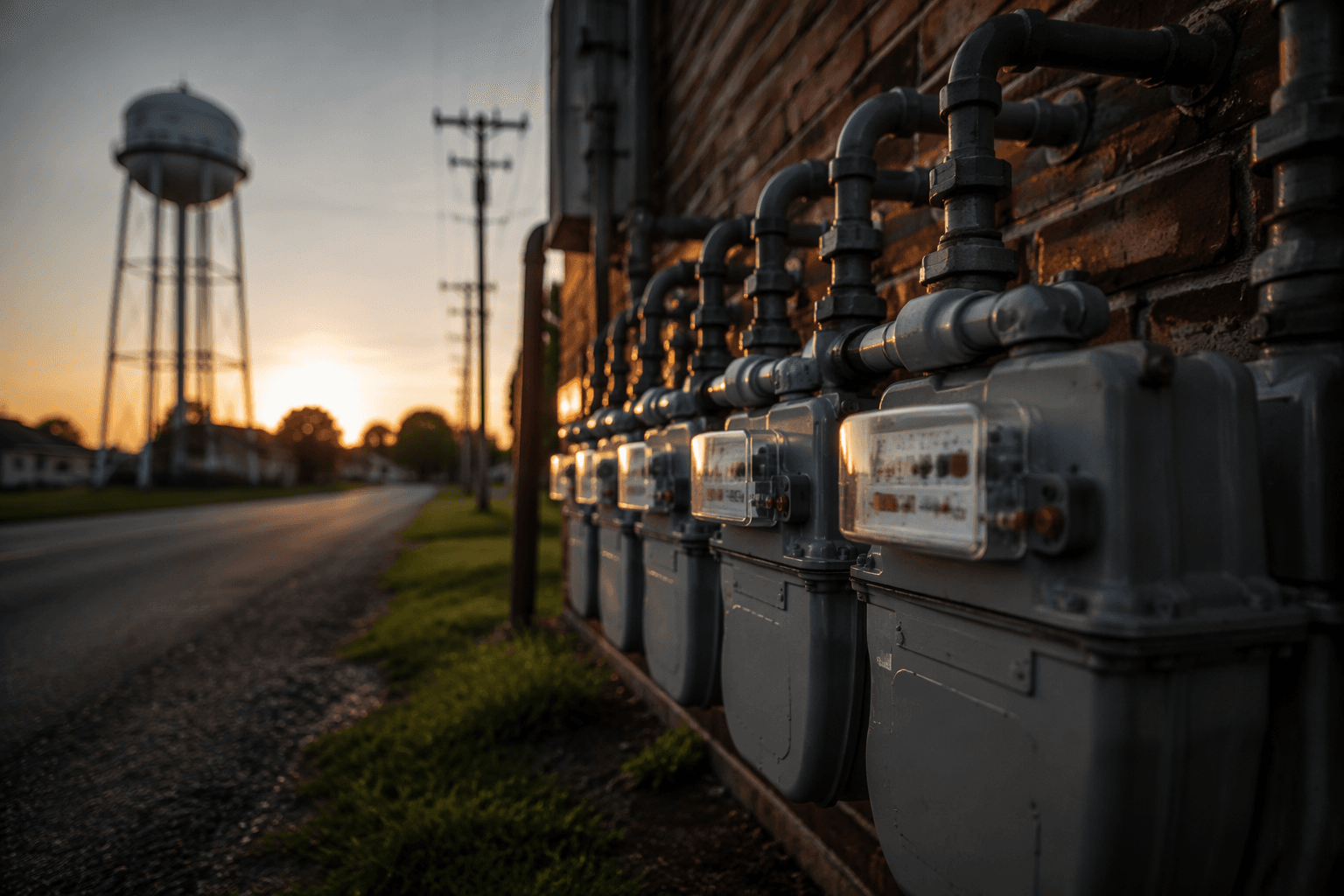
The board’s customer information includes natural-gas availability for homes and businesses, which is useful for anyone moving, remodeling or adding equipment that may require gas service. Because the utility handles multiple lines of service, residents should be clear about which account they are opening, closing or questioning when they reach out.
A practical approach is to use the board’s contact channels first and be ready with the address, account number if one exists, and the service type involved. That matters whether the issue is a billing dispute, a question about starting water service at a new house, or a problem involving electric or gas service that needs to be reviewed by the right department.
The board’s website layout is built to help users move quickly to the right place, with department links and information organized around customer needs. For a resident in a hurry, that is often the difference between finding a form, making a payment or waiting on hold while trying to sort out the wrong department.
What rates look like and why the numbers matter
Electric pricing is one of the clearest ways to understand how Bamberg BPW compares with the rest of South Carolina. FindEnergy lists the board’s average residential electricity price at 13.04 cents per kilowatt hour, which is 9.06 percent below the state average of 14.34 cents per kilowatt hour.
For households, that gap can show up in monthly budgeting. For small businesses, even a modest difference in per-kilowatt-hour pricing affects operating costs over time, especially for storefronts, refrigeration, office equipment and other steady electric loads. The figure is also a reminder that utility policy is not abstract: rate structure has a direct effect on what families and employers pay.
Oversight, planning and long-term utility decisions
The South Carolina Office of Regulatory Staff lists a current electric distribution contract period running from October 1, 2013, to October 1, 2033. That long horizon shows how utility planning in Bamberg stretches over decades, not just annual budget cycles.
The board also has an Integrated Resource Plan posted through the state energy office, which signals that electric supply and system planning are treated as formal, long-range responsibilities. For residents, that means the cost and reliability of service are tied to decisions made well ahead of the next monthly bill.
Bamberg BPW is also listed as an agency member of the South Carolina Water Quality Association, placing it within a statewide network of utilities that own or operate water, sewer and stormwater systems. That kind of membership matters because local water and wastewater performance is shaped not only by equipment and staffing, but also by broader utility standards and professional coordination.
How the board fits into countywide utility work
The board’s role reaches beyond routine service and billing. In October 2023, Bamberg County announced that Bamberg County Council, Bamberg BPW and the Orangeburg Department of Public Utilities were celebrating water grants, a sign that the utility is involved in regional infrastructure funding and improvement efforts.
That county release framed the grants as the result of persistence and perseverance, which reflects how utility upgrades often depend on years of planning and outside funding rather than quick fixes. For Bamberg County residents, the practical meaning is straightforward: the board is part of the group responsible for making sure water service, electric distribution and related infrastructure keep up with community needs.
Taken together, the board’s contact tools, billing cycle, rate comparison and long-term planning documents give residents a clearer picture of how to use the system and who is responsible for it. For households and small businesses in Bamberg, the utility is one of the most important local services to understand because it touches daily life, monthly costs and the reliability of the town itself.
This article was produced by Prism’s automated news system from verified source data, official records, and press releases, then run through automated quality and moderation checks before publishing. The system is built and supervised by the people who set the standards it runs under. Read our full AI policy.
Did this article answer your question?