Elizabeth Evelyn Wright built Denmark’s first Black high school
Elizabeth Evelyn Wright turned Denmark into a school town, founding the institution that became Voorhees University and helping shape the high school legacy still visible across town.
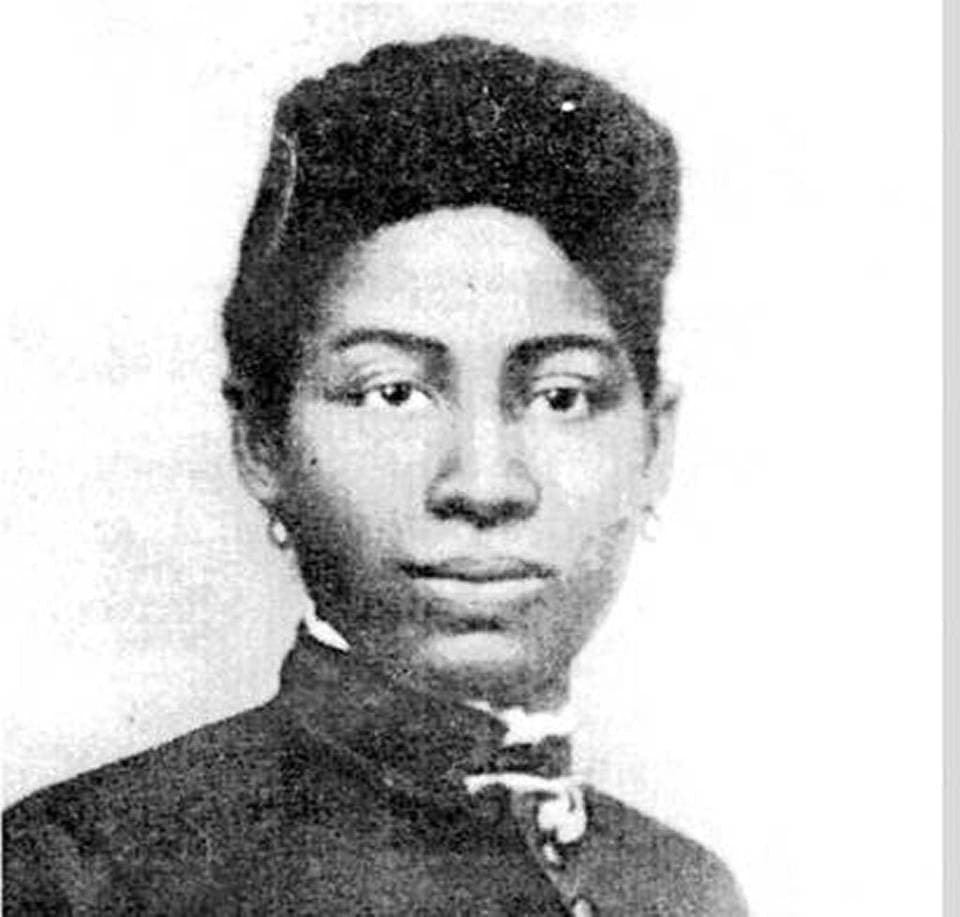
Elizabeth Evelyn Wright made education the backbone of Denmark, not just its history. After training at Tuskegee Institute, she came to Bamberg County at 23 and began building schools in a rural place where Black students had few options and little room to grow. The institutions she helped create, especially Denmark Industrial School and the later Denmark High School, still frame how Denmark remembers itself.
Elizabeth Evelyn Wright’s first big step in Denmark
Wright was born on April 3, 1872, in Talbotton, Georgia, and died on December 14, 1906, but the span that matters most to Denmark began when she moved into South Carolina and started over again and again. Voorhees University describes her as an African-American educator and social reformer who studied at Tuskegee Institute and modeled her Denmark school on that experience. She had already seen one of her earlier schools in South Carolina burned, then returned to Tuskegee to graduate before trying again, a detail that helps explain how determined she was to keep going after violence.
That determination matters in Denmark because the town’s first lasting Black high school grew out of her persistence. Wright founded Denmark Industrial School in 1897, then kept pushing until the school had land and a building of its own. The story is not just one of a founder and a campus; it is the story of a woman building an institution in a county that needed one badly.
How Denmark Industrial School became a community anchor
The turning point came in 1902, when Ralph Voorhees and Mrs. Voorhees donated $5,000 for land and the first building. In that same year, the school opened with Wright as principal and served as the only high school for Black students in the area. One source says enrollment reached 270 students by the following fall, a sign that the need Wright was answering was immediate and deep.
That early school helped define Denmark as a place where education was central to civic life. It gave local families a destination for their children’s schooling and gave the town an institution around which memory, pride, and leadership could gather. The school later became Voorhees School and Junior College in 1947, earned accreditation as a four-year institution in 1962, and was renamed Voorhees University in 2022, a timeline that shows how Wright’s original effort grew into a permanent college presence.
There was also outside support when the school needed it. In 1924, the Episcopal-affiliated American Church Institutes for Negroes stepped in with funding, helping sustain the institution through another stage of growth. That support sits alongside the original 1902 gift as part of the larger story of how Denmark’s Black educational life was built, not all at once, but through years of effort, alliances, and persistence.
Denmark High School and the town’s broader school landscape
Denmark’s education legacy is bigger than one campus. Denmark High School was built in 1920, enlarged in 1932 and again in 1948, and served the town until 1985. A historical marker says the 1920 building opened for the 1920-21 school year with E.T. Spigner as its first principal and initially housed grades seven through eleven, which shows how quickly the town was trying to meet the needs of local students in the early twentieth century.
The site itself has a deeper past. One historical marker says the earlier Denmark School on the same site was completed in 1908 and was designed by Charles Coker Wilson. The later Denmark High School is listed in the National Register of Historic Places as an excellent example of Classical Revival educational architecture, and the National Register listing dates to March 29, 2001. Together, those facts show a town that kept investing in school buildings as its needs changed, while preserving the architectural record of that investment.
For Denmark, the old high school is not just an abandoned building in the background. It stands as evidence that the town’s public life was organized around classrooms, principals, and school walls as much as around streets and storefronts. The building’s longevity, from 1920 to 1985, mirrors the long reach of the education tradition Wright set in motion.
The campus district preserves more than one story
Voorhees University’s campus carries that same layered history. The Voorhees College Historic District was listed in the National Register in 1982 and includes 13 contributing buildings out of 19, which means much of the historic campus fabric still remains legible. That district gives the town a second, closely related set of landmarks that reinforces the same message as the old high school: Denmark was built around schools that lasted.
Those buildings matter because they show how a rural town became a regional center of Black education and institutional memory. The university campus, the former high school, and the older school site create a physical map of how learning shaped Denmark’s identity over more than a century. In a place like this, the past is not abstract. It is built into brick, campus grounds, and the names attached to them.
What Denmark inherits now
What current residents inherit from Elizabeth Evelyn Wright is not only a founder’s story, but a working civic legacy. Denmark has institutions that came out of her vision, a historic district that preserves that vision in place, and a high school building that records how the town expanded its educational reach over time. The result is a local identity built around schools that trained students, anchored families, and gave Denmark a lasting sense of itself.
That is why Wright’s legacy still reads as a town-making story. Denmark’s education history is not a side note to the town’s identity. It is the structure underneath it.
This article was produced by Prism’s automated news system from verified source data, official records, and press releases, then run through automated quality and moderation checks before publishing. The system is built and supervised by the people who set the standards it runs under. Read our full AI policy.
Did this article answer your question?