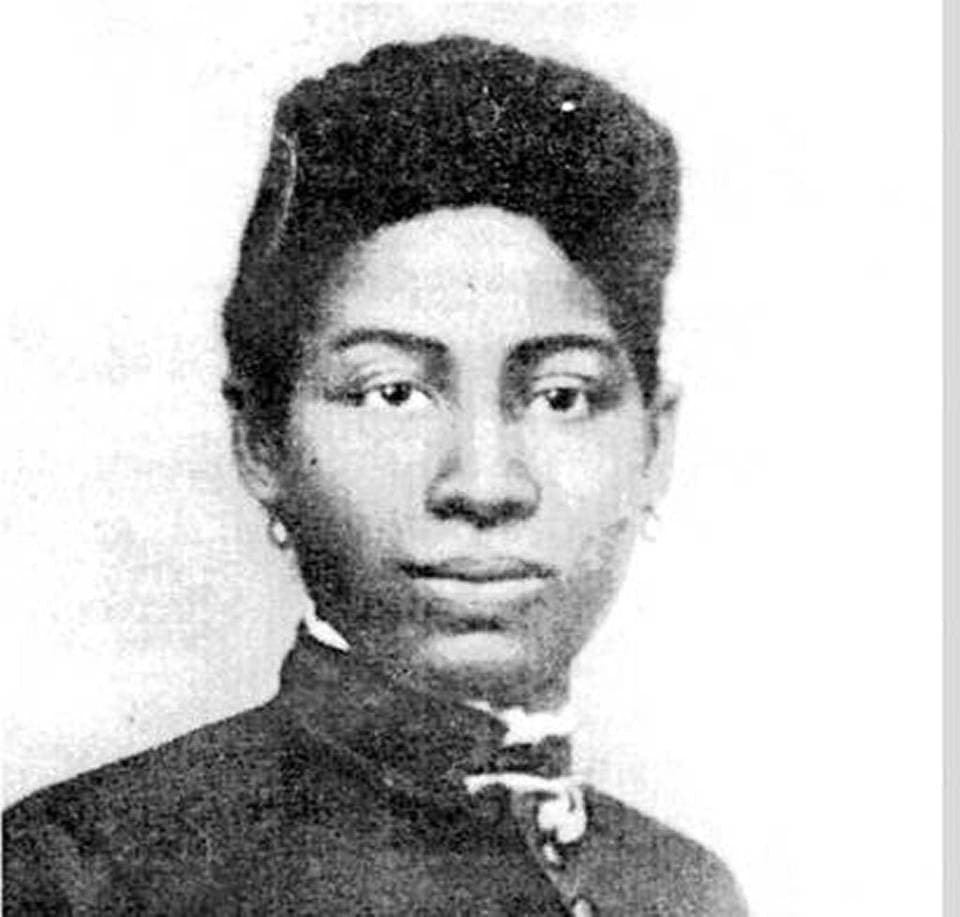
Voorhees freshman wins national HBCU smart cities challenge
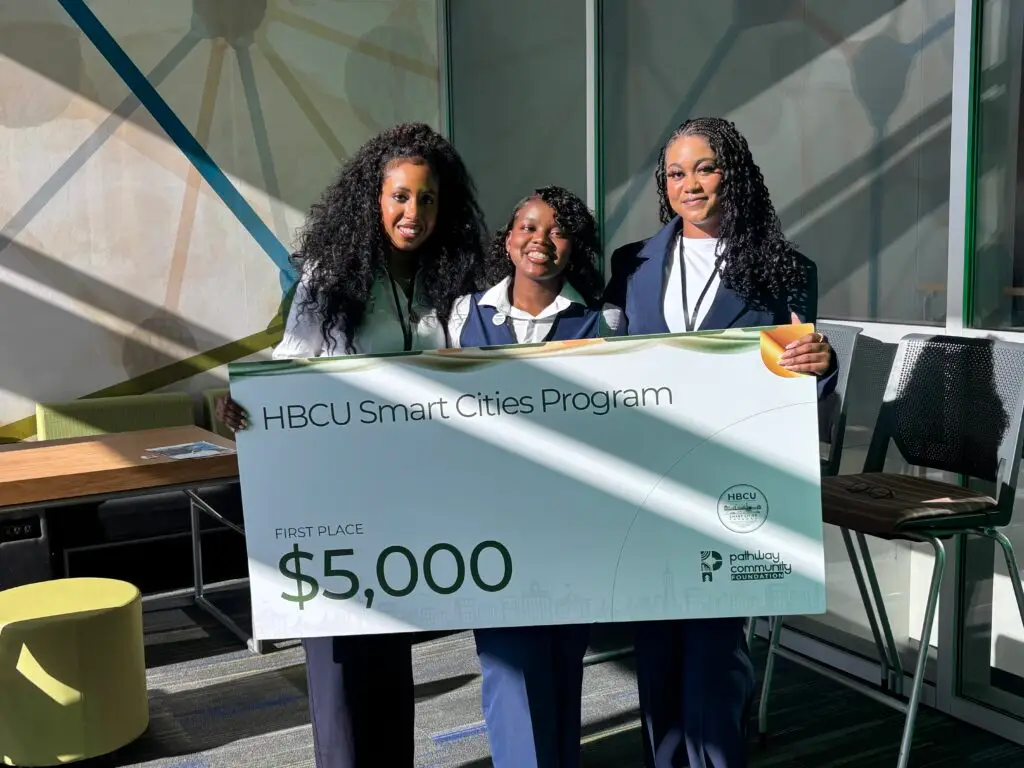
A Voorhees freshman helped win $5,000 in a national HBCU smart cities showcase, putting Denmark and Bamberg County on a wider civic-innovation map.

Josephine Mulenga, a freshman at Voorhees University in Denmark, helped a three-student HBCU team take first place and earn a $5,000 prize in the national HBCU Smart Cities Challenge Showcase for a project built around localized flooding in Henry County, Georgia. The work centered on an advanced stormwater management system designed to give city officials and residents sensor-based alerts, use historical flood data to guide where sensors should go, and track water levels through a real-time GIS dashboard built with Esri ArcGIS technology.
Mulenga was one of only eight fellows chosen from more than 150 applicants nationwide for the ten-week program. The Pathway Community Foundation ran the program with partners that included Mastercard. Her teammates were Lamika Walker of South Carolina State University, who served as project manager, and Sunpairre Tamene of Coppin State University, the other software developer. The team advanced the project at Charlotte Community Tech Day 2026 and later presented at a Demo Day in Henry County on May 5, 2026, where it showed how the system could be used in a real county setting.

Henry County’s stormwater program is built around two priorities, reducing pollution and flood control, and it ties those responsibilities to federal Clean Water Act and NPDES stormwater requirements. The county’s 2024 hazard mitigation plan also keeps Henry County and its cities eligible for FEMA mitigation and flood-assistance grants.
Voorhees is a historically Black college founded in 1897. Dr. Edward Hill, the university’s provost and vice president, said the accomplishment reflects innovation and academic excellence at Voorhees and shows the value of experiential learning. Mulenga has also tied her success to her faith and to the support of mentors, faculty and peers.
This article was produced by Prism’s automated news system from verified source data, official records, and press releases, then run through automated quality and moderation checks before publishing. The system is built and supervised by the people who set the standards it runs under. Read our full AI policy.
Did this article answer your question?