Rain eases drought in Bamberg County, but conditions still need monitoring
Rain trimmed drought status in Bamberg County, but every resident was still in a drought area and farm country remained under close watch.
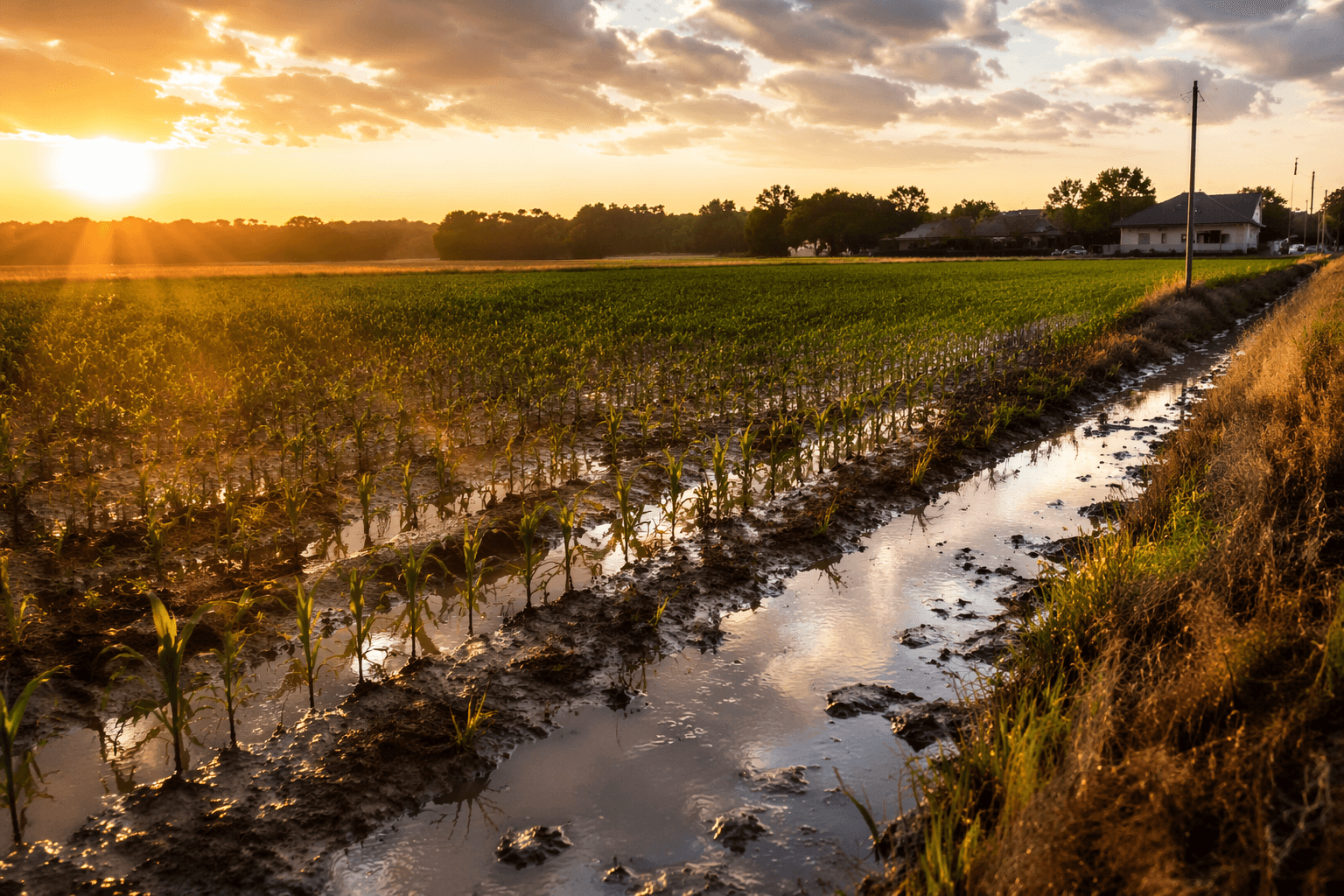
Rain has given Bamberg County a short break from worsening drought, but it has not erased the stress that built up during a dry spring. Recent showers helped lower conditions in Bamberg, Orangeburg and Calhoun counties from extreme to severe, a meaningful change for a rural county where crop fields, private wells, dirt roads and outdoor work all feel the strain quickly.
The broader picture across South Carolina was still grim. Drought.gov said 4.6 million South Carolina residents were living in areas of drought, and the state had its third driest April on record and its driest January-through-April stretch on record since 1895. In Bamberg County, 15,987 people, or 100% of the county, were affected by drought. The county also logged its second driest April on record over 132 years and its driest January-through-April period on record over the same span.
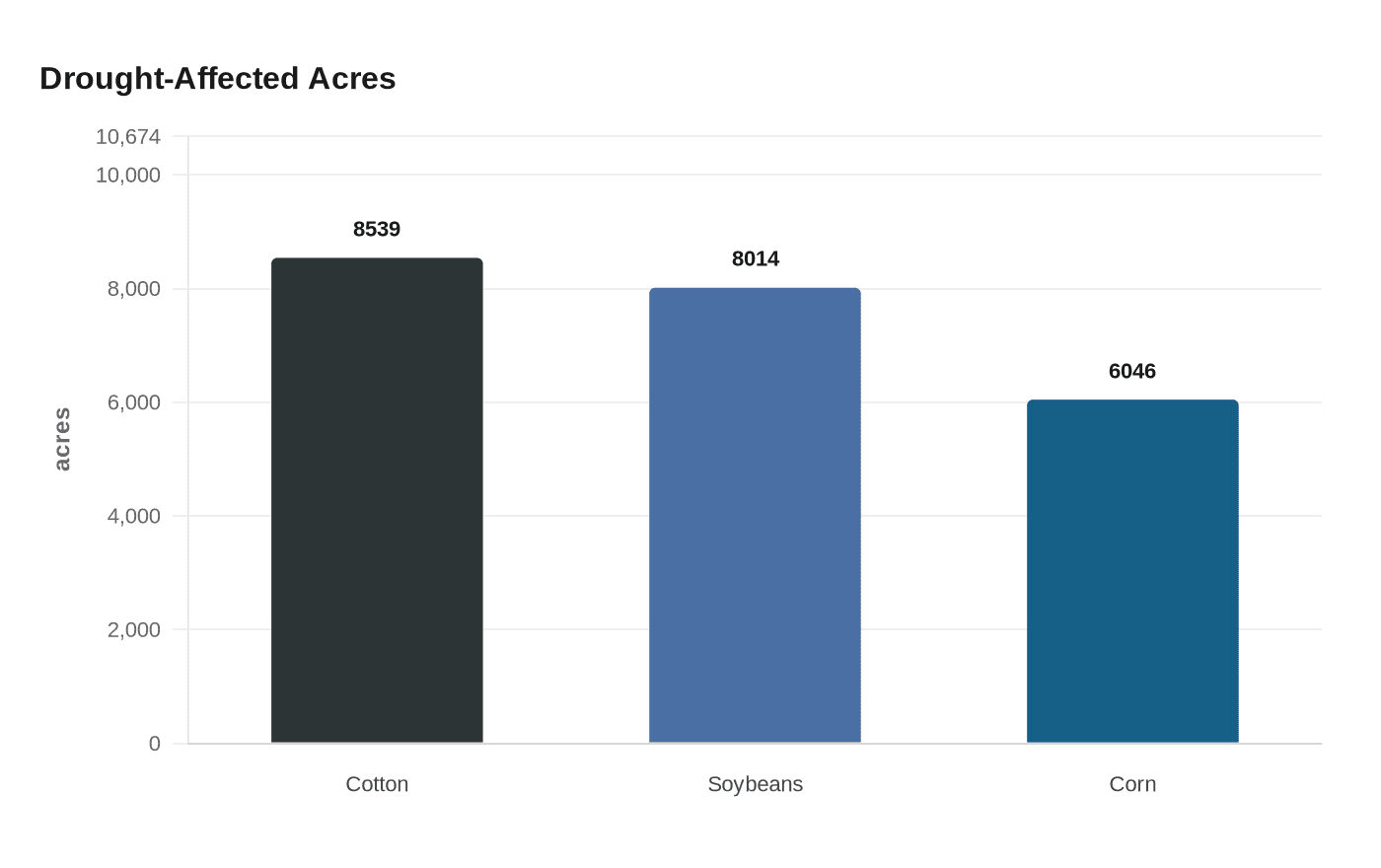
That matters because the drought was not just a weather headline. Drought.gov estimated that 8,539 acres of cotton, 8,014 acres of soybeans and 6,046 acres of corn in Bamberg County were in D1 through D4 drought conditions, along with 3,709 cattle and 489 hogs. In a county where agriculture is central to the local economy, even modest rain can change planting schedules, pasture conditions and how quickly farms can recover from a dry spell. It can also affect road dust, drainage and the pace of mowing, fieldwork and other outdoor projects across the county.
The state’s drought rules also show why the recent rain may not be the final word. The South Carolina Drought Response Committee, which includes five state agencies and 48 local stakeholders, sets county-level drought status and can recommend limits on non-essential water use. South Carolina’s drought categories range from normal to incipient, moderate, severe and extreme, and state regulations allow mandatory reduction or curtailment of non-essential water use if severe or extreme conditions warrant it. That makes continued monitoring important even after a helpful round of rain.
National weather outlooks pointed in the same direction. NOAA’s Climate Prediction Center said its June drought outlook, posted May 31, expanded the area of forecast improvement or removal across much of South Carolina after late-May precipitation and expected early-June rain. Still, forecasters warned drought could strengthen again later in summer if July and August rainfall falls short. For Bamberg County, that means the rain helped, but it did not end the problem.
This article was produced by Prism’s automated news system from verified source data, official records, and press releases, then run through automated quality and moderation checks before publishing. The system is built and supervised by the people who set the standards it runs under. Read our full AI policy.
Know something we missed? Have a correction or additional information?
Submit a Tip