Aloha Grown shirt collaboration raises funds for The Food Basket
Hilo shirts by Kailah Ogawa are sending every dollar to The Food Basket through May 31, turning a retail drop into island hunger relief.
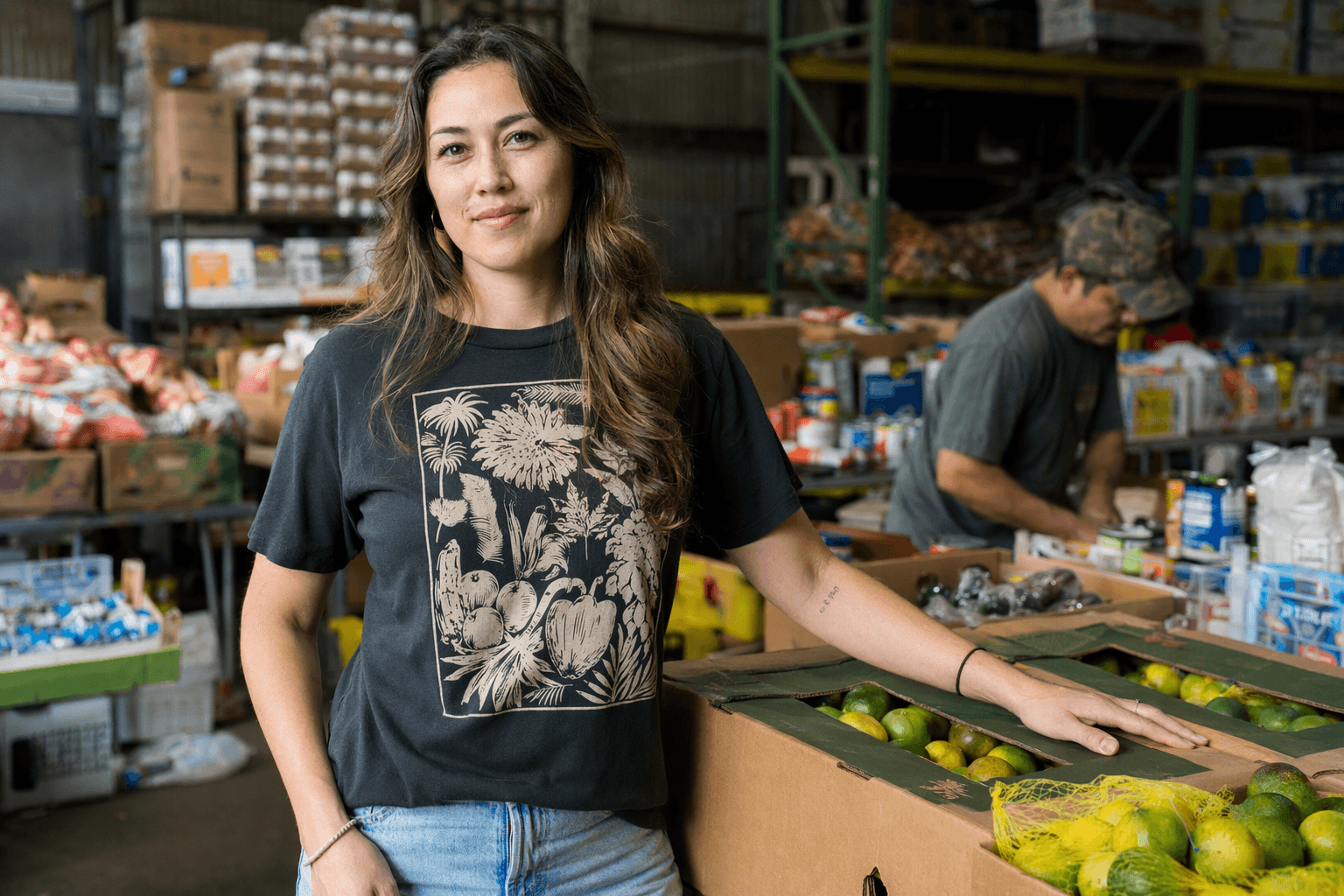
Every shirt sold in Aloha Grown’s Mālama Kākou collaboration sends money straight to Hawaii Island’s largest food bank, linking a Hilo brand, a Hilo-born artist and the island’s hunger fight in one retail campaign.
Aloha Grown asked Kailah Ogawa to create two original designs, Work of Care and Mālama Hilo, for the limited run. All proceeds from the shirts go directly to The Food Basket through May 31, 2026, turning a clothing release into a direct fundraiser rather than a standard merch drop. Aloha Grown founder Randy Kurohara saw Ogawa as a natural fit for the project, a sign that this collaboration grew out of existing Hilo relationships instead of outside branding.
The Food Basket describes itself as Hawaii Island’s food bank, with programs that support food security, sustainability and health across Hawaii Island. That mission lands in a place where the need remains steep. A January 2026 Hawaii Public Radio report estimated 90,000 people on Hawaii Island were battling some degree of food insecurity. A statewide 2025 report from Hawaii’s Foodbank Hui put the number of people in Hawaii who often do not know where their next meal will come from at about 427,000.
The scale of local giving shows why small-business partnerships matter. In November 2024, Orchid Isle Ford donated 1,300 pounds of food and $10,000 to The Food Basket. The nonprofit said that cash alone could provide more than 24,000 meals at its average cost of 41 cents per meal. Mālama Kākou does not match that size, but it uses the same basic formula: local spending is routed into a local institution that can turn dollars into meals.
That model is not new for Aloha Grown. In 2017, the company said 2 percent of every sale went to its Mālama Honua Fund, which awards local nonprofits, schools, organizations and initiatives. The new shirt collaboration extends that history while keeping the creative work rooted in Hilo and the cause rooted in Hawaii Island’s food system. Because The Food Basket’s broader work also connects with Hawaii Island farmers, the campaign reaches beyond charity and into the island economy itself.
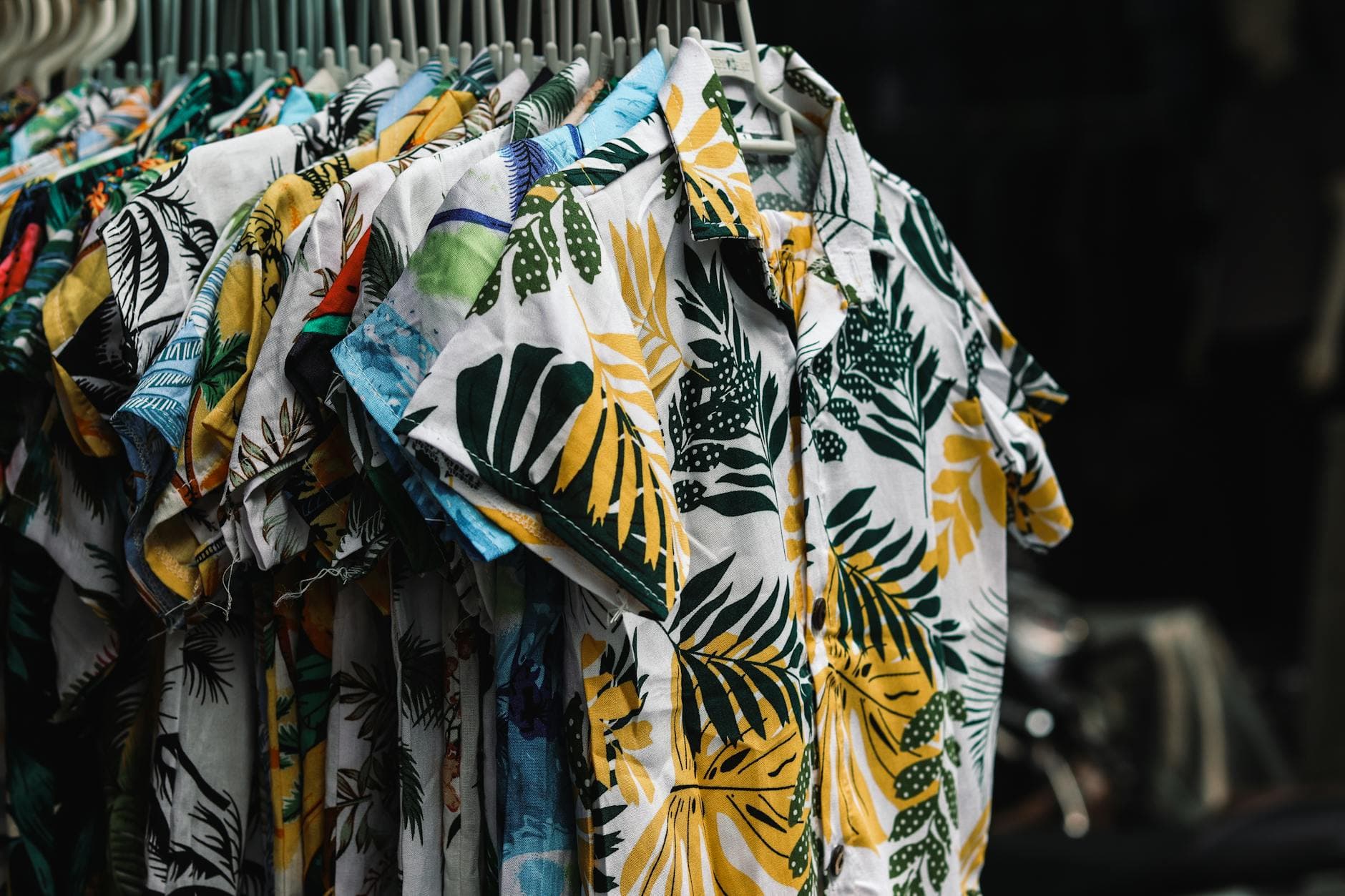
For Big Island readers, the significance is practical. A shirt bought in Hilo now helps fund food security for island families, keeps design work local and reinforces the network of farmers, businesses and nonprofits that already carries much of Hawaii Island’s social safety net.
Know something we missed? Have a correction or additional information?
Submit a Tip