Hilo meeting launched Hawaii's papaya industry, shaping East Hawaii agriculture
Hilo’s 1965 papaya meeting built a Big Island industry now down to 500 bearing acres, but virus pressure and thin margins still threaten it.
Why papaya still matters to the Big Island economy
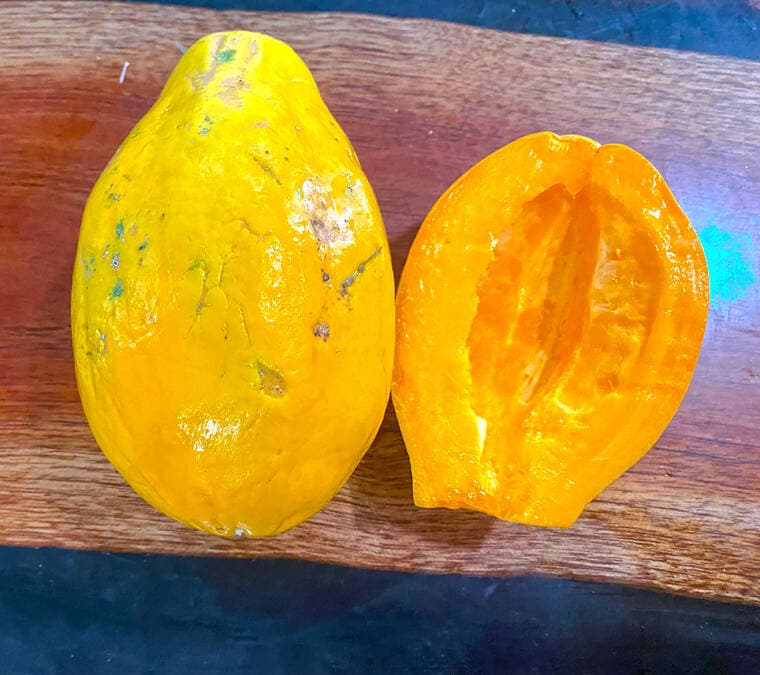
Papaya may no longer occupy the broad acreage it once did, but it still sits at the center of East Hawaii agriculture. USDA’s National Agricultural Statistics Service estimated 500 bearing acres statewide in 2022, while Hawaii’s papaya crop was valued at $6.5 million in 2023 and totaled 9.54 million pounds of utilized production. That scale is smaller than the industry’s historic peak, yet it still supports growers, packers, shippers and the institutions that help keep a fragile crop alive.
How Hilo became the industry’s organizing ground
The modern papaya business in Hawaii took shape in Hilo on November 13, 1965, when about 150 producers, handlers, wholesalers, shippers, University of Hawaii representatives and government officials gathered at the old Hilo Hotel. That meeting helped launch the Hawaii Papaya Industry Association, turning scattered growers into a more organized commercial force with a shared voice on marketing and production problems.
The association’s role became formal in 1978, when it was incorporated in the state as a nonprofit to complement the marketing order and carry out its broader vision. That matters because papaya in Hawaii has never been just a crop. It has depended on coordination among farms, packers and public institutions, and Hilo has remained the place where those relationships come together. For East Hawaii, the industry’s history is also a reminder that agriculture here has always been shaped by organization as much as by soil and rain.
Why the Big Island took over papaya production
Papaya production moved from Oahu to the Big Island in the 1960s, and the shift quickly made Hawaii Island the crop’s dominant home. By 1989, about 97.4% of Hawaii’s papayas were produced on the Big Island, a striking concentration that shows how completely the industry became tied to this island’s agricultural landscape. University of Hawaii CTAHR has described the overwhelming majority of papayas as being grown on the Big Island, with 1989 marking the highest fresh utilization period at 64 million pounds.
That concentration helped papaya become a signature East Hawaii crop, but it also made the industry more exposed when disease hit. Once the crop was centered on the Big Island, any threat in Hilo, Puna or nearby growing areas could ripple through the whole state’s supply.
The virus that nearly wiped it out
Papaya ringspot virus has been the defining danger for Hawaii’s papaya farms. The disease was first described in Hawaii in 1949, back when most of the territory’s papayas were still grown on Oahu. As production shifted east, the virus followed. University of Hawaii sources say PRSV reached Hilo and Puna in the 1970s, putting Big Island plantings under severe pressure and pushing the industry toward collapse by the late 1990s.
The turnaround came through biotechnology. In 1998, transgenic papaya cultivars SunUp and Rainbow were commercialized in Hawaii, and USDA Agricultural Research Service has described them as having saved the state’s papaya industry from devastation by PRSV. That is still one of the clearest examples of science and agriculture working together in Hawaii: a crop that could not survive the virus without a new tool, and an industry that survived because growers adopted it.
A smaller industry fighting to stay competitive
Even with virus-resistant varieties, papaya remains a business with thin margins and constant pressure. Eric Weinert, president of the Hilo-based Hawaii Papaya Industry Association, has said about 100 growers pack papayas year-round. That number captures both resilience and vulnerability. There are still enough growers to sustain an organized industry, but not enough to absorb large shocks without coordination, shared logistics and disciplined cost control.
That makes acreage a business issue as much as an agricultural one. With only 500 bearing acres statewide in 2022, growers have to make each acre work harder through disease management, efficient packing and dependable market access. The crop still competes in a market where labor, shipping, fertilizer and replanting costs can quickly erase profit. In that environment, the question is not whether papaya remains important to Big Island agriculture. The question is whether local growers can stay efficient enough to keep it profitable.
What the pandemic showed about papaya’s margins
The industry’s response in 2020 showed just how quickly market disruptions can threaten farm income. During the pandemic, the Hawaii Papaya Industry Association worked with the University of Hawaii’s College of Tropical Agriculture and Human Resources on a plan to move unsold papayas to pig farmers. Growers could order an 800-pound bin for $10, with pickups at Calavo Growers in Keaau.
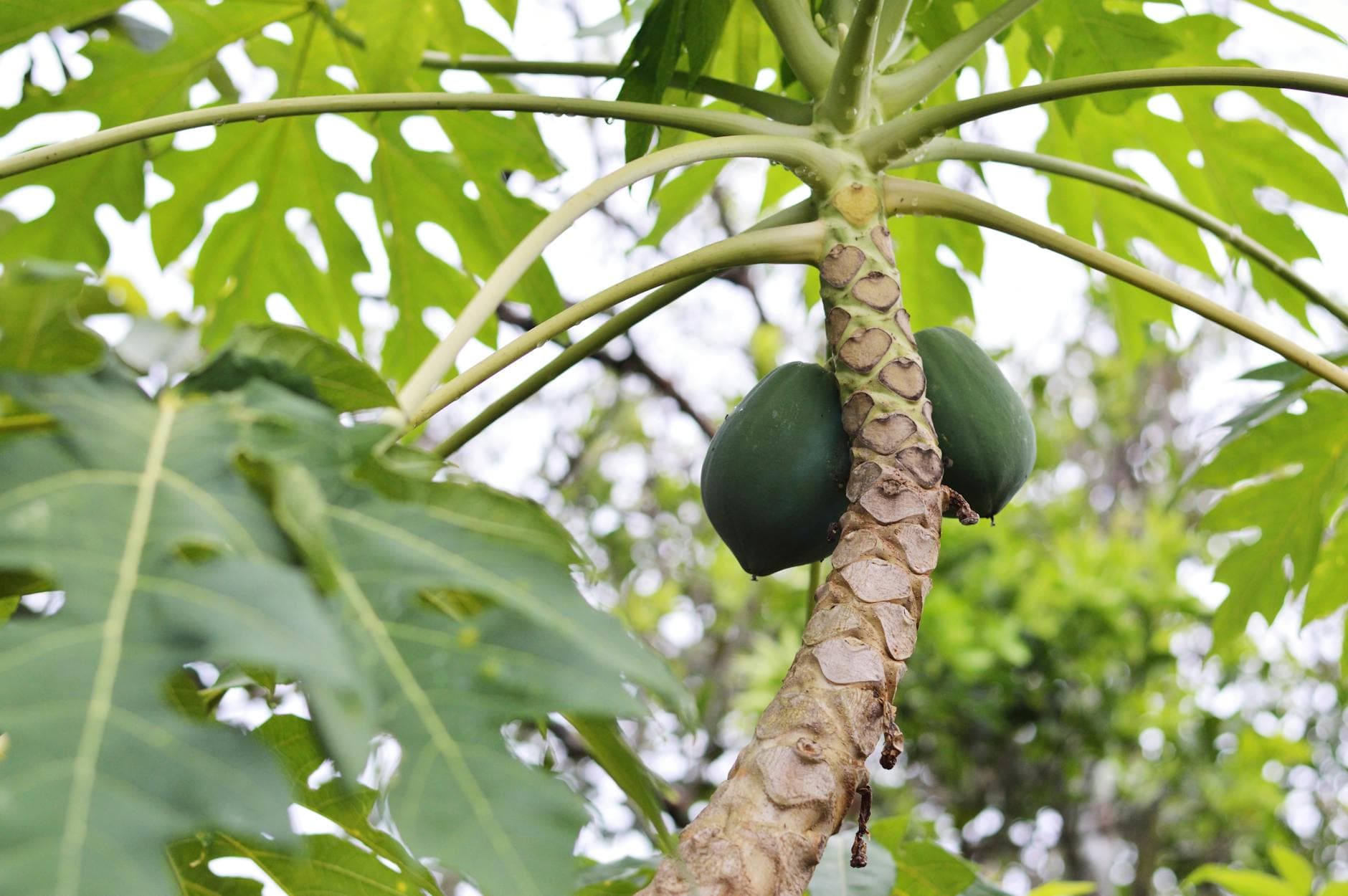
That was not a side note. It was a practical emergency outlet for fruit that otherwise might not have been sold, and it showed how closely the industry depends on fast, local coordination when demand changes. The episode also underscored a larger truth about papaya on the Big Island: survival often depends on finding a use for every box, every bin and every harvest window.
Why papaya still matters now
Papaya matters to the Big Island because it remains one of the few crops with a deep local history, a working industry structure and a clear link between research and farm survival. Hilo is still the symbolic center, East Hawaii is still the production core, and the crop still reflects the island’s broader agricultural identity.
The industry’s future will hinge on the same forces that have shaped it for decades: disease pressure, limited acreage, production costs and the ability of growers to stay competitive in a small but demanding market. Papaya has already survived one near-death experience. Its next test is whether the Big Island can keep enough growers in business to make that survival last.
Know something we missed? Have a correction or additional information?
Submit a Tip