Big Island resilience conference aims to boost disaster response skills
When roads close and supplies stall, this Hilo conference is built to teach Big Island residents how to respond in the first 24 hours of a disaster.
When the island is hit, the first hours matter most
A closed road in Puna, a flooded crossing, or a power outage that stretches overnight can turn a normal neighborhood into an island within an island. That is the reality behind the Vibrant Hawaii Resilience Conference, a two-day, in-person training set for Friday, June 12, and Saturday, June 13, 2026, at the University of Hawaii at Hilo, 200 W Kawili St., Hilo, from 8:00 a.m. to 5:00 p.m. each day.
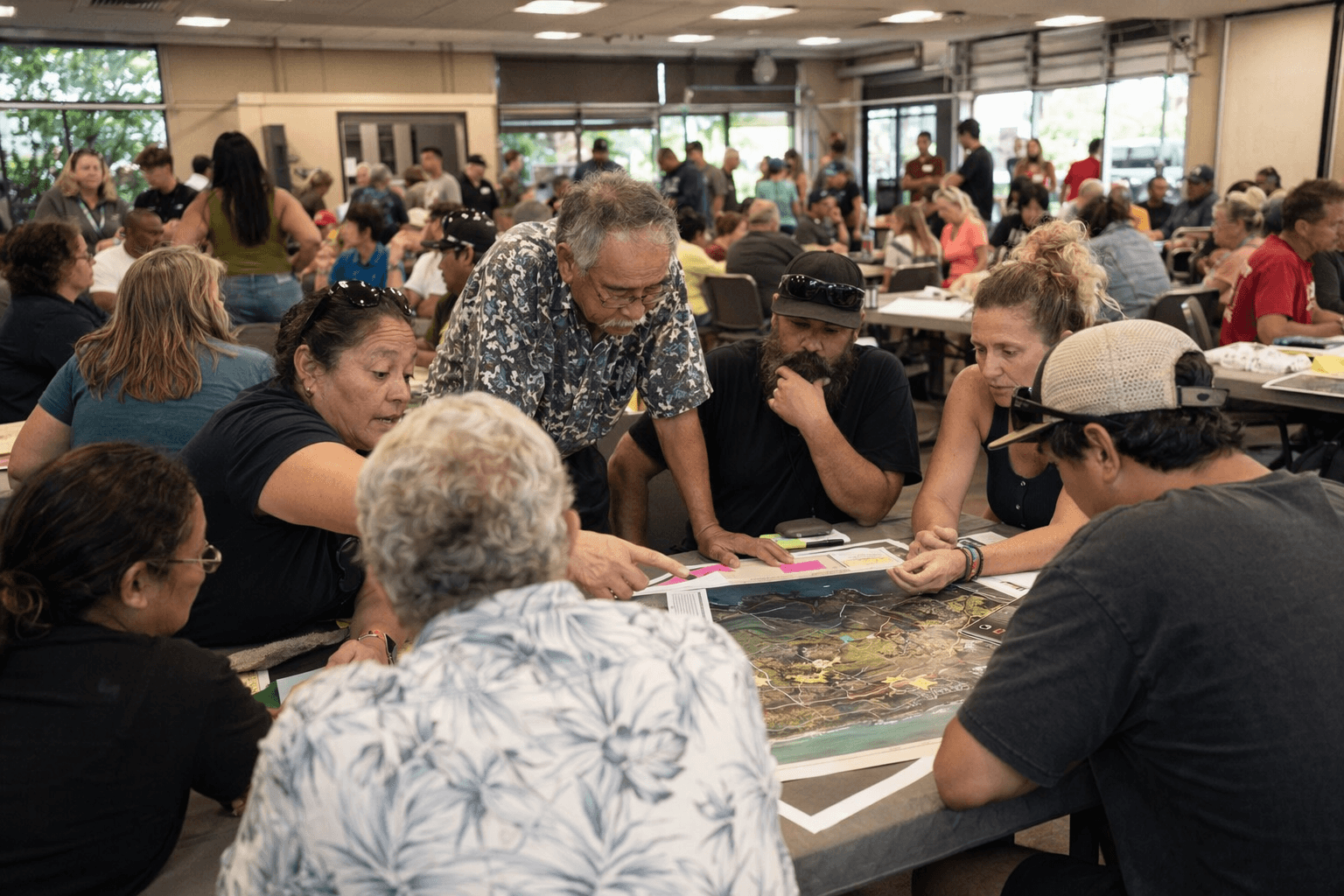
The point of the conference is not general awareness. It is to help people on Hawaii Island build the practical skills and relationships needed when hurricanes, flooding, lava-related disruptions, or other emergencies interrupt daily life and cut communities off from outside help.
Why this training fits Big Island reality
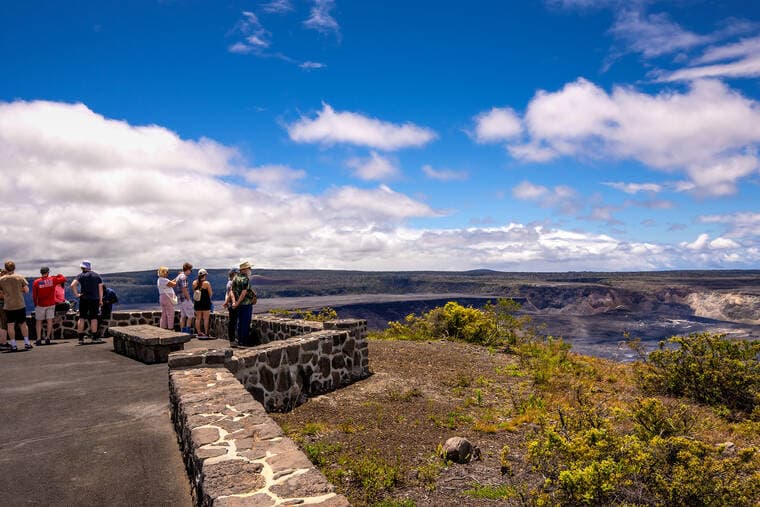
Hawaii Island has learned, repeatedly, that disaster response is not theoretical. The 2018 Kīlauea East Rift Zone eruption destroyed more than 700 homes, displaced about 2,000 people, created 875 acres of new land, and covered nearly 14 square miles with lava. Entire neighborhoods, including Kapoho Vacationland, Lanipuna Gardens, and Kapoho Beach Lots, were wiped out.
That history still shapes how residents think about readiness, especially in places that can be isolated fast by road closures, volcanic activity, or severe weather. Hawaii County also issued an emergency proclamation in April 2026 citing severe weather along with concurrent volcanic and coastal hazards, a reminder that the island continues to face overlapping threats rather than one clear emergency at a time.
The conference arrives in the middle of the current hurricane planning cycle, with the National Oceanic and Atmospheric Administration and the National Hurricane Center already publishing 2026 hurricane season products. On a county where one major storm can trigger outages, supply interruptions, and shelter needs all at once, the timing is practical.
What the conference is designed to teach
Vibrant Hawaii says the event is built around six training tracks, each aimed at a different job that becomes urgent during a crisis. That matters because disaster response is rarely handled by one agency alone. It depends on people who can treat injuries, organize volunteers, staff shelters, support survivors emotionally, and keep food moving when normal supply lines are disrupted.
The six tracks are:
- Medical response and first aid, including community first aid, triage, patient support, and coordination with medical systems.
- Mental health and emotional care, with psychological first aid, stress response, and community-based emotional support.
- Volunteer and donation coordination, which helps turn spontaneous goodwill into useful, organized help.
- Shelter operations, a crucial skill set when families need safe indoor space quickly.
- Long-term recovery, because the work continues long after the initial rescue.
- Food access during disruptions, a reminder that grocery shelves and delivery routes can fail even when the immediate danger has passed.
Taken together, these tracks make the conference more than a seminar. They are the building blocks of a response network that can function when formal systems are stretched thin.
Who should pay attention
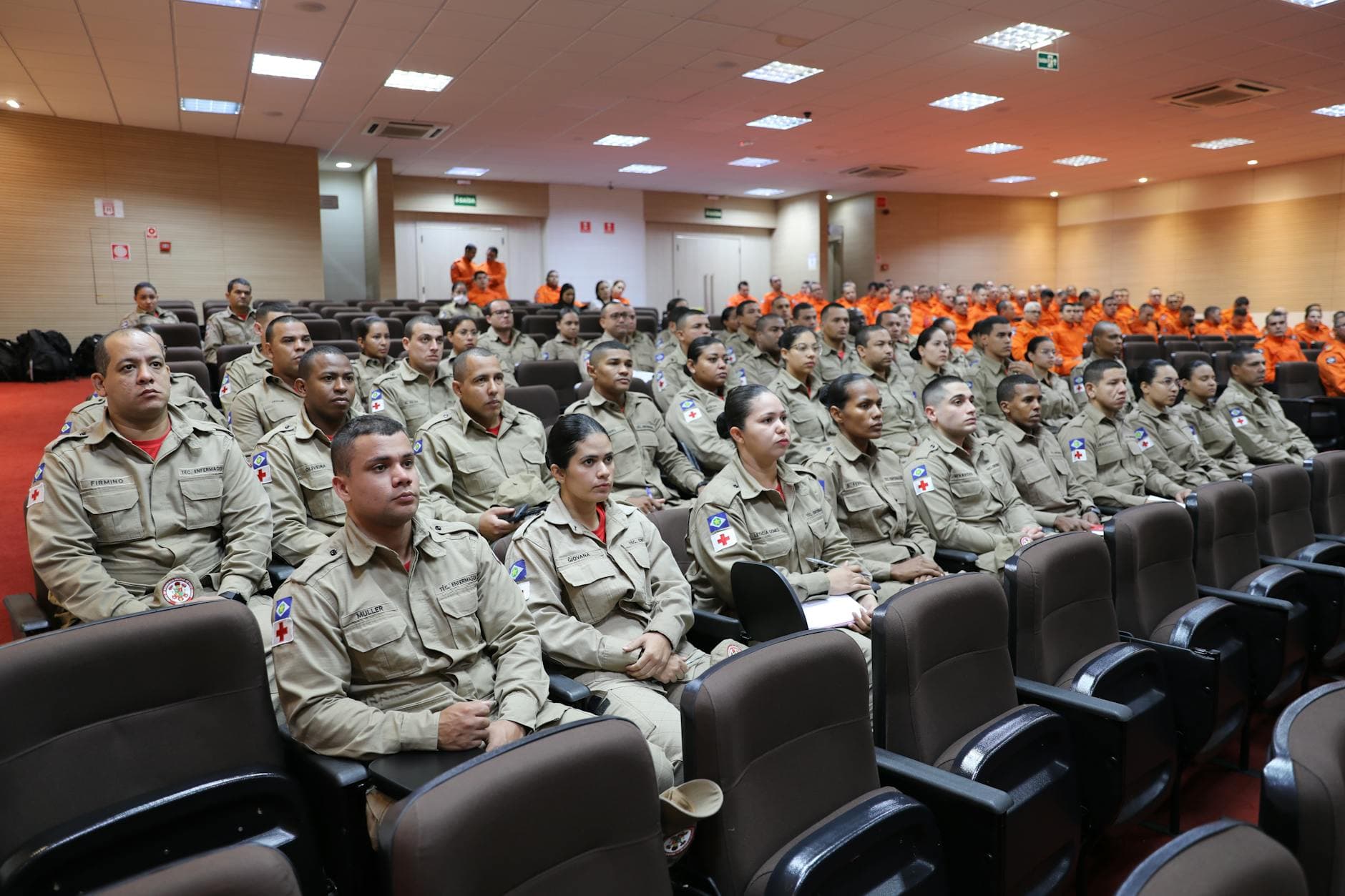
The conference is open to community leaders, volunteers, health professionals, nonprofit staff, faith-based organizations, and business partners. That mix reflects how disaster response really works on Hawaii Island: church groups often help with sheltering, nonprofits manage donations and recovery support, medical workers handle triage and care, and local businesses can be key to supply access and logistics.
That range also reflects a basic truth about isolated communities. If a bridge is closed or a storm stalls deliveries, the people already embedded in the community are the ones who often respond first. The conference is aimed at strengthening those front-line relationships before the next emergency arrives.
For families in Hilo, Puna, Kaū, and other areas that can be cut off by weather or volcanic conditions, the value is in the spillover effect. One trained volunteer, one better-prepared church, or one nonprofit that knows how to coordinate donations can change how quickly help reaches a neighborhood in the first 24 hours.
How the county’s emergency mission connects to the conference
Hawaii County Civil Defense says its mission is to protect the community from natural and man-made hazards and strengthen community resiliency through collaboration, engagement, and empowerment. Talmadge Magno, the agency’s administrator, has overseen countywide emergency management for more than 30 years in public service and has led responses to the 2018 Kīlauea eruption and the 2022 Mauna Loa eruption.
That background matters because it shows the county’s emergency planning is based on lived experience, not abstract policy. The county has had to deal with volcanic gas, ash, flooding, road closures, and evacuation pressure, often in the same season. A training conference that emphasizes shared skills and real-world scenarios fits that all-hazards approach.
Hawaii County Civil Defense has also said its partnership with Vibrant Hawaii supports preparedness and resilience work across the island. In practice, that means the conference is part of a larger effort to connect the county’s formal emergency system with the volunteers, faith groups, health workers, and nonprofits that often become essential once a crisis begins.
What residents can bring home from it
The most useful outcome of a conference like this is not just information. It is a clearer playbook for the first day of an emergency. Attendees can come away with a better sense of who should do what, how to coordinate with others, and how to keep a community functioning when food, shelter, and medical needs rise at the same time.
- knowing which local contacts to call when roads are blocked,
- understanding how shelter operations work before an evacuation is needed,
- recognizing how volunteer and donation coordination prevents chaos,
- and learning how mental health support fits into recovery, not just response.
For households, the real benefit is concrete preparation:
On Hawaii Island, where one eruption, storm, or flood can ripple through the entire county, resilience is not a slogan. It is a set of skills, relationships, and habits that determine whether a neighborhood can absorb the shock and recover. The June 12 and June 13 conference is built around that reality, and for many residents, it may be the difference between improvising in the dark and knowing exactly how to help when the next emergency hits.
Know something we missed? Have a correction or additional information?
Submit a Tip