Downtown Hilo to host World Bee Day event celebrating pollinators
Bees help power a $212 million slice of Hawaii agriculture, and Hilo's World Bee Day event will put that value on display next Saturday.
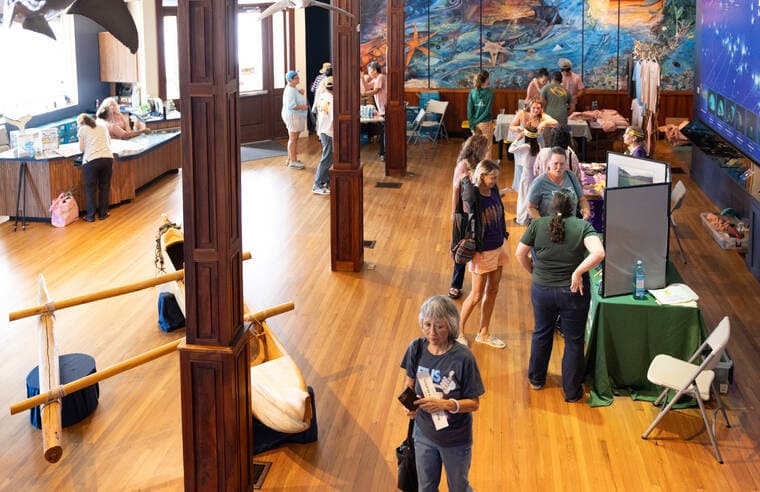
Downtown Hilo will turn the Mokupapapa Discovery Center corner into a gathering place for one of the island’s most overlooked agricultural assets: pollinators. The fourth annual World Bee Day Hawaii event will run from 10 a.m. to 3 p.m. next Saturday at Waianuenue and Kamehameha avenues, with honey tastings, local vendors and a clear message that bees matter to the Big Island’s food economy.
That message carries real weight. The United Nations says bees and other pollinators help improve food production for 2 billion small farmers worldwide, and World Bee Day has been observed every May 20 since 2018 to honor Anton Janša, a pioneer of modern beekeeping. On Hawaii Island, the stakes are even closer to home. University of Hawaii’s Mālama Pua: Hawai‘i Pollinator Collaborative says honey bees are the single most important pollinators for agriculture in Hawaii and provide an estimated $212 million a year in pollination services.
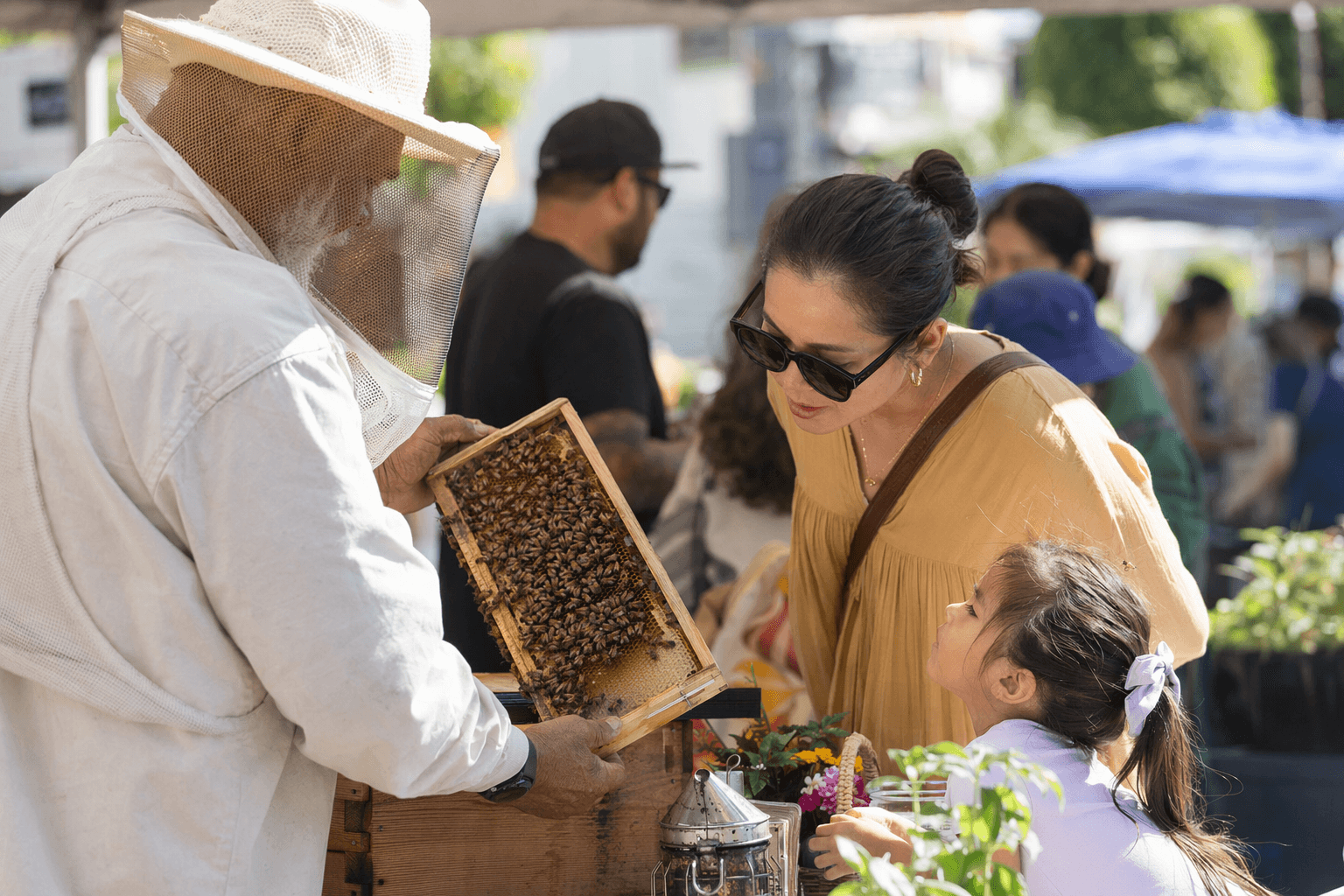
The crop list behind that number is local and familiar: macadamia nuts, coffee and cucumbers among them. UH materials also say Hawaiian honey was valued at $4.2 million in 2017 and that Hawaii ranks first in the nation for pounds of honey produced per colony, underscoring how pollinators connect backyard harvests, small farms and commercial agriculture across the state.
The pressure on those bees is also local. UH says the Varroa destructor mite is the single most damaging stressor of honey bees in Hawaii and is present on Oahu and the Big Island. The same materials say managed pollinators have become more important because feral bees have been lost in those places, making the work of beekeepers more central to the island’s agricultural resilience.
Organizer Susan Collins, who owns Bird and Bee Hawaii, said the Hilo event has grown from a shoestring effort she mostly funded out of pocket into a larger attraction supported by grants over the past two years. Last year’s turnout topped 1,100 people, with vendors made up mostly of beekeepers, small farms and nonprofits focused on environmental causes. Collins launched the first Hilo event in 2023 at Mokupapapa Discovery Center to help educate keiki, families and the public about honeybees and other pollinators.
This year’s program will include free honey tastings, hands-on crafts for adults and children, guest speakers, a cooking demonstration using honey and local vendors selling hive-related products. The event website also lists art activities, networking opportunities and an affiliated after-party with Kvasir’s Mead at Mokupapapa Discovery Center. For downtown Hilo, the event is also a foot-traffic generator, bringing visitors into an area where lingering over lunch, shopping and local purchases helps nearby businesses.
Collins has said she wants World Bee Day Hawaii to become something owned by the broader community, and in Hilo the event is built around a practical truth: pollinator health shows up in farm income, food security and the island’s biodiversity.
This article was produced by Prism’s automated news system from verified source data, official records, and press releases, then run through automated quality and moderation checks before publishing. The system is built and supervised by the people who set the standards it runs under. Read our full AI policy.
Did this article answer your question?