Federal fireworks case against two East Hawaii men stalls again
Federal prosecutors say the alleged East Hawaii fireworks pipeline moved more than 18.5 tons, but the case has already been delayed three times and now waits until Aug. 21.
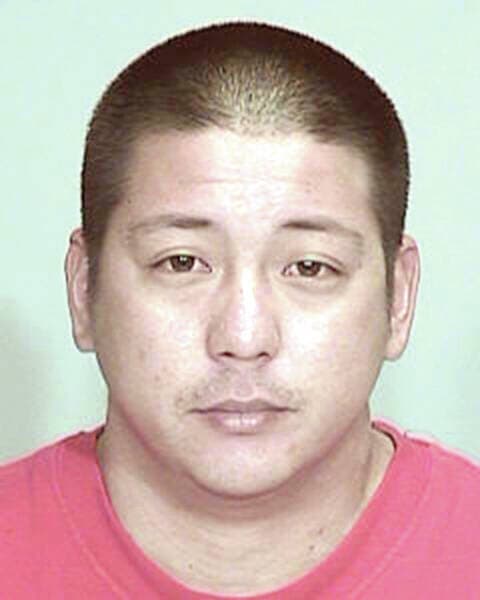
A federal fireworks case tied to Keaau and Hilo is slipping far beyond its original schedule, even as prosecutors say the alleged operation funneled more than 18.5 tons of illegal fireworks into Hawaii. Darrel Goo, 52, and Cy Tamura, 45, first appeared in Honolulu federal court on Dec. 30, but they still had not entered pleas more than six months later.
On June 12, U.S. Magistrate Judge Barry Kurren granted a third continuance and reset the preliminary hearing for Aug. 21 before a different magistrate judge. The hearing had originally been set for Jan. 20, a timeline that has now stretched by seven months. Both men remain free on $50,000 bail.
The delay reflects how much evidence federal prosecutors say they still have to sort through. Court filings say defense counsel needed more time to review voluminous discovery and discuss the offenses, and Kurren excluded the delay from Speedy Trial Act calculations. The charges include conspiracy, transporting fireworks into Hawaii, and engaging in the business of distributing and storing explosive materials. Goo also faces additional counts tied to interstate explosives handling and a felon-in-possession allegation.
The complaint describes a large-scale distribution network, not a one-off smuggling case. Investigators say Goo and Tamura had been illegally bringing fireworks into the state for distribution since at least 2017. Law enforcement covertly seized about two shipping containers of fireworks before they were shipped to Hawaii, and search warrants executed in August 2025 turned up thousands of pounds of illegal fireworks, cash, firearms, explosive devices, and thousands of rounds of ammunition at the two homes in and around the Hilo area. The combined fireworks seized after those searches weighed more than 37,000 pounds.
Prosecutors also say Goo made annual bulk buys as large as $131,000 between May 2016 and July 2025, a detail that suggests an organized pipeline with steady purchasing power and distribution capacity. For Big Island residents, the case goes well beyond nuisance fireworks. Illegal shipments are tied to fire risk, neighborhood disturbance, and the question of how much of the state’s underground supply chain still reaches East Hawaii homes and storage sites.
The stalled pace comes as state officials have moved to treat illegal fireworks as a public-safety emergency. After the Aliamanu New Year’s Eve blast that killed six people and injured about 20, Gov. Josh Green signed two fireworks bills on June 30, 2025. The Legislature said illegal fireworks pose an extreme danger and lethal risk to public health and safety, and one new law sets aside $1 million in each of two fiscal years for drones to monitor illegal fireworks. In that context, the Goo-Tamura case has become a test of whether Hawaii can disrupt the market itself, not just punish the spark at the end of it.
This article was produced by Prism’s automated news system from verified source data, official records, and press releases, then run through automated quality and moderation checks before publishing. The system is built and supervised by the people who set the standards it runs under. Read our full AI policy.
Did this article answer your question?