Hale Ānuenue marks 30 years of care, resilience in Hilo
Hale Ānuenue marked 30 years in Hilo with 91 residents, rehab care and longtime staff, a reminder of how much East Hawaii depends on its elder-care capacity.
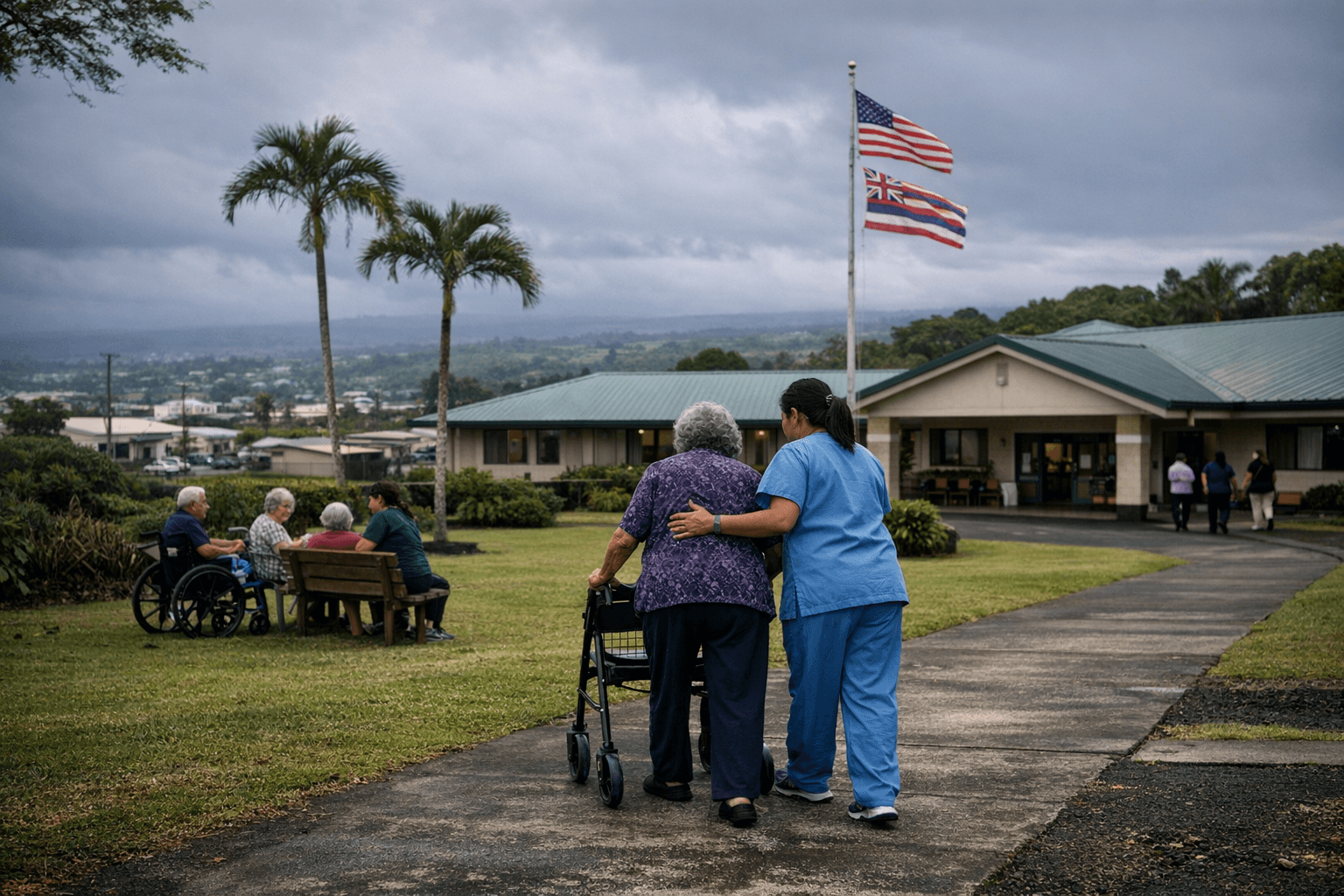
Hale Ānuenue Restorative Care Center marked 30 years in Hilo with historical photographs in the lobby, Hawaiian music from current and retired employees, and hula from Hālau Hula O Kahikilaulani. The celebration was festive, but the milestone also put a spotlight on a much bigger issue for Big Island families: how much local elder-care capacity depends on one facility staying strong.
Executive Director Donna Okinaka framed the anniversary as a pearl year, a fitting image for a center that has had to be cultivated through time, resilience and repeated challenges. Over three decades, Hale Ānuenue has weathered earthquakes, lava and the COVID-19 pandemic while continuing to serve kūpuna who need more than a place to stay. The facility currently cares for 91 residents and provides around-the-clock skilled nursing, Alzheimer’s and dementia care, and rehabilitation services, including physical, occupational and speech therapy.
That mix of services makes the Hilo center part of the island’s broader healthcare chain, especially because it sits across from Hilo Benioff Medical Center. For families moving a loved one out of the hospital, or trying to avoid a far more disruptive transfer to the other side of the island, Hale Ānuenue offers a local bridge between acute care, recovery and long-term living. It is also one of the few places where residents can receive short-term rehabilitation after surgery, then transition into longer-term support if recovery does not go as planned.
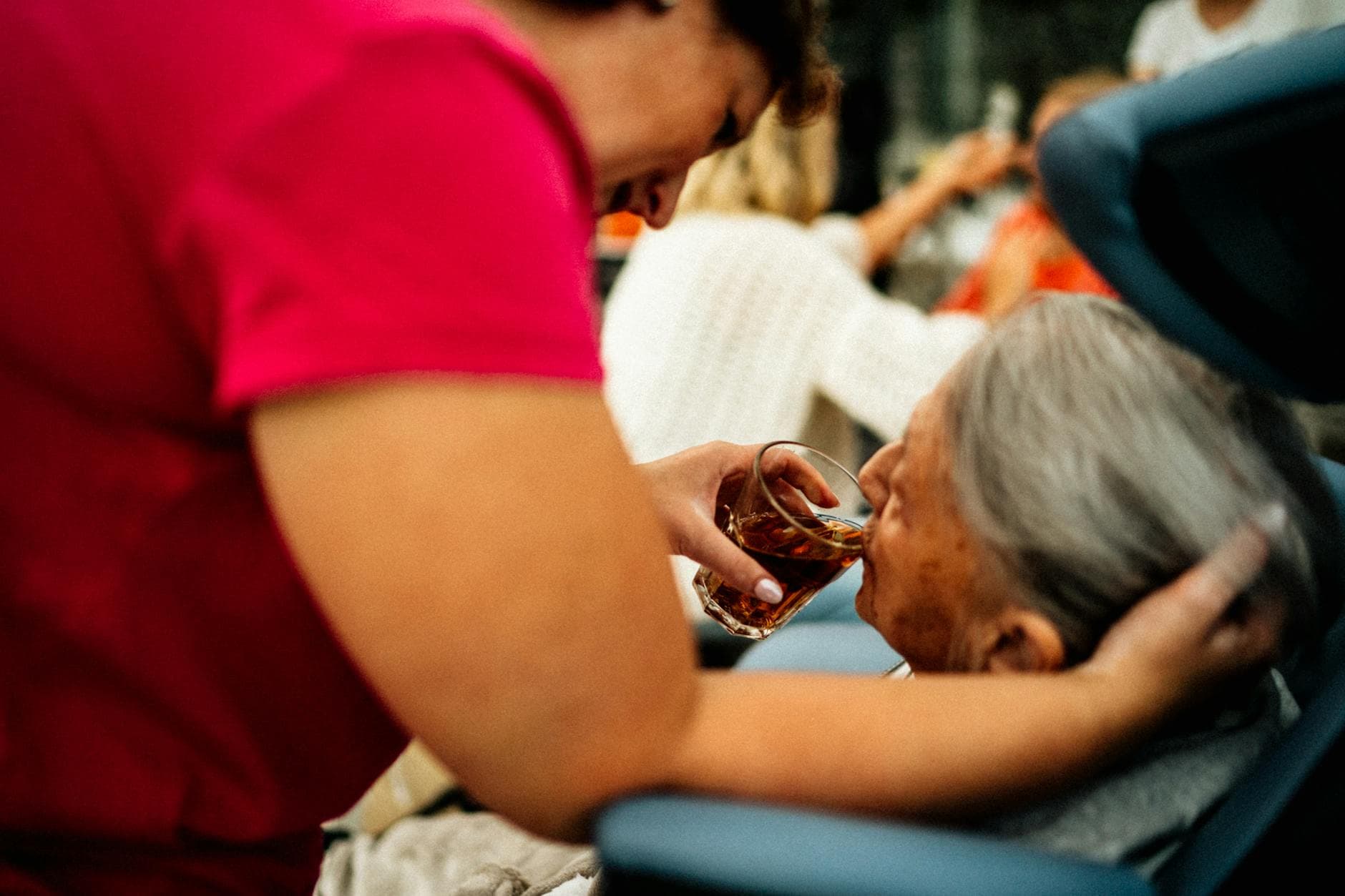
The center’s role goes beyond beds and treatment plans. Five employees were honored for having worked there since the facility opened in 1996, a sign that much of Hale Ānuenue’s value comes from continuity, not just services. Longtime staff know residents, and they know families who have returned over multiple generations when a parent, grandparent or spouse needed help. That kind of trust is not easy to replace, and it is one reason the facility remains deeply woven into East Hawaii’s health-care network.
As the island population continues to age, the stakes grow clearer. If a place like Hale Ānuenue lost capacity, Big Island families would have fewer local options for post-operative recovery, dementia care and long-term support, and more pressure to make difficult choices about aging at home. In Hilo, the center’s 30-year mark was a celebration, but it was also a reminder that stable elder care is a community asset that takes decades to build and can be hard to replace.
This article was produced by Prism’s automated news system from verified source data, official records, and press releases, then run through automated quality and moderation checks before publishing. The system is built and supervised by the people who set the standards it runs under. Read our full AI policy.
Did this article answer your question?