Hāmākua Energy to brief public on island power plans June 30
Hāmākua Energy supplies about 20% of Hawaii Island’s power, and its June 30 briefing could shape what residents hear about reliability, outages and the plant’s renewable future.
Hāmākua Energy’s next public briefing comes at a moment when Big Island customers are still measuring power plans by a simple standard: will the lights stay on, and at what cost? The Honokaa plant says it supplies about 20% of the electricity on Hawaii Island, making its reliability, fuel mix and future upgrades a matter of public concern for homes, schools, water systems and businesses across the island.
The company will hold a quarterly online community information meeting from 6 to 7 p.m. June 30, with registration due by June 26 to receive the meeting link. Hāmākua Energy says it will review work from the past quarter and outline plans for the rest of 2026, with an emphasis on making the island more energy-resilient.
That message lands in a region where resilience is not an abstract policy term. The Hawaii State Energy Office defines energy assurance and resilience as the ability to prepare for, respond to and recover quickly from energy disruptions, and Hawaiian Electric has pointed to microgrids and battery storage as tools to improve reliability during storms and outages, including a North Kohala project now in development.

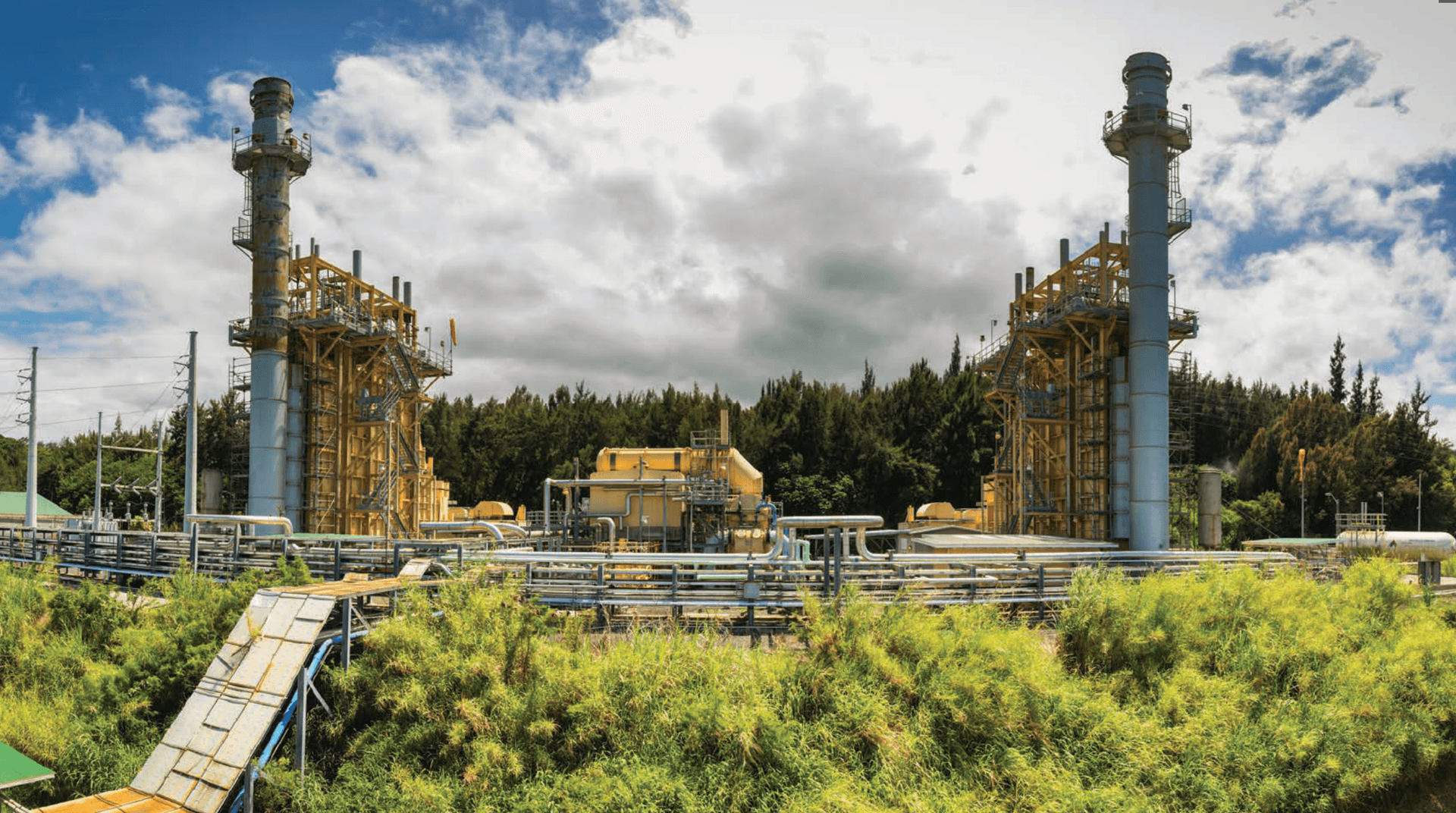
Hāmākua Energy’s own materials show why the meeting matters. The company says its Honokaa facility, at 45-300 Lehua Street and interconnected at Haina Substation, is a 60-megawatt combined-cycle plant and Hawaii Island’s second-largest producer. It has operated since 2000, and company materials say it can now generate up to about one-third of its electricity from renewable fuel. The company also says its future project would pair the plant with a 7.5 MW, 30 MWh battery energy storage system.
For island customers, the key questions are less about corporate branding than about performance. How much of the plant’s output will come from renewable fuel over the next year? Will the battery system help reduce outages or smooth peaks during periods of stress on the grid? And what, if anything, could that mean for rates and planned maintenance on an island where weather, shipping delays and supply-chain breaks can ripple quickly through the power system?

The ownership backdrop adds another layer. In March 2025, reporting said Hawaiian Electric Industries sold the 60-megawatt Hāmākua Energy Plant to a Harbert Management Corp. subsidiary, while earlier reporting in September 2024 said the plant was already using biodiesel for roughly a quarter to a third of its output and was planning a conversion to 100% renewable fuels. Company materials now say the broader project is meant to keep producing the same amount of electricity while shifting fully to renewable fuels.
That goal fits the state’s wider policy direction toward a resilient clean energy economy and a 100% renewable energy target by 2045. For Hawaii Island, the June 30 meeting is a chance to press Hāmākua Energy on whether those ambitions will translate into fewer outages, stronger grid support and a more dependable power supply for the communities that rely on it most.
This article was produced by Prism’s automated news system from verified source data, official records, and press releases, then run through automated quality and moderation checks before publishing. The system is built and supervised by the people who set the standards it runs under. Read our full AI policy.
Did this article answer your question?