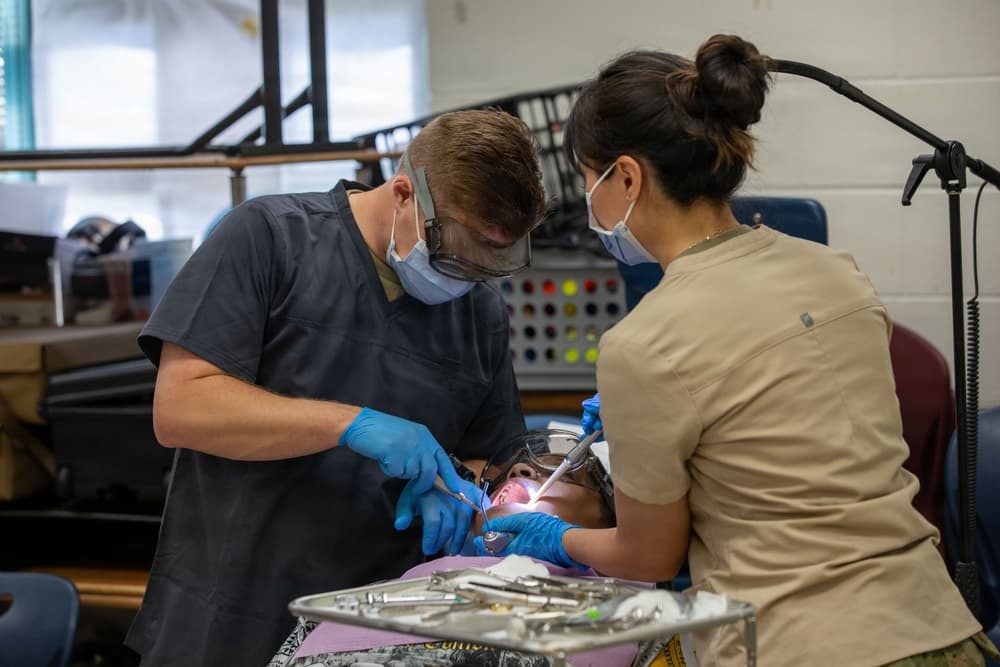
Native Hawaiian Health Scholarship Program Continues Despite Federal Legal Challenge
A mainland lawsuit filed March 30 challenges the scholarship program that recruits Native Hawaiian clinicians for Big Island's rural health deserts.
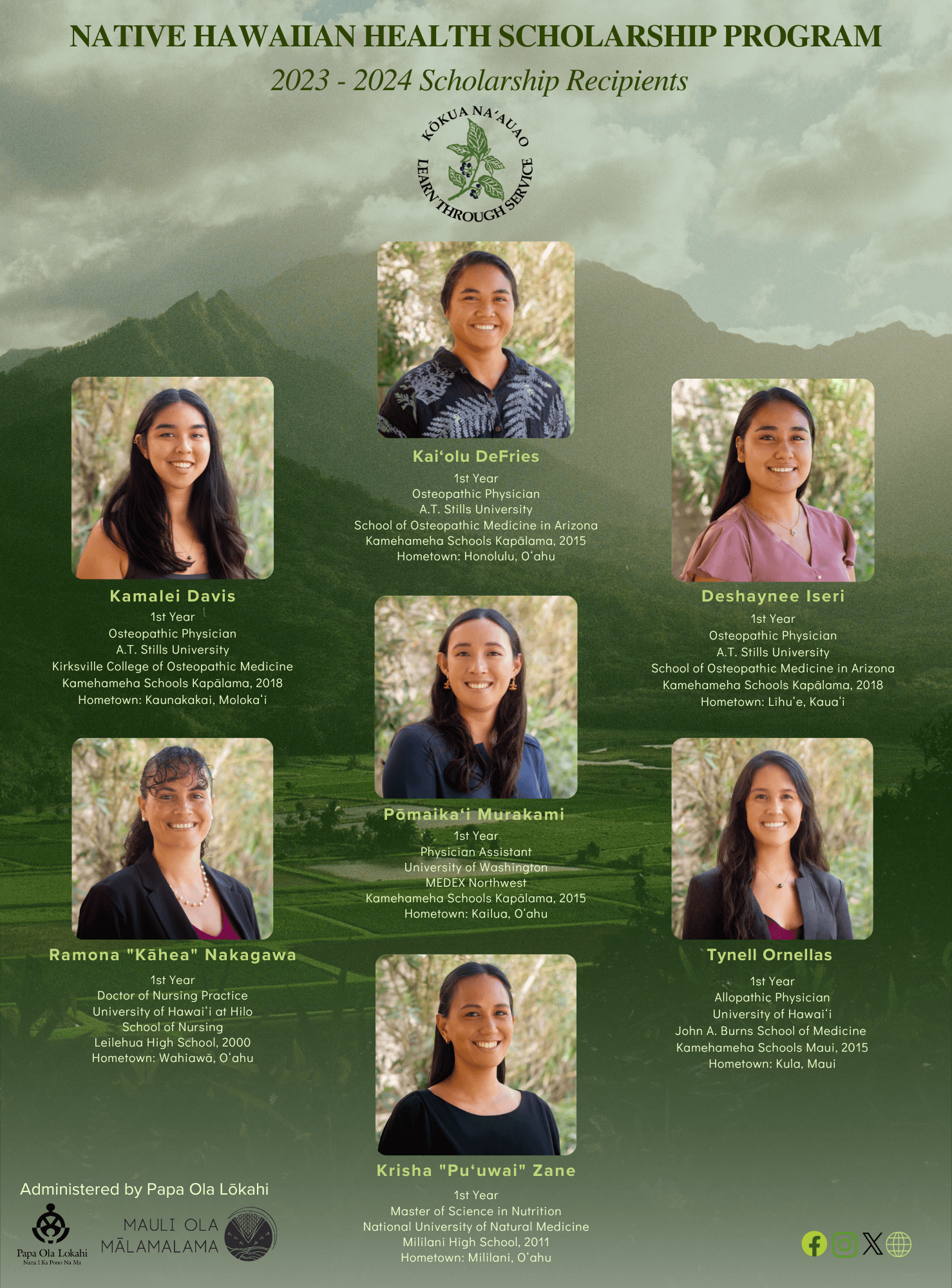
The federal scholarship program that pipelines Native Hawaiian students into the state's most underserved health communities kept processing applicants for the 2026-2027 cycle even after a mainland advocacy organization filed suit to shut it down.
Do No Harm, a national group that targets race-conscious federal programs, filed a federal civil complaint on March 30 against the U.S. Department of Health and Human Services, arguing that the Native Hawaiian Health Scholarship Program's eligibility criteria are unlawfully race-based. The filing did not immediately alter program operations. As of early April, the federal Bureau of Health Workforce and Honolulu-based nonprofit Papa Ola Lōkahi, which co-administer the program, continued moving forward under existing rules.
The scholarship covers students pursuing degrees in nursing, medicine, dentistry, behavioral health and allied health fields. In exchange for financial support, recipients commit to practicing in medically underserved communities in Hawaiʻi after graduation. That service obligation has been the program's central mechanism for placing providers in rural stretches of the Big Island and other parts of the state where clinician shortages are chronic. Federal Health Resources and Services Administration guidance for the current fiscal year continues to detail the application process, service terms and expected outcomes for prospective scholars.
Supporters of the program argue it exists precisely because the problem is specific and documented: Native Hawaiian communities carry disproportionate health burdens, and rural areas across the state face persistent primary care and behavioral health provider gaps. Papa Ola Lōkahi has framed the scholarship as a culturally competent workforce pipeline, not a generic diversity initiative.
Do No Harm's complaint frames the case differently, characterizing the program's criteria as discriminatory and arguing federal law prohibits race-based eligibility for government-funded scholarships. The litigation outcome hinges entirely on judicial review, and no timeline has been established.
For Hawaiʻi Island, the stakes are measurable. A ruling that restructures eligibility or disrupts funding would shrink the pool of targeted incentives drawing Native Hawaiian students toward rural service commitments. Program stakeholders continued outreach to prospective applicants in the current cohort while monitoring court filings, aiming to avoid pipeline disruptions before any final legal determination is reached.
This article was produced by Prism’s automated news system from verified source data, official records, and press releases, then run through automated quality and moderation checks before publishing. The system is built and supervised by the people who set the standards it runs under. Read our full AI policy.
Did this article answer your question?