UH Study Finds Hawaii Farmers Face Elevated Suicide Risk, Urges Support
Hawaii farmers recorded 59 suicide deaths per 100,000 population, the third-highest rate of any occupation in the state, a UH Mānoa study covering a decade of deaths found.
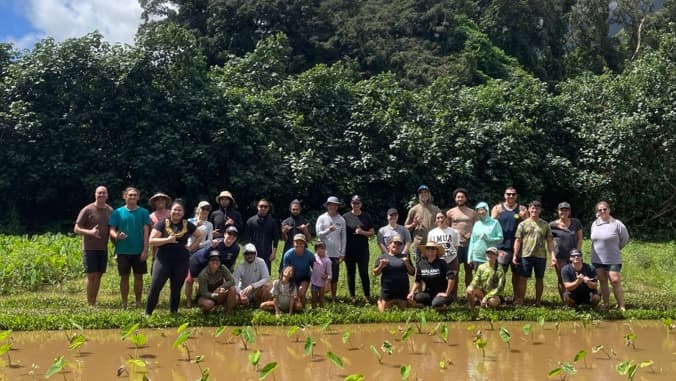
Hawaii's farmers die by suicide at a rate of 59 per 100,000 people, ranking third among all occupations in the state and trailing only carpenters and construction laborers, according to a study released this week by the University of Hawaiʻi at Mānoa's College of Tropical Agriculture and Human Resilience.
The research, led by CTAHR's Thao Le and retired epidemiologist Dan Galanis of the Hawaiʻi State Department of Health Emergency Medical Services and Injury Prevention System Branch, drew on every recorded suicide death in Hawaiʻi between 2013 and 2023. Across those ten years, workers in construction, agriculture, and the arts showed the highest rates statewide, with males under 40 facing the sharpest risk within those groups.
For the Big Island, the findings land with particular weight. Farmers here are consistently exposed to invasive pests, volatile market prices and extreme weather, including the recent back-to-back Kona lows that inundated the state. Beyond the physical destruction of crops and infrastructure, those storms left a trail of mental and emotional exhaustion.
"A farmer's mental health is tied to the health of their land," Le said. "When the 'āina is inundated and the crops and livestock are lost, the emotional toll is immediate and profound. Our farmers are essentially first responders to our food needs, so we need to act as first responders to them now."
The study identified the structural roots of that distress: chronic uncertainty, thin economic margins, limited access to behavioral health services in rural areas, and policy gaps that leave farmers exposed after disasters. Le warned that without concrete intervention, "farmers may feel a sense of moral injury, feeling unsupported and abandoned by the systems purported to support them."
Brian Miyamoto, executive director of the Hawaii Farm Bureau, framed the stakes plainly: "These are the two percent of the population growing the food for the rest of the 98 percent."
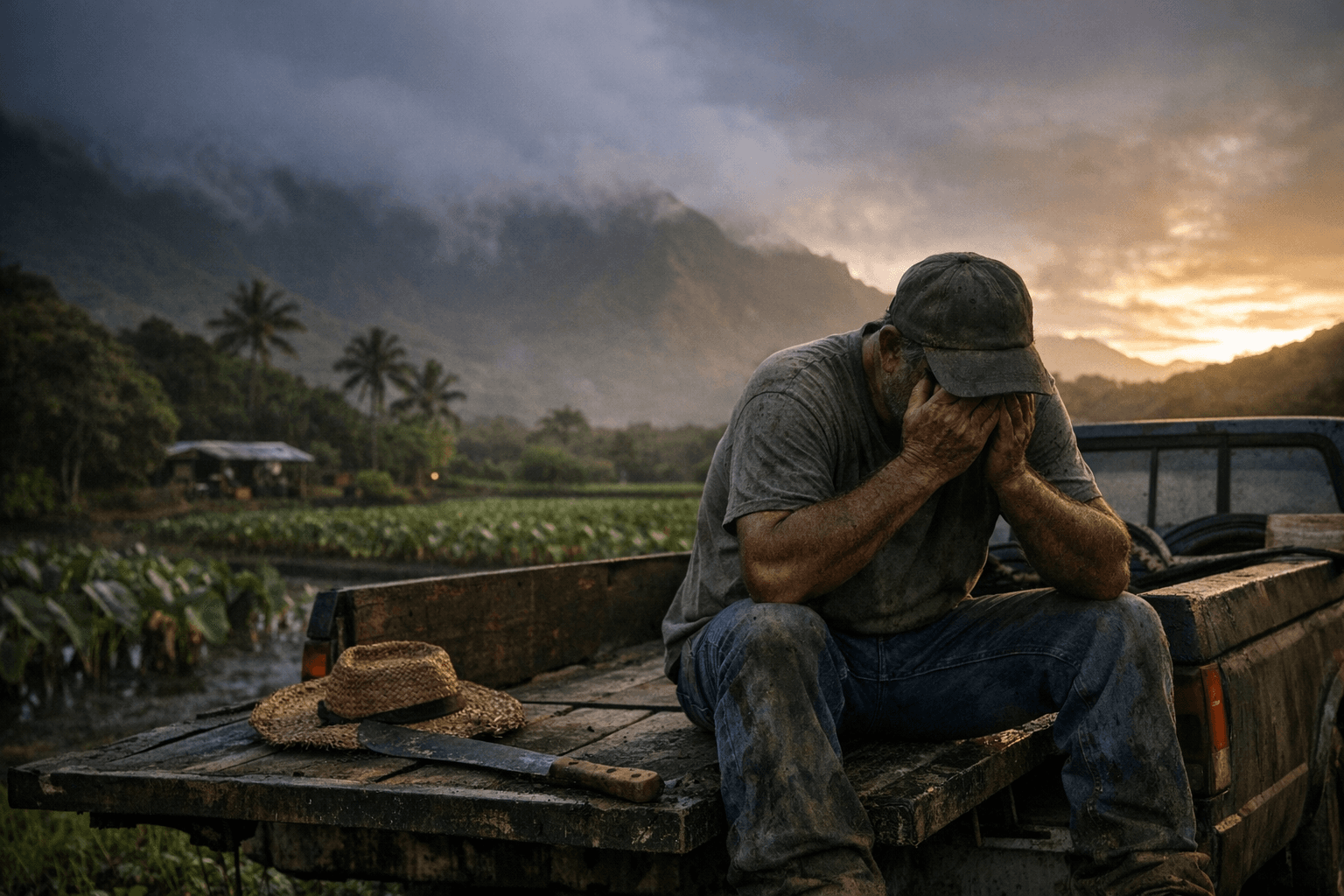
The researchers pointed to the Seeds of Wellbeing (SOW)-CTAHR project as a scalable model for the kind of response the crisis demands. The project aims to prevent suicide risk through a holistic, community-integrated approach that includes a peer mentorship model, 'āina-based modalities, Native Hawaiian contemplative practices, and free mental health vouchers. Planning is underway for a three-day immersive leadership and mental mindset training for agricultural mentors and leaders.
The authors also called for streamlined access to financial aid and temporary housing for displaced farmers following disasters, noting that Hawaiʻi risks losing its agricultural workforce without immediate support. The study revealed how occupational context is associated with suicide risk, particularly in occupations where people experience chronic uncertainty and low control.
For county agencies, extension services, and farm cooperatives on the Big Island, the report amounts to both a diagnosis and a policy blueprint, one that frames the back-to-back Kona lows not only as agricultural emergencies but as triggers of a longer-running public health crisis. The question now is whether relief systems can move fast enough to reach the people working the land before the next storm does.
*If you or someone you know is struggling, contact the 988 Suicide and Crisis Lifeline by calling or texting 988.*
This article was produced by Prism’s automated news system from verified source data, official records, and press releases, then run through automated quality and moderation checks before publishing. The system is built and supervised by the people who set the standards it runs under. Read our full AI policy.
Did this article answer your question?