Solar tax credit changes shake Hawaii industry confidence
Big Island homeowners and installers are bracing for higher electric bills as Hawaii’s solar tax credit phases down, threatening projects, loans and 23 local jobs.

A new round of changes to Hawaii’s solar tax credits has rattled Big Island households and installers just as many residents are trying to lock in rooftop systems to blunt some of the state’s highest electric bills. Gov. Josh Green’s June 12 executive order softened the blow for some 2026 projects, but it left intact a plan to cap the credit at $40 million a year starting in 2027 and end it in 2030.
For Hawaii County homeowners, the timing matters because rooftop solar remains one of the few practical ways to control monthly power costs in a state that depends heavily on imported fuel. SEIA says Hawaii’s strong solar insolation and high electricity prices make rooftop systems a natural fit for island homes, even as utility interconnection constraints continue to complicate installation plans.

The uncertainty is already being felt in Honokaa, where Renewable Energy Services employs 23 people. President Roland Shackelford has been among the local voices warning that the tax-credit shift has changed customer behavior, with homeowners pausing, projects slowing and installers trying to gauge how quickly demand could weaken across the Big Island.
The state law at the center of the disruption, Act 24, was signed on May 21. Industry groups say it cut some credits by roughly 60% to 70% this year and helped put nearly half a billion dollars in solar investment across Hawaii at risk. Rocky Mould of the Hawaii Solar Energy Association called the situation an emergency and pushed for a special legislative session after the bill passed.
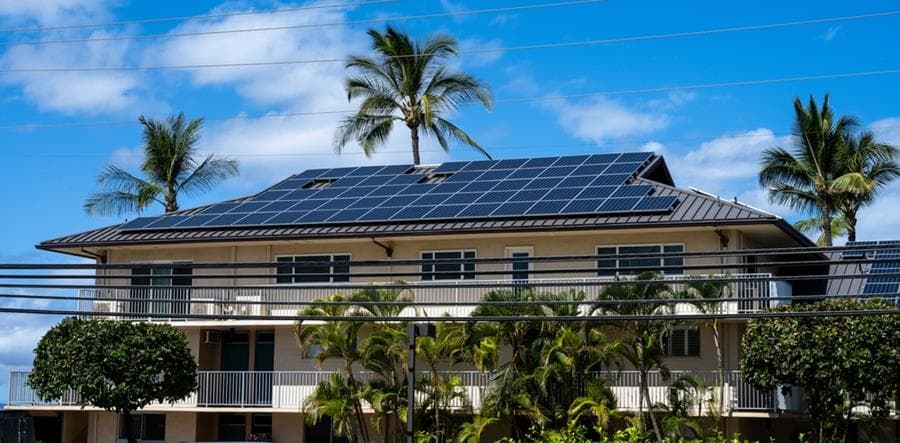
Green’s Executive Order 26-02, issued on June 12, preserved the 2026 renewable energy tax credit for systems placed into service during calendar year 2026 if taxpayers can show they reasonably relied on the old rules before Act 24 became law. The order also shielded those projects from the new annual cap for 2026, but it did not reverse the broader 2027 cap or the 2030 sunset. For Big Island families weighing a rooftop array, the remaining question is not only whether credits survive this year, but whether solar will stay affordable enough to keep monthly bills in check and preserve a local industry built around those savings.
This article was produced by Prism’s automated news system from verified source data, official records, and press releases, then run through automated quality and moderation checks before publishing. The system is built and supervised by the people who set the standards it runs under. Read our full AI policy.
Did this article answer your question?