UH Hilo joins NOAA's new $13.5 million aquaculture institute
UH Hilo’s Keaukaha aquaculture center is joining a five-year NOAA institute backed by $13.5 million in year one, with jobs and seafood supply at stake.
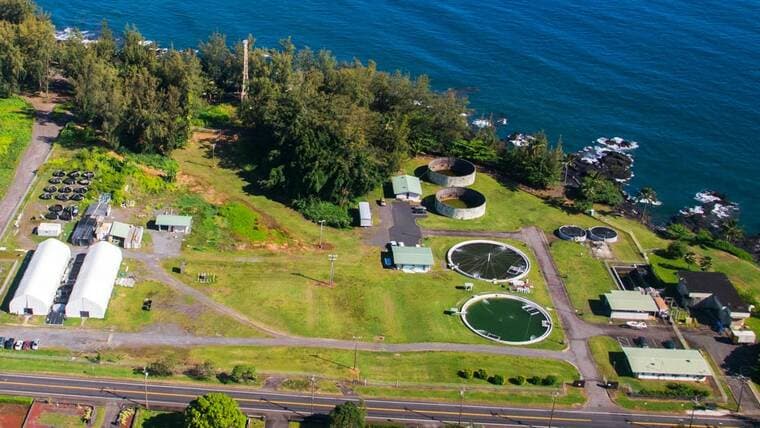
UH Hilo’s role in NOAA’s new aquaculture institute could bring more research dollars, workforce training and eventual seafood production gains to Hawaii Island, with Keaukaha positioned as the island’s local hub. The federal program, backed by an initial $13.5 million this year, is designed to strengthen the U.S. seafood supply, and UH Hilo is now one of the core institutions helping push that effort forward.
NOAA announced the Cooperative Institute Fostering Aquaculture Research and Markets, or CIFARM, as a five-year effort led by the University of New Hampshire. UH is one of five core consortium members, alongside partners that include the University of Miami, University of Southern Mississippi and Hubbs-Sea World Research Institute, with Sea Grant affiliates in several states also involved. NOAA said the institute will focus on marine aquaculture demonstration projects, engineering and technology development, artificial intelligence for aquaculture, environmental observations and forecasting, risk management and vulnerability analysis, and seafood markets research.
The stakes extend well beyond campus. NOAA said Americans eat $24.2 billion in imported seafood each year, and about half of that is estimated to be farmed in other countries. That leaves room for domestic producers, including Hawaii growers, if the new research helps lower costs, improve reliability and scale production in a way that can compete with imports.

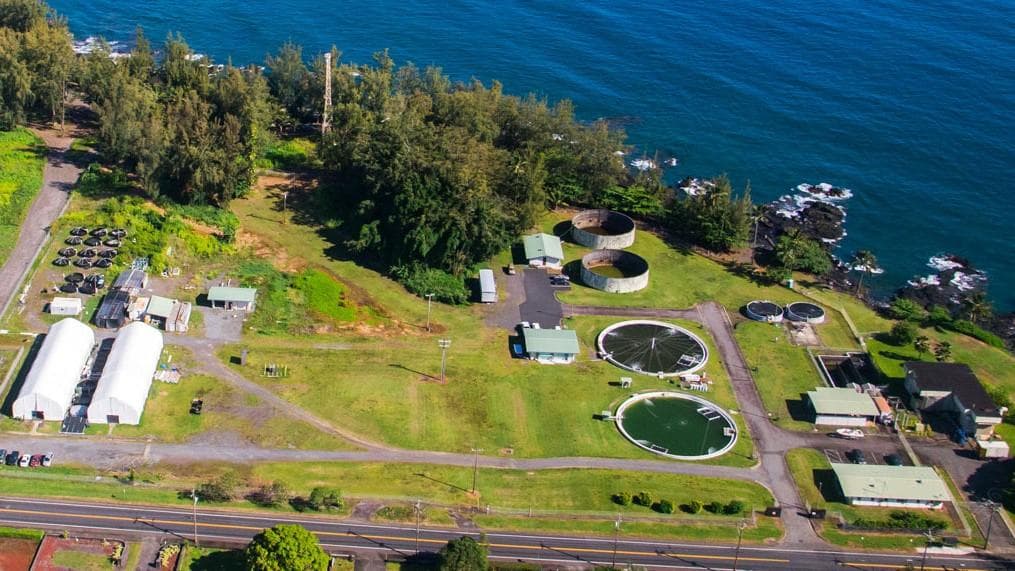
On Hawaii Island, the work will run through the Pacific Aquaculture and Coastal Resources Center in Keaukaha. UH Hilo says the center was created 27 years ago, when the university converted a former county wastewater treatment plant into a marine and aquaculture research lab. It now houses the largest aquaculture workforce training program in Hawaii, making it one of the most direct pathways from research to jobs for Big Island residents entering the sector.
Chatham Callan is leading the UH team from PACRC, joined by Maria Haws, Erik Franklin, Darren Okimoto and other faculty partners. Callan came to UH Hilo in 2023 after more than 15 years at Hawaii Pacific University and the Oceanic Institute’s Finfish Program. His research has focused on developing rearing methods for Hawaiian reef fish for the aquarium trade and local fishing industries, work aimed at reducing pressure on wild-caught fish populations by making more species commercially viable in aquaculture.
The broader state numbers show why this matters. Hawaii aquaculture sales rose from $58.6 million in 2013 to $78.4 million in 2018, then slipped to $65.2 million in 2023. The number of farms stayed relatively steady, between 45 and 49 over the past decade, suggesting an industry that has not expanded rapidly but remains economically important. In 2023, the biggest sales categories were $23 million in prawn and shrimp, $9.2 million in food fish and $2.2 million in Pacific oysters.
For Big Island producers, the question now is whether CIFARM can turn federal money into practical gains, from new species-rearing methods to better forecasting and market research. If it does, Keaukaha could become even more central to Hawaii Island’s role in a more resilient domestic seafood economy.
This article was produced by Prism’s automated news system from verified source data, official records, and press releases, then run through automated quality and moderation checks before publishing. The system is built and supervised by the people who set the standards it runs under. Read our full AI policy.
Did this article answer your question?