UH study links Big Island flooding to tropical weather pattern
A UH study says a 30-to-60-day tropical pulse helped fuel March flooding on Hawaiʻi Island. Forecasters may gain earlier warning for Kaʻū, Puna and other flood-prone areas.
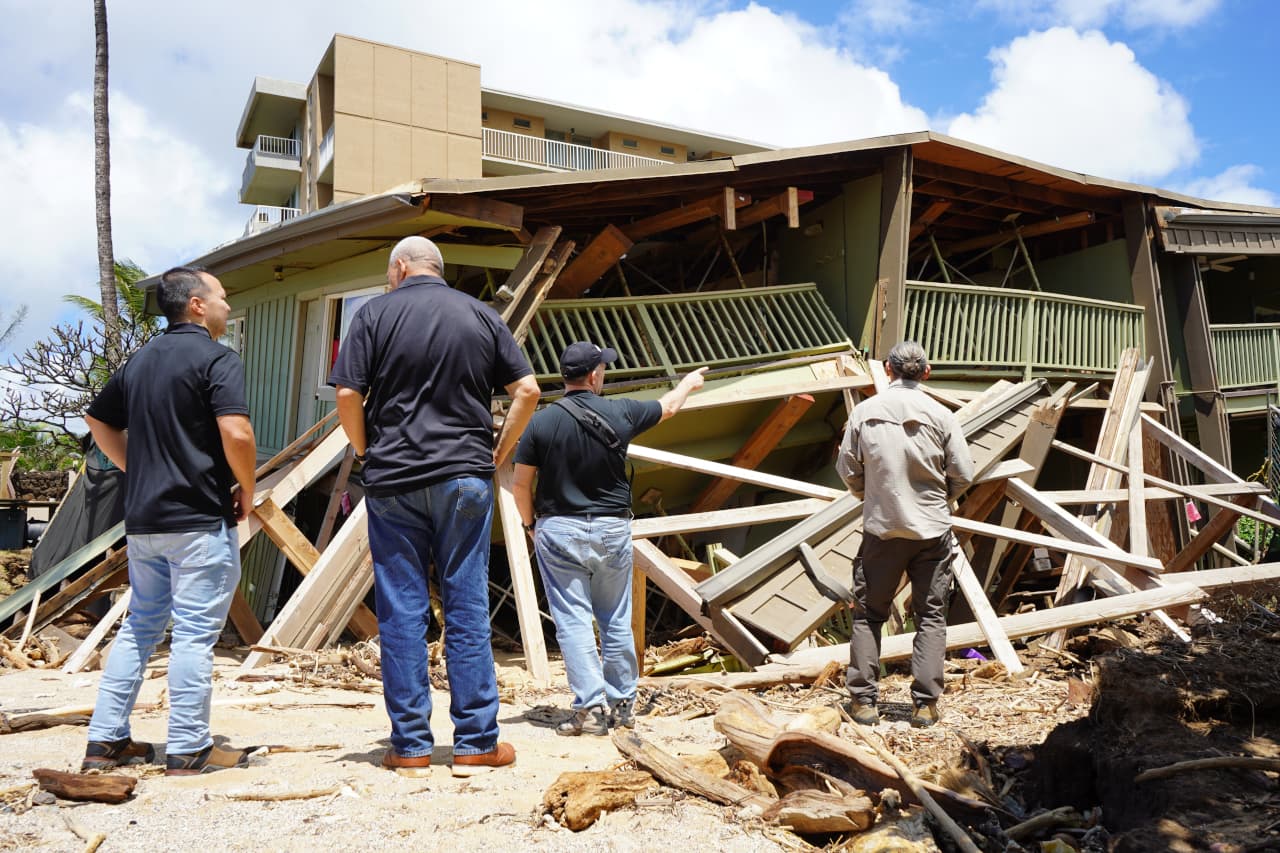
Recent flooding on Hawaiʻi Island may not have been random at all. A University of Hawaiʻi study is tying the heavy rain to the Madden-Julian Oscillation, a tropical weather pattern that moves east every 30 to 60 days and can sharply increase rainfall when it turns active.
The study, led by Audrey Nash, a doctoral candidate in atmospheric sciences at UH Mānoa, and co-authored by Giuseppe Torri, found that active MJO phases are linked to wetter conditions across Hawaiʻi, especially on windward slopes. The researchers used long-term, high-resolution rainfall and atmospheric data, including records from the Hawaiʻi Climate Data Portal, and said the pattern also brings cooler temperatures, higher humidity and stronger northeasterly winds. Suppressed phases, by contrast, tend to be drier.
That matters on Hawaiʻi Island because the recent storm sequence hit the county hard. The National Weather Service Honolulu Forecast Office said the severe weather period began March 10, 2026, after back-to-back low pressure systems and upper-level disturbances combined with deep tropical moisture. Moderate to heavy rain fell almost every day somewhere in Hawaiʻi through March 24, and the island’s steep slopes, stream drainages, low-lying neighborhoods and windward areas were among the places most exposed to rapid runoff.
NASA’s Applied Sciences and Disasters Program said the flooding prompted a Governor’s Emergency Proclamation, hundreds of rescues, medical facility closures and highway disruptions. UH’s Hawaiʻi Mesonet recorded a 135.4 mph wind gust on Hawaiʻi Island during the storm period, underscoring how violent the weather became. By April 10, Hawaiʻi County Civil Defense was still warning that flooding remained a concern, especially in Kaʻū and Puna.
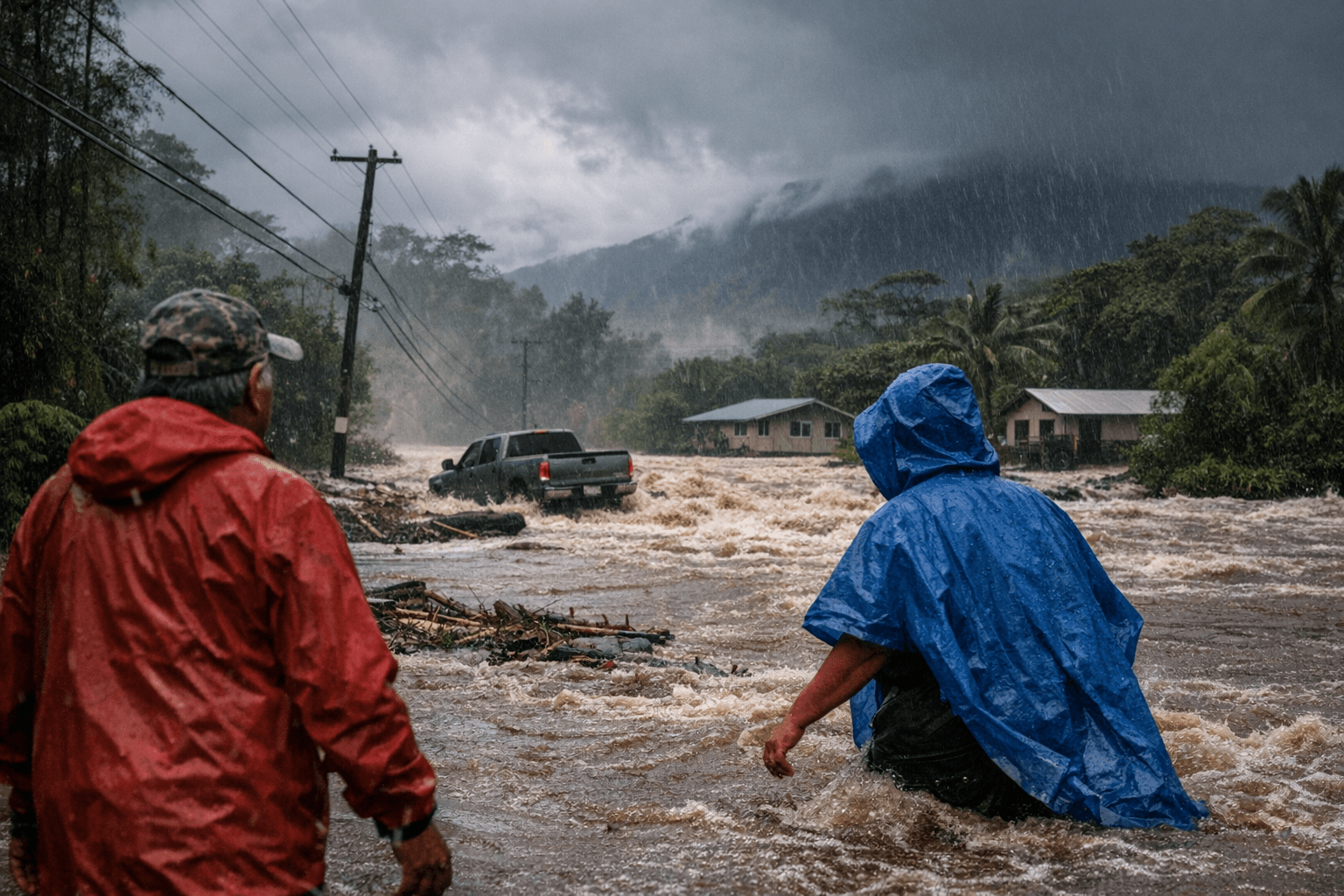
Forecasters and emergency managers are now looking at the MJO as more than an academic term. If an active phase can be tracked before it reaches the islands, it could add lead time and confidence for schools, road crews, farmers and county responders deciding when to clear ditches, move equipment or prepare for closures. In a county where one rain event can cut off roads and damage crops, even a modest improvement in prediction has real value.
FEMA announced federal disaster assistance for Hawaiʻi on April 15, 2026, following the March kona low storms that affected Hawaiʻi County, Honolulu County and Maui County. For Big Island residents still dealing with the aftereffects, the question is practical and immediate: whether science can turn a destructive rain cycle into a better warning for the next one.
This article was produced by Prism’s automated news system from verified source data, official records, and press releases, then run through automated quality and moderation checks before publishing. The system is built and supervised by the people who set the standards it runs under. Read our full AI policy.
Did this article answer your question?